
How to Choose Wax Based on Snow Humidity Levels
Understanding snow humidity levels is crucial for optimal ski performance. Ski waxing enhances glide, increases speed, and improves overall handling on the slopes. Humidity affects snow grain structure, which in turn influences wax selection. When skiing, the moisture content in the snow can directly alter how wax performs. For very dry conditions, a harder, low-humidity wax is generally favorable, as it minimizes the moisture absorbed. Conversely, in wet and humid snow conditions, choosing a softer, more flexible wax is beneficial because it grips better without clumping. Moreover, when selecting your ski wax, consider the temperatures paired with these humidity levels as they can also affect the hardness of the snow. Therefore, checking a reliable forecast helps to decide the best type of wax. Make periodic adjustments as conditions can rapidly change throughout the day. It’s also practical to carry a selection of waxes so you can adapt during your ski outing. Finally, your timing when applying the wax is integral to achieving the perfect glide, making it essential to tailor your choices based on current snow conditions.
Waxing skis according to humidity requires knowledge of specific moisture conditions. Tools such as a hydrometer can be employed to determine the snow’s moisture content. The temperature can also affect how snow feels: warmer conditions generally lead to wetter snow. A common guideline is to use moisture%, where below 20% requires a harder wax. In contrast, 20%–50% necessitates a medium wax, while above 50% calls for a softer wax. One of the preferable products for low humidity is a fluorinated wax; it performs well under drier conditions. Collectively, a series of tests and practical experience will guide you to your preferred wax. It might differ from one weather condition to another. Observe varying results after multiple runs, and make adjustments as required. When the snow begins to transform from powdery to wet, transitioning your wax choice becomes imperative. Knowing your skis’ specific wax choice can significantly impact your skiing experience, such as speed, glide, and maneuverability. This means every skier should be proactive about maintaining knowledge of snow conditions and adjusting accordingly.
Factors in Choosing the Right Wax
There are several factors that impact which ski wax is the most beneficial for your conditions. In addition to humidity, temperature should also be considered. Cold snow in dry conditions may solidify more than soft snow seen in humid conditions. Additionally, the type of snow can dictate which wax you choose. For example, wet snow often requires a softer wax compared to powdery snow. Furthermore, if it’s icy, a specific hard wax might be the best choice. Always remember to consider the general snow quality when making your selection. Applying the proper wax can improve your skis’ response and performance. Every skier aspires to have great control on the slopes, which requires the right tools and conditions to achieve such. Do not underestimate the testing and experimentation required to find your best wax. Often, it helps to ask fellow skiers what worked for them in specific conditions, gaining insight that can be invaluable. Trust the collective knowledge of your skiing community, as well. In this journey, be prepared to test multiple times until you arrive at that perfect combination of expectations and performance.
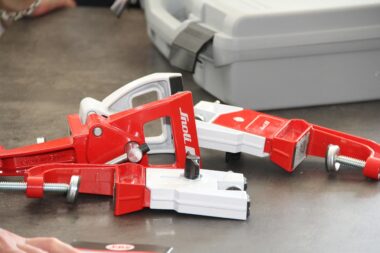
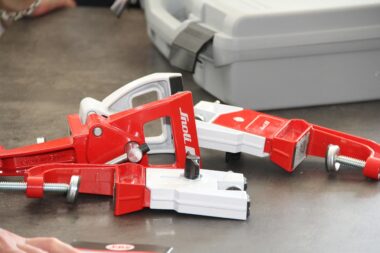
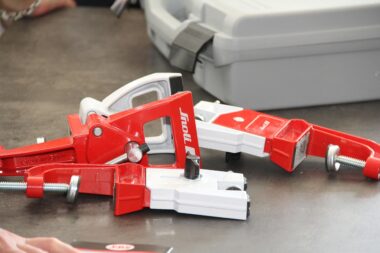
It is important to maintain your skis in relation to the wax chosen based on humidity levels. Regular cleaning and proper waxing helps to prolong the durability of your skis. Removing old wax work, especially after wet snow conditions, allows the new wax to penetrate better. Use a ski-specific scraper or cloth for this purpose. The goal is a clean base to promote adherence to the newly applied wax. A gentle structure can be added to the base, improving performance under specific conditions. Make sure that when applying wax, don’t rush the iron process; allow the wax enough time to melt fully into the ski base. Temperature calibration is essential while waxing. The wax should be heated just enough to become liquid; overheating could damage the base. Continuous upkeep is equally crucial to maintain the integrity of your skis throughout the season. Wind down towards the end of the day by inspecting the skis for any excessive wear or damage. A well-maintained ski is not only more enjoyable to ride but also safer. Treat your equipment well, ensuring optimal performance each time you hit the slopes.
Testing Your Wax Choice
Once you’ve chosen your wax, it’s essential to conduct on-slope tests to see how well it performs. The initial runs on freshly waxed skis give insight into the glide and responsiveness. Take note of how the skis feel on various terrains, especially transitions from flat to steeper runs. If you notice drag or sluggishness, it’s likely time to reevaluate your wax choice. Moreover, pay attention to the weather changes as they can significantly affect snow conditions. If you don’t notice any improvement, consider changing to a different wax better suited for current humidity levels. There’s also the option of mixing waxes for varied conditions. Sometimes, blending a harder and softer wax can cater to varying levels of snow density. Always carry a small repair kit and additional wax in your pack. You never know when you’ll need to touch up or reapply. Document your experiences; note which combinations work best for what conditions. Over time, you will develop a keen intuition regarding when to adjust. Being proactive can lead to enhanced skiing experiences, ensuring you make the most of every day on the mountain.
Another crucial aspect of ski maintenance concerning humidity levels involves storage. Proper storage extends the life of your wax and keeps your skis in optimal condition. Allow your skis to fully cool down after skiing before placing them away. This prevents any remaining heat from affecting the wax application. Consider placing them in a dry location out of direct sunlight. Storing your skis in a damp environment leads to diminished wax performance, leading to poor rides. When transitioning between ski seasons, remember to re-wax your skis as they age over time. Store unused wax in a cool, dark place, shielded from temperature fluctuations. This ensures that you can depend on its performance whenever needed, regardless of the season. Furthermore, reflect on the results from earlier experiences; learning from past mistakes can equally be advantageous. Apply these insights to how you decide on storage techniques, ensuring that you cater to your ski equipment meticulously. Taking the time to ensure that you properly wax and store your skis results in a far superior experience on the slopes.
Conclusion
Choosing the right wax for your skis based on humidity is an essential skill every skier must master. Whether you are a competitive racer or a casual skier, understanding how weather conditions affect snow humidity ensures you perform your best. Additionally, being adaptive in your approach enables you to enjoy the slopes to their fullest potential. Familiarize yourself with emotional skiing techniques and various waxing options equipped for different snow states. Ultimately, the ability to evaluate conditions combined with practical ski maintenance results not only in improved performance but also in greater overall enjoyment of your time spent on the mountain. Invest time learning about various products available in the market; personal research can lead to discovering wax brands that align with your skiing style and local conditions. Setting up a consistent waxing routine will also make adjustments more intuitive as you gain experience. Each skiing day can bring unique challenges, so preparing adequately is key. Combining knowledge, practice, and a touch of intuition will ensure the happiest days on the slopes. Enjoy the winter season and the thrills it brings on your skis!
This is another paragraph with exactly 190 words…