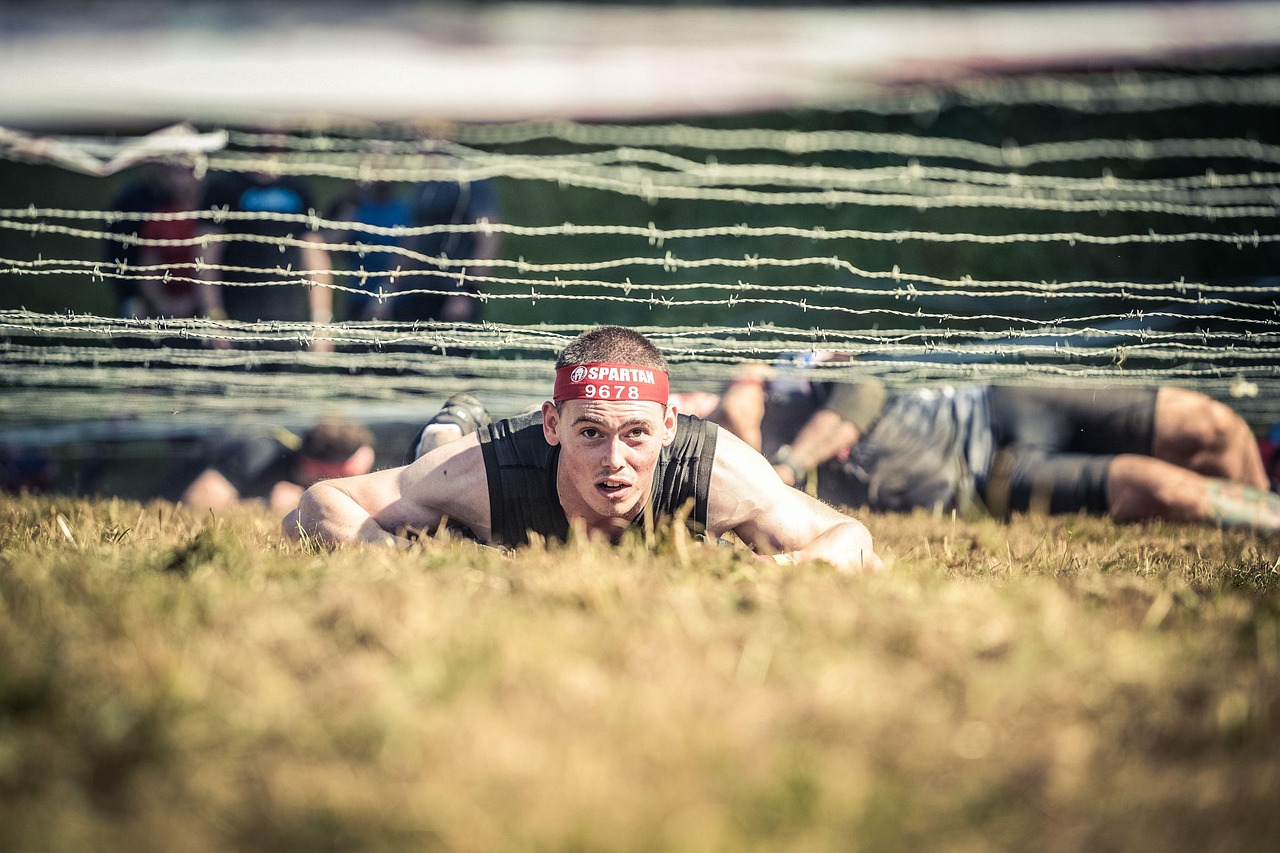

Interview with OCR Champions Who Balance Full-Time Jobs
Obstacle Course Racing (OCR) has gained significant popularity as a thrilling sport combining athleticism, endurance, and mental grit. Among OCR champions, there are numerous individuals who manage not only to succeed in competitions but also juggle demanding full-time careers. These athletes exemplify the spirit of determination and resilience. Their stories inspire many who wish to embrace both professional and athletic aspirations. The art of balancing work commitments with training is no small feat; it requires meticulous planning and unyielding dedication. Understanding how these champions navigate their daily lives can provide valuable insights into effective time management and prioritizing health. Each individual’s journey is unique, shaped by personal goals, work environments, and family responsibilities. As more individuals explore OCR, the need for role models who embody this balance becomes increasingly essential. Their experiences can motivate newcomers to join the sport, emphasizing that pursuing passions can harmoniously coexist with professional obligations. This interview series aims to shine a light on these remarkable individuals and share essential lessons learned in the process. Each champion’s perspective holds keys to overcoming obstacles and achieving balance.
Our first champion, Jessica, shares her unique approach. Working as a marketing manager, she manages her time meticulously. Jessica outlines her training regimen around her work hours and utilizes her lunch breaks for short workouts. By choosing to focus on high-intensity interval training (HIIT), she maximizes her energy levels while fitting in essential cardio. Beyond gym sessions, Jessica also emphasizes the importance of rest and nutrition to recover effectively. Preparing healthy meals in advance helps her maintain optimal performance in both work and racing. She believes that mental preparation is just as crucial; visualization techniques aid her performance during races. Jessica also highlights the role of community support. Engaging in social runs and team training fosters motivation and camaraderie. This network is invaluable when balancing professional life and OCR dedication. In her interview, Jessica emphasizes the importance of not compromising on family time as well. She includes loved ones in her training, making it a shared experience that strengthens their bonds. For anyone looking to achieve a similar balance, her story proves that structured planning and the right mindset can lead to success.
Next up is Mark, a software engineer who competes at a high level in OCR. His journey began with a desire for a healthy lifestyle after a sedentary job. Mark reveals how he transitioned from being inactive to training for challenging races. One of his most noteworthy strategies involves integrating physical activity into his daily routine. For example, he opts for biking to work instead of driving, managing to incorporate endurance training seamlessly. Mark also discusses the importance of flexible work arrangements. His employer encourages a culture of wellness, allowing him to adjust hours to accommodate his training schedule when necessary. This adaptability is essential for those aspiring to compete at higher levels. Mark also leverages technology to track his progress. Apps that monitor his fitness levels and nutrition help him stay accountable and on track. Coaches and training plans customized to his goals aid significantly. Mark’s approach showcases that with a supportive employer and a determination to stay fit, the challenges of balancing a full-time job with OCR can be navigated successfully. By making small changes, anyone can work towards a healthier lifestyle while pursuing their goals.
Insights from OCR Champions
Our third champion, Sarah, brings a distinct perspective from her career as a nurse. The demanding hours of her profession make time management critical for her success in OCR. Sarah explains that health is always a priority, especially in her line of work. Consequently, she has learned to optimize her training sessions, focusing on quality rather than quantity. Limited time means she prioritizes strength workouts that build functional endurance. The key, Sarah mentions, is to listen to your body and respect its limits; this is vital for injury prevention, especially when training intensively. She also discusses the importance of mental resilience in both her profession and her OCR pursuits. Integrating relaxation techniques, such as meditation, helps her manage stress effectively. Sarah emphasizes involving family in her OCR journey, as they provide support during the most challenging times. Cooking nutritious meals together and participating in family training sessions allows for greater bonding. In her view, maintaining a positive mindset coupled with support from loved ones is a game changer for anyone trying to balance work and OCR.
Another champion, Brian, who works in finance, shares a different experience while balancing OCR and his career. Many perceive finance jobs as rigid; however, Brian finds creativity in managing his schedule. He dedicates mornings to training sessions at local parks, utilizing the weekends for longer races and adventures. His advice revolves around prioritizing workouts like the OCR obstacles themselves—one at a time. Brian emphasizes that setting achievable goals allows for a sense of accomplishment, which fuels motivation. This attitude promotes consistency in both OCR and his career, allowing him to thrive in both areas. Time blocking is a technique Brian uses to deep-dive into focused training. He uses mobile apps to set reminders and track progress, ensuring no essential aspect is overlooked. Brian also advocates for accountability partners—training buddies who check in and push towards challenge agreements. Maintaining a social aspect to exercise makes the journey enjoyable and more sustainable. Through Brian’s lens, it’s clear that with creativity and planning, even the busiest professional can integrate OCR activities into daily routines without compromising their career aspirations.
Conclusion: Embracing the Journey
In conclusion, these interviews with OCR champions demonstrating their ability to balance demanding careers serve as a beacon of inspiration for many. The discussions highlight that dedication to sports and professional endeavors need not be mutually exclusive. Strategies like proper planning, robust support systems, and prioritizing one’s health pave the way toward achieving remarkable feats. Each champion has showcased different approaches tailored to their busy lives, offering valuable lessons for those seeking a similar balance. Whether it’s maximizing lunch breaks, utilizing supportive workplace policies, or opting for creative training methods, there are always pathways for success. It’s essential to motivate oneself and find joy in the process; every small victory counts. As OCR continues to evolve as an exciting sport, it’s vital to inspire newcomers through the stories shared by these champions. They emphasize that with commitment, anyone can achieve great things regardless of professional obligations. The journey may come with ups and downs; however, perseverance ultimately leads to greater rewards. For many aspiring OCR enthusiasts, these champions embody the belief that dedication, hard work, and passion can create a fulfilling lifestyle.
These interviews not only celebrate the achievements of OCR champions but also encourage the continuous evolution of the sport. It’s important to recognize the diverse backgrounds these athletes come from, as well as the challenges they face outside of racing. The stories shared demonstrate that everyone has obstacles to overcome, but with determination and smart strategies, tremendous accomplishments in OCR and professional lives are achievable. The insights gleaned from these interviews provide valuable templates that many can adapt to their lives. By fostering a community around OCR, the sport can grow in participation and competitive levels. Future champions will undoubtedly take inspiration from these trailblazers and realize they too can pursue their passions while maintaining successful careers. As such, these narratives are essential not just for motivation but also for setting the standard of innovation in relationships between professional and sporting lives. With increasing awareness, OCR can become a more inclusive and accessible sport for all. This exploration into the lives of full-time working champions showcases life-defining moments everyone can learn from, paving the way for a new generation.
As we close this series, let’s reflect on the broader message conveyed through the champions’ experiences. Balancing a full-time job with OCR is a complex journey that requires dedication, adaptability, and passion. The lessons learned from each interview act as a guide for aspiring athletes who struggle to find the right balance. The champions remind us that clarity in personal goals, coupled with engaging community support, creates the perfect backdrop for successful endeavors. As these OCR athletes demonstrate, the pursuit of excellence in sports and careers is a path filled with growth, resilience, and teamwork. The value of time management cannot be overstated, as it directly impacts performance in both work and sport. The future of OCR lies not just in competition but in sharing knowledge among diverse individuals who participate in the sport. Each story highlighted contributes to the collective narrative of OCR, reinforcing that those who dare to chase their dreams, no matter the obstacles, are the true champions. In parting, this journey encourages everyone to challenge themselves and find their paths forward, knowing that they are never alone in their struggle.