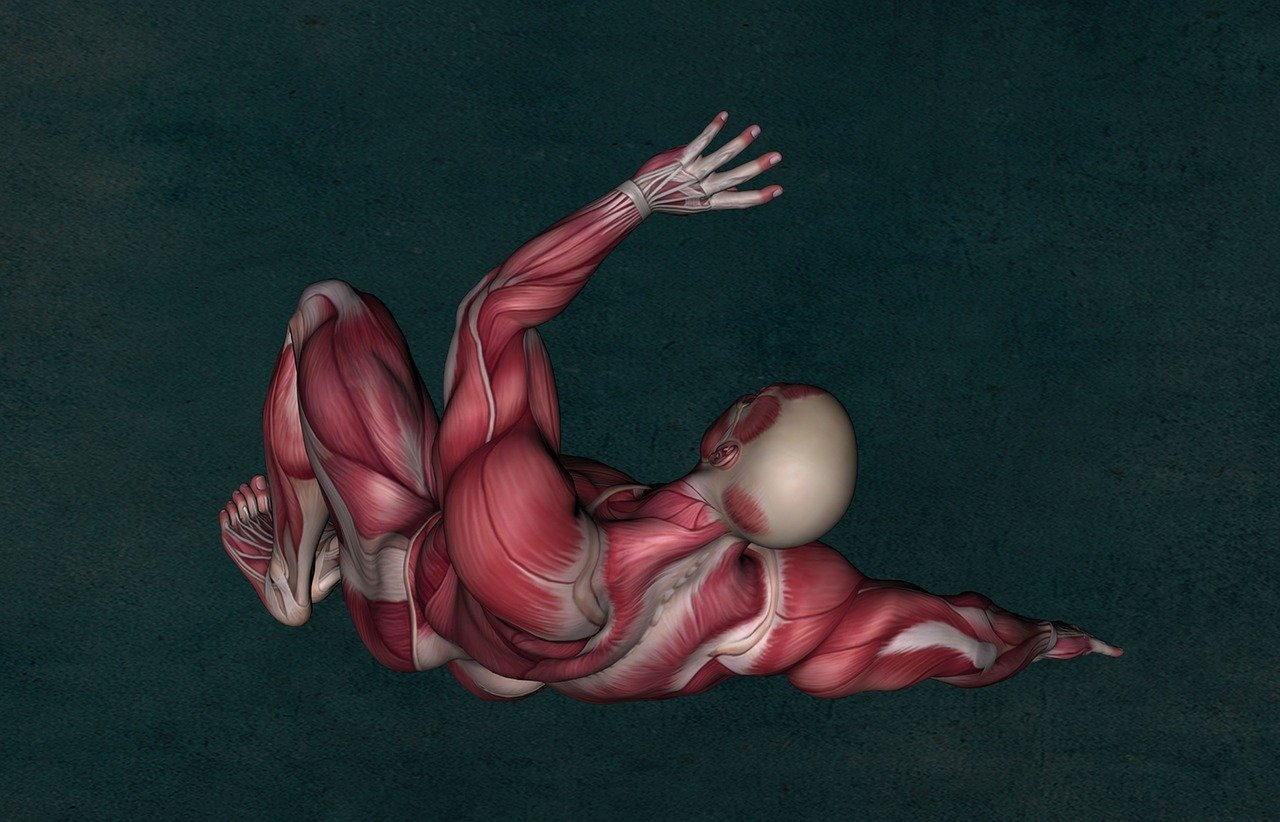

The Effect of Muscle Contraction Types on Movement Kinematics
Muscle contractions play a crucial role in biomechanical movements, influencing how we perform various physical activities. Understanding the distinction between the types of muscle contractions, specifically isometric, concentric, and eccentric, is essential to comprehend their effects on kinematics. Isometric contractions occur when muscles exert force without changing length, contributing to stability during movement. Conversely, concentric contractions involve muscle shortening, generating force while moving a load upward. Eccentric contractions, on the other hand, elongate muscles while they develop tension, often occurring during controlled lowering of weights. The interplay of these contraction types significantly affects joint angles and overall movement efficiency. Research indicates that varying contraction types can influence kinematic parameters like velocity, acceleration, and trajectory. Consequently, athletes and trainers often focus on employing diverse training regimens to enhance performance. The strategic incorporation of these contractions into training can help optimize athletic techniques, improve endurance, and reduce injury risk. For instance, a balanced routine addressing all contraction types may lead to better functional outcomes compared to focusing solely on one area. This comprehensive approach is key for athletes aiming to achieve peak performance and understand their unique biomechanics.
The Role of Kinematics in Biomechanics
Kinematics, a subfield of biomechanics, studies the motion of bodies without considering the forces causing that motion. This discipline is pivotal in understanding human movement, particularly when analyzing athletic performance and rehabilitation. It provides valuable insights into how muscle contraction types impact movement kinematics. By assessing parameters such as displacement, velocity, and acceleration, kinematics enables a systematic interpretation of movement patterns. For example, athletes can benefit from kinematic analysis by evaluating their technique. Improved understanding aids in refining skills necessary for success in various sports. Furthermore, the integration of technology, such as motion capture systems, allows for precise kinematic measurements that help illustrate the effects of different muscle contractions on performance. Utilizing such innovative tools provides quantitative data essential for enhancing physical activity outcomes. Trainers often utilize kinematic data to assess an athlete’s technique. By comparing various muscle contraction strategies, adjustments can be made to optimize performance. This analysis is crucial not only in sports but also in rehabilitation settings, where understanding motion mechanics can significantly improve recovery protocols. Kinematics lays the foundation for developing effective training programs that address individual needs and biomechanics.
In recognizing the impact of various muscle contractions on kinematics, it is imperative to explore how each type influences specific actions. During a squat, for instance, the concentric contraction occurs as a person rises, while eccentric contractions play a role when lowering into the squat position. Understanding these interactions highlights the importance of contraction types in optimizing movement efficiency, and reducing the risk of injury. Practitioners often guide athletes to focus on both eccentric and concentric work during strength training to enhance performance. Integrating these contractions helps balance muscle development and minimizes imbalances that could lead to injuries. Additionally, these principles apply to daily activities, where a lack of balance in muscle engagement can lead to suboptimal movement patterns. Such insights reiterate the significance of targeted training to cultivate proper biomechanics over time. Athletes who are well-versed in their muscle contraction strategies often display superior kinematic abilities. Consequently, trainers and athletes strive to find the optimal blend of training stimuli, ensuring these contractions are sufficiently addressed in their routines. A comprehensive training regimen ultimately fosters athletic growth and contributes to better overall movement mechanics.
Biomechanical Analysis of Muscle Contraction Types
Biomechanical analysis involves evaluating the effects of muscle contractions on kinematic factors. Focusing on the intricate relationship between these elements sheds light on how they impact overall performance. Various techniques are employed for biomechanical assessments, such as force plates and motion analysis systems. These tools provide quantitative insight into how specific contractions influence movement. Research has shown that eccentric contractions can produce greater force than concentric ones, significantly affecting how athletes perform. By analyzing joint angles and motion patterns, researchers can ascertain the effectiveness of different contraction strategies. For instance, in a jump-landing scenario, the preferred combination of eccentric and concentric contractions can dictate landing efficiency and injury risk. Educating athletes about their individual biomechanics can empower them to make informed decisions regarding technique adjustments. Moreover, the understanding gained from such analyses aids in the development of specialized training regimens. This tailored approach can lead to enhanced performance and injury prevention, as proper biomechanics are crucial for longevity in sports. Continually assessing biomechanics through regular analysis and adjustments allows individuals to adapt to their evolving needs and objectives over time.
The integration of technology in assessing muscle contractions allows greater precision and understanding of kinematic effects. Athletes can benefit from this detailed examination of their movements, which reveals crucial insights into performance-enhancing strategies. With advancements in biomechanics, apps and devices can now track kinematic data in real time, facilitating timely adjustments to training routines. Such technology aids athletes in identifying strengths and weaknesses in their techniques, enabling targeted improvements. Additionally, coaches can use this data to customize workouts that align with an athlete’s specific contraction profiles and kinematic goals. The continuous monitoring of muscle contractions and their kinematic implications fosters a proactive approach to training. This adaptation cultivates an environment where athletes can maximize performance while minimizing the risk of injury. Moreover, understanding the demands of different contraction types can lead to more efficient recovery strategies. Athletes employing proper recovery post-activity can further improve their long-term kinematics. Collaborative research into muscle contractions and movement science continues to evolve and deepen, ultimately providing new insights that can revolutionize training methodologies and athlete outcomes. Empowering individuals with knowledge about their biomechanics will ultimately drive superior performance and longevity.
Training Applications of Muscle Contraction Science
The knowledge gained from understanding muscle contraction types and their effects on movement kinematics leads to practical training applications. Athletes today are encouraged to integrate various contraction strategies into their training regimens. This implementation helps develop well-rounded physical capabilities and improves overall movement quality. Trainers often include exercises like plyometrics and weightlifting, focusing on eccentric and concentric phases contributing to enhanced performance. By emphasizing these contraction types, athletes can bolster their kinetic chain, improving strength production, and power generation. Comprehensive training programs that balance eccentric and concentric efforts can also reduce injury rates related to muscle strains. For instance, sports requiring sudden changes in direction greatly benefit from strength training that emphasizes dynamic eccentric movements. Such training allows the body to manage forces during unpredictable motions effectively. Athletes who are adept at engaging various contraction types exhibit superior agility and responsiveness in competition. Additionally, tailoring exercises to an individual’s specific needs ensures that athletes maximize their potential while minimizing the risk of overtraining. Thus, understanding these biomechanics allows the structuring of programs aimed at achieving optimum athletic performance.
The synthesis of knowledge regarding muscle contraction types and their kinematic impacts facilitates enhanced athletic performance. For aspiring athletes and coaches, understanding these principles is essential to developing effective training programs. This awareness helps create an environment where athletes can thrive, constantly evolving their techniques and refining their biomechanics. An effective program must consider the frequency and intensity of different contraction types, ensuring a balanced approach over time. Additionally, feedback mechanisms can be established to help track progress and make necessary adjustments. Athletes will benefit from regular performance assessments, both on and off the field, to identify areas of improvement. Ultimately, recognition of the role of muscle contractions lays the groundwork for optimized movement execution. A well-informed approach to training can lead to markedly improved kinematics and adaptations over time, positively affecting an athlete’s competitive performance. Emphasizing the importance of muscle contraction science will not only refine athletic capabilities but also educate individuals about their physical limitations. This ongoing cultivation of knowledge and practice provides the pathway to long-term success within sports and exercise contexts.
In conclusion, the exploration of muscle contraction types and their impact on kinematics holds great significance within biomechanics. The ability to effectively combine different contraction strategies can enhance not only performance but also safety during physical activities. By delving into the intricacies of how various muscle contractions affect movement, athletes and trainers can cultivate better training practices. Emphasizing a comprehensive understanding of both concentric and eccentric movements allows for the optimization of exercise protocols. The integration of technology serves to bridge knowledge gaps, enabling real-time monitoring of kinematic factors. Research into biomechanics consistently uncovers new insights that can refine training methodologies. This data-driven approach to performance can radically influence how athletes prepare for and engage in their respective sports. Ultimately, prioritizing knowledge in this field fosters an athletic culture defined by excellence, efficiency, and injury prevention. As athletes and coaches continue to embrace these principles, we can anticipate a future where biomechanics drives unprecedented performance levels. An ongoing commitment to individual biomechanics will help ensure that athletes remain at the forefront of their abilities, optimizing movement and achieving peak performance.