
Tracking Flexibility Improvements with Kettlebell Sessions
Kettlebell training is renowned for enhancing strength, endurance, and flexibility. When integrating kettlebells into your workout routine, understanding how to measure improvements in flexibility is essential. Flexibility can provide numerous benefits, including improved range of motion, decreased risk of injury, and enhanced athletic performance. Keeping track of your flexibility gains can motivate you to continue progressing. To successfully track your improvements, it’s vital to establish a baseline assessment. This assessment should encompass a series of flexibility exercises that you can regularly perform. Document how far you can reach or the depth of your squats, noting each improvement. Focus on an integrated approach that uses kettlebell movements to enhance flexibility. The mobility drills should include exercises targeting both dynamic and static stretches. Remember that consistency is key in achieving your goals. Incorporating kettlebell flexibility exercises into your sessions at least two to three times a week can create a noticeable impact on your overall flexibility. In addition, consider using a fitness tracker or app that allows you to log your progress over time.
Another significant aspect of tracking flexibility improvements involves assessing muscle tightness and range of motion. For a comprehensive evaluation, it is recommended to use a combination of self-assessments and professional evaluations. Self-assessments can be done during your kettlebell training sessions. For instance, after completing power swings or overhead presses, you can perform stretches focusing on the areas worked. Regularly prioritize stretching during your training sessions, particularly after your kettlebell workouts. To keep track of muscle tightness, consider using a foam roller or similar tool to release tension before stretching. Logging your flexibility routine can allow you to see patterns or improvements. This log can serve as a motivational tool, showcasing how consistency leads to tangible results. Another effective strategy is to set specific flexibility goals that align with your kettlebell training regimen. These can include milestones like achieving a deeper squat or improving the reach of a specific stretch. By setting measurable and time-bound goals, you can maintain momentum and motivation. Flexibility is a journey that requires dedication, but kettlebell training can make that journey rewarding.
Integrating Kettlebell Workouts for Flexibility
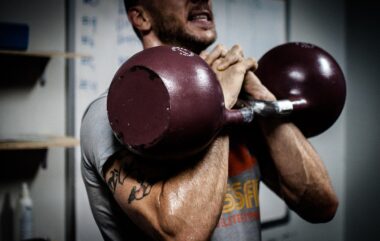
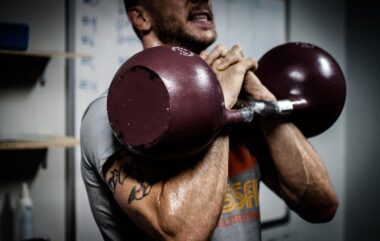
The integration of kettlebell workouts aimed specifically at improving flexibility can transform your fitness regime. Utilizing kettlebells offers resistance while encouraging a broader range of motion. Begin with dynamic warm-ups that incorporate kettlebell movements designed to activate major muscle groups and joints. Such warm-ups can prepare your body for more intense flexibility work. After executing your primary kettlebell exercises, dedicate time to flexibility-focused movements. These movements could include windmills and Turkish get-ups, both of which challenge your range of motion while incorporating strength elements. Moreover, it’s vital to cool down properly after training sessions. The cooldown phase is an excellent opportunity to focus exclusively on flexibility exercises. You can incorporate stretches targeting the hamstrings, hip flexors, and shoulders. Incorporating these movements not only helps in reducing muscle soreness post-workout but also contributes to flexibility gains over the long term. To maximize benefits, consider alternating between high-intensity kettlebell workouts and dedicated flexibility sessions. This ensures that your body receives a balanced workout, promoting overall fitness while tracking your flexibility improvement effectively.
Key Exercises for Flexibility Gains
Incorporating specific kettlebell exercises into your training can speed up improvements in flexibility. Some of the best exercises for flexibility include the single-arm kettlebell swing, kettlebell snatch, and lunges with rotation. These exercises not only work on strength but also engage your muscles in ways that promote flexibility. The single-arm kettlebell swing builds dynamic mobility and helps improve hip flexibility effectively. Meanwhile, lunges with rotation can loosen tight hip flexors while also working the entire body. Another excellent movement is the kettlebell halo, which facilitates shoulder flexibility. This exercise encourages shoulder mobility through rotational movements. Moreover, dynamic stretches such as high kicks, toe touches, or even dynamic hamstring stretches performed before kettlebell sessions can assist in improving flexibility. Implementing these targeted exercises provides an effective method to track your progress systematically. Bringing awareness to the areas needing improvement helps evaluate overall success. Record your sessions and reflect on how each exercise impacts your flexibility gains. Emphasizing these exercises during your training will help establish your trajectory towards enhanced flexibility.
Implementing feedback from recorded training sessions can further accelerate flexibility improvements. By visualizing your movements and identifying areas of tightness, you can tailor your future workouts effectively. Recording your progress can also aid in motivation and accountability. In addition, consider enlisting the help of a qualified trainer or coach to guide your flexibility journey. A knowledgeable trainer can offer insights into your form and suggest personalized modifications to workouts. They can also help in correcting any faulty technique that may hinder flexibility progress. It’s also ideal to group similar flexibility sessions, thereby establishing an ongoing routine to keep improvements consistent. This consistency will naturally enhance your body’s ability to adapt and grow. As you become more flexible, you might also want to explore advanced kettlebell exercises, which further challenge your range of motion and strength simultaneously. Progressing to these more complex movements may ultimately yield better results across all fitness domains. Tracking your journey is essential, enabling you to celebrate victories, big or small, while motivating you to strive for continual improvements.
Maintaining a Flexible Mindset
A crucial aspect of flexibility training is maintaining a positive and flexible mindset. The discipline involved in kettlebell training extends beyond physicalness; it also nurtures mental resilience. Understand that the journey toward flexibility may have ups and downs. Setbacks are natural and can occur when targeting physical change. Adopting a flexible mindset allows you to embrace these challenges without becoming discouraged. Remember to celebrate small victories along your journey, as this helps reinforce your dedication. Engaging in mindfulness practices can support your overall well-being as well. Techniques such as focused breathing can improve concentration when executing flexibility exercises. Incorporating a meditation or relaxation routine into your week may further enhance your results, contributing to a holistic approach to training. As your flexibility improves, continue adapting your goals to challenge yourself further. Reflect on your progress and adjust your training as needed to stay on the path to success. This continual adjustment encourages personal growth and achievement. Allow yourself the grace to enjoy the process while remaining committed to your flexibility and overall kettlebell training.
In conclusion, tracking flexibility improvements through kettlebell training can significantly enhance your fitness journey. The combination of resistance and dynamic movement creates a unique opportunity to improve flexibility while building strength. Establishing a systematic approach to measure your progress is essential. Utilizing assessments and logs makes tracking your journey easier and motivates continual efforts. In addition, integrating flexibility-centered kettlebell workouts ensures you are engaging the full range of movement. It’s equally important to incorporate key exercises and feedback mechanisms to push yourself further. Adopting a flexible mindset offers resilience that bolsters your overall training experience. This mindset supports navigating challenges and achieving your goals while allowing the journey to unfold naturally. Celebrate improvements big and small, and embrace the holistic development of body and mind. Kettlebell training offers an innovative approach to fitness that goes beyond standard flexibility routines. By focusing on strength and mobility, you cultivate not only physical abilities but also mindset. Commit to tracking your flexibility improvements and discover the countless advantages that the blend of kettlebell training and flexibility can bring to your life.
Conclusion to Kettlebell Flexibility
In conclusion, tracking flexibility improvements through kettlebell training can significantly enhance your fitness journey. The combination of resistance and dynamic movement creates a unique opportunity to improve flexibility while building strength. Establishing a systematic approach to measure your progress is essential. Utilizing assessments and logs makes tracking your journey easier and motivates continual efforts. In addition, integrating flexibility-centered kettlebell workouts ensures you are engaging the full range of movement. It’s equally important to incorporate key exercises and feedback mechanisms to push yourself further. Adopting a flexible mindset offers resilience that bolsters your overall training experience. This mindset supports navigating challenges and achieving your goals while allowing the journey to unfold naturally. Celebrate improvements big and small, and embrace the holistic development of body and mind. Kettlebell training offers an innovative approach to fitness that goes beyond standard flexibility routines. By focusing on strength and mobility, you cultivate not only physical abilities but also mindset. Commit to tracking your flexibility improvements and discover the countless advantages that the blend of kettlebell training and flexibility can bring to your life.