
Understanding Overuse Injuries in Football and Prevention Methods
In the competitive world of football, players often encounter various injuries, particularly overuse injuries due to the repetitive nature of their training and competition. These injuries commonly affect specific areas such as the knees, ankles, and hips. Understanding the biomechanics involved in football is crucial to this discussion. Improper techniques, an inadequate warm-up, and fatigue can all contribute to the likelihood of an overuse injury. Furthermore, athletes often push through discomfort, leading to exacerbated injuries that may require extensive rehabilitation. Emphasizing injury prevention methods must become integral to training programs for all levels of players. This ensures athletes can maintain their performance without enduring prolonged injury recovery. Coaches, trainers, and players should take a proactive approach in adapting training regimens that allow for physical adaptation. Moreover, educating players about the signs of overuse injuries can empower them to take necessary preventive measures. Regularly scheduled assessments can help identify risks before they elevate into serious problems. Through focused training and awareness, it becomes possible to mitigate the risks related to overuse injuries and effectively promote long-term athletic health.
Common Types of Overuse Injuries
Football players frequently suffer from a variety of overuse injuries, which can seriously disrupt their training and performance. Some prevalent injuries include tendinitis, stress fractures, and muscle strains. Tendinitis is particularly common in the knees and ankles and arises from repetitive motion leading to inflammation. Stress fractures occur in bones due to persistent impact and inadequate recovery time between training sessions and thus require gradual management. Muscle strains, on the other hand, often affect the hamstrings or quadriceps, resulting from sudden movements or excessive fatigue. Recognizing the specific types of overuse injuries is imperative in developing effective prevention strategies. Coaches and athletes alike should be educated on the mechanics and symptoms associated with each injury type. This understanding enables athletes to recognize early signs and symptoms of distress in their bodies, facilitating timely intervention. Additionally, implementing a structured training program that includes varied intensity levels will promote muscle adaptation while greatly reducing injury risks. Ensuring proper technique during drills and enhancing strength and flexibility can significantly contribute to injury prevention. Fostering a culture of awareness around these injuries can further ensure athletic longevity.
One effective method of preventing overuse injuries in football is utilizing an evidence-based conditioning program tailored to individual needs. By focusing on functional strength, agility, and endurance training, players can build resilience against potential injuries. It’s essential that these programs emphasize sport-specific movements to prepare athletes not only physically but also biomechanically. Incorporating strength training sessions enhances muscle stability and joint support, significantly lowering injury risks. For instance, exercises targeting core stability can improve overall balance, enhancing on-field performance. Moreover, these conditioning programs should be adapted as players progress throughout the season, considering factors like physical exertion and competition schedules. Regular evaluations should be conducted to track progress and identify any necessary adjustments. In addition, coaches will benefit from understanding players’ unique injury histories, allowing them to tailor routines accordingly. Player feedback during training sessions can also provide valuable insights into discomfort and fatigue levels. An adaptive conditioning strategy places emphasis on prevention while ensuring that players remain competitive. Moreover, integrating rest days into the training schedule will further aid recovery and promote long-term athletic health, thus substantially reducing the likelihood of overuse injuries.
Importance of Proper Footwear
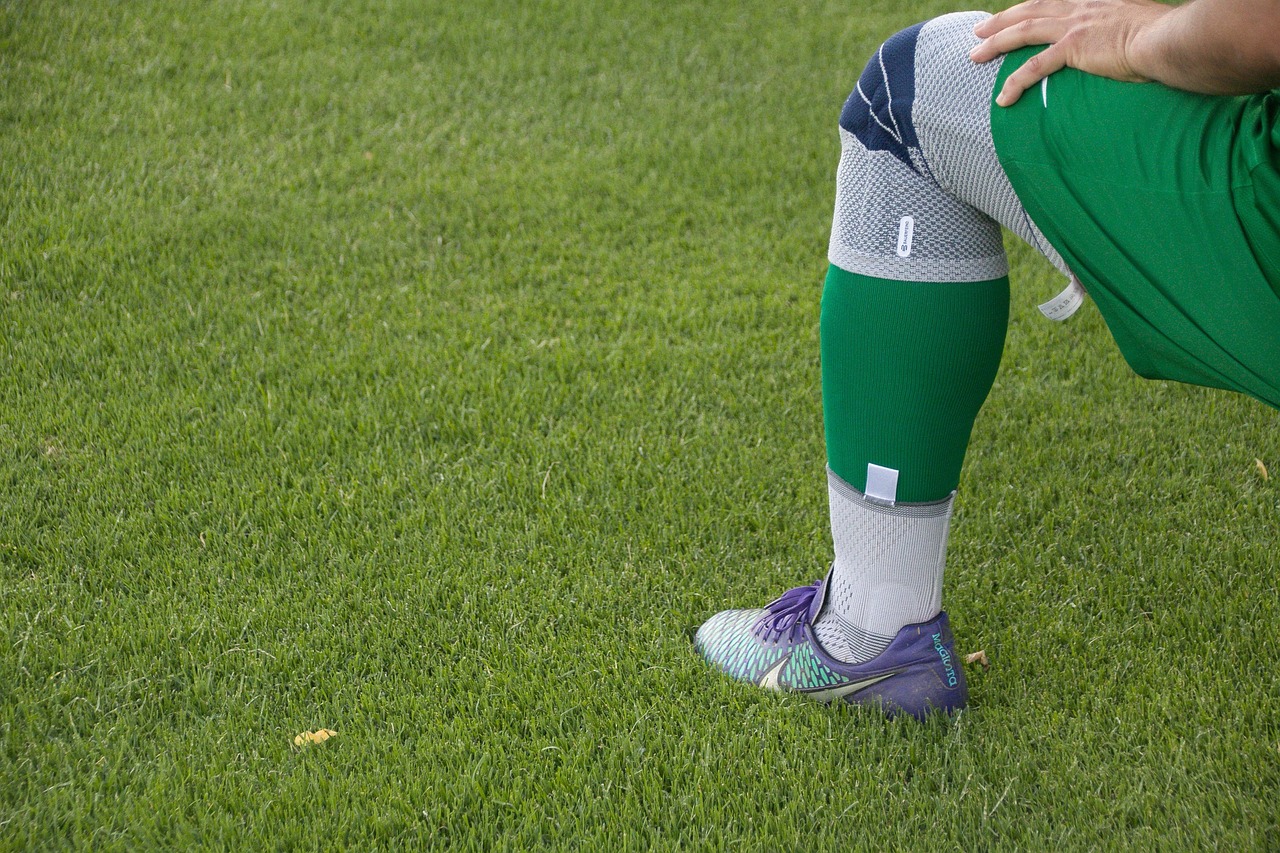
Footwear plays a critical role in injury prevention for football players, significantly impacting their performance and overall health. Choosing the right football boots can substantially influence an athlete’s ability to move efficiently and remain injury-free. It is essential that players select footwear that provides adequate support, cushioning, and grip, tailored to specific playing surfaces. Insufficiently supportive shoes can lead to various injuries, including ankle sprains and plantar fasciitis. Meshing the foot’s anatomy with appropriate shoe designs enhances stability, enabling better balance on the pitch. Regularly evaluating the condition of footwear will ensure that players replace worn-out shoes that may contribute to injury. Additionally, being aware of the surface conditions while playing can guide athletes in selecting the right footwear. Integrated assessments from trainers about footwear can further assist athletes in making informed decisions. Players must receive education about the significance of foot care and the potential complications arising from neglecting proper footwear. Taking these precautions helps ensure their long-term athletic health and performance sustainability. A proactive approach toward footwear selection will ultimately lead to reduced overuse injuries, paving the way for longevity in the sport.
Warm-ups and cool-downs are often overlooked aspects of football training that significantly contribute to injury prevention. Engaging in a structured warm-up routine increases blood flow to muscles, enhancing flexibility and preparing the body for high-intensity activity. Dynamic stretching exercises provide athletes with the necessary mobility and range of motion to execute movements with precision. Additionally, incorporating sport-specific drills during warm-up can serve to fine-tune coordination and balance. Following training or matches, cooling down allows for gradual recovery through static stretching and muscle relaxation. This practice aids in minimizing muscle soreness and stiffness, decreasing the likelihood of future injuries. Coaches should encourage players to dedicate sufficient time to warm-up and cool-down routines during practices and games. Regular implementation of these practices creates a habit, further reinforcing their importance. Moreover, educating players on the physiological benefits related to warm-ups and cool-downs may enhance their commitment to adhere to them consistently. An effective warm-up-cool-down routine can serve as a preventive measure against overuse injuries, ensuring players remain healthy and capable of reaching their potential on the football field.
Recovery and Rehabilitation Strategies
Recovery strategies are vital for football players in preventing overuse injuries from occurring or worsening over time. Implementing consistent rest periods within training schedules allows the body to heal and adapt to physical stressors. Active recovery techniques, including low-intensity exercises or stretching, should be integrated into training to facilitate recovery without compromising fitness levels. Proper nutrition also plays a significant role in recovery, as adequate hydration and nutrient intake support muscle repair and regenerative processes. Additionally, utilizing various recovery modalities, such as ice baths or compression therapy, can aid in reducing inflammation and enhancing muscle recovery. Furthermore, players should prioritize sleep as a fundamental aspect of their recovery plan, with adequate rest enhancing overall physical and mental performance. Players’ awareness regarding rehabilitation techniques should also be emphasized, as physiotherapy can provide targeted assistance in addressing recovery from injuries. Engaging in rehabilitation programs under professional guidance helps ensure optimal healing and return to training. Fostering a culture around recovery empowers players to prioritize their well-being in pursuit of performance. Thus, a focus on effective recovery strategies can prevent potential overuse injuries in football.
Ultimately, injury prevention requires a comprehensive approach involving education, awareness, and proactive strategies tailored to the unique demands of football. Players should be informed about the risks associated with overuse injuries and trained to recognize symptoms early. Coaches and trainers must foster an environment where athletes feel comfortable reporting discomfort without fear of losing playing time. Building strong communication channels between players and coaching staff can enhance transparency and promote a culture of health over performance pressure. Moreover, conducting workshops and seminars on injury prevention practices can further enhance awareness within teams. Collaborating with sports medicine professionals helps continuously update training protocols based on the latest research findings. Emphasizing injury prevention at all levels – youth, amateur, and professional – reinforces the foundational mindset about athletic health. A commitment to athlete safety ultimately benefits the sport, encouraging longevity and sustained performance. Collectively, stakeholders in football, including clubs, athletes, and coaches, must prioritize education and preventive strategies for all involved in the sport. This collective effort will ensure athletes can safely enjoy their passion for football without the burden of recurrent overuse injuries.