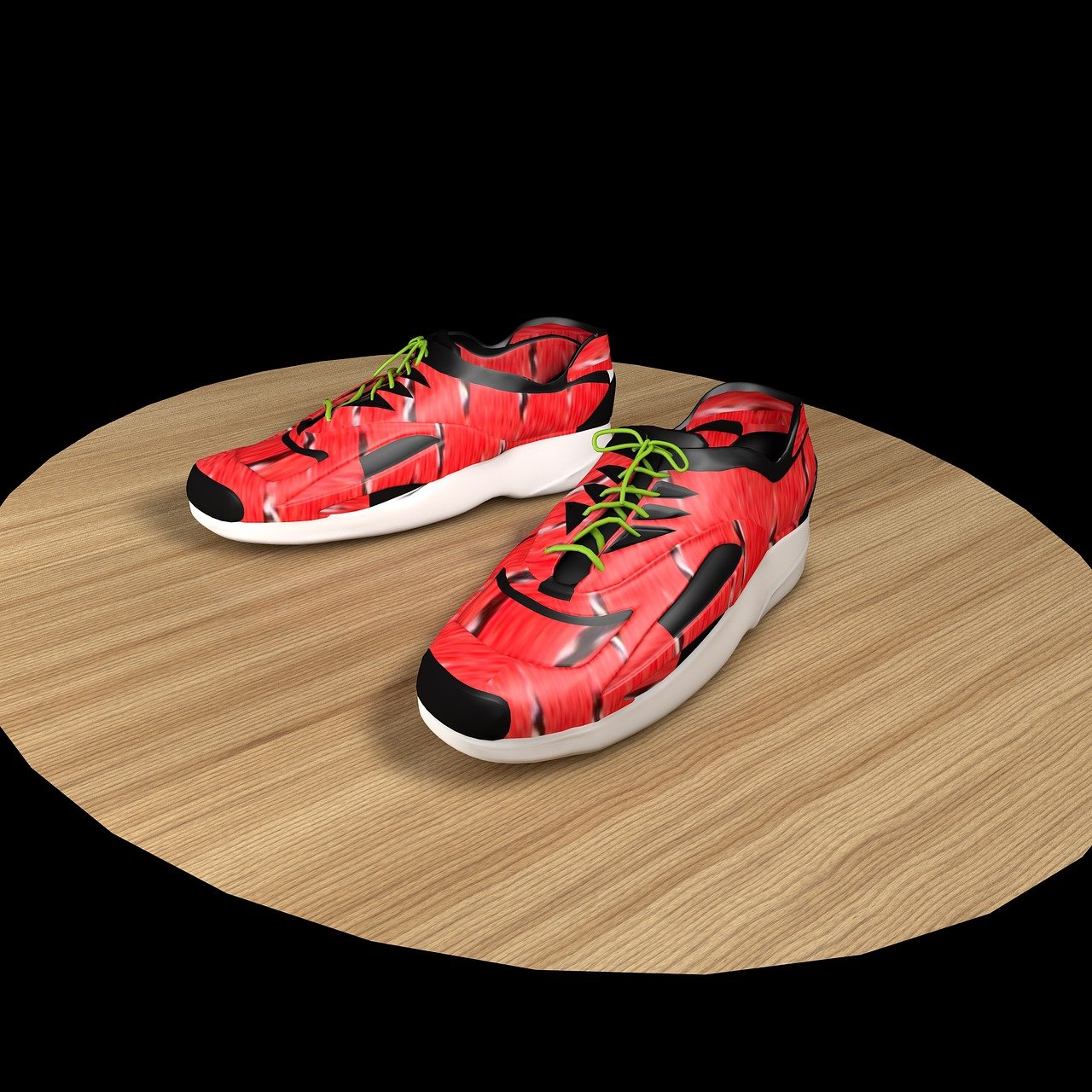

Best Trail Running Shoes for Different Terrains
Choosing the right trail running shoes is crucial for performance and safety on varied terrains. Whether you’re navigating rocky paths or soft dirt trails, each surface requires specific features in footwear. A well-cushioned shoe is essential for absorbing impact, while a firm grip helps maintain traction on slippery or uneven surfaces. Trail running shoes differ from road running models by offering enhanced outsole patterns designed for traction and stability. Look for shoes with durable materials to protect against sharp rocks and roots. Comfort is also key; a shoe that fits well will help you avoid blisters and discomfort, allowing you to focus solely on your run. Brands like Salomon, Saucony, and Asics have developed specific models addressing various trail conditions. Researching different types can lead you to the right pair, ensuring you enjoy your time outdoors. To gain insights, consider reading online reviews or seeking advice from knowledgeable staff at local running shops. Remember to try on different styles and sizes to find the best fit for your unique foot shape and running style. Overall, investing time in selecting the right shoes will ultimately enhance your trail running experience.
Understanding Different Trail Conditions
Trail conditions vary significantly and influence the type of running shoes to consider for your adventures. For instance, if you frequently run on rugged, rocky terrains, you’ll need shoes geared towards stability and protection. A thicker sole provides cushioning while maintaining grip, allowing you to maneuver over sharp obstacles with ease. Alternatively, soft, muddy trails require shoes designed to handle slip without compromising comfort. Look for shoes with larger lugs on the outsole to help prevent slipping. Additionally, wet or slippery surfaces can be challenging; therefore, securing shoes with excellent water drainage capabilities becomes essential. Breathable mesh uppers can also help manage moisture and keep your feet dry. For smooth and fast trails, a lightweight trail shoe can enhance speed without sacrificing comfort. Moreover, don’t forget seasonal changes, as snow and ice may require specific winter trail running shoes equipped with weather resistance. Overall, understanding the terrain you will frequently encounter will aid in selecting the most suitable footwear. Take time to analyze multiple features in relation to your intended trail conditions for the best performance.
Among the top contenders, the Salomon Speedcross 5 is a favorite for unpredictable terrains. Its aggressive lug pattern provides excellent grip on wet and muddy trails, making it a top choice for adventurous runners. The shoe’s comfortable fit is secured with quick-lace technology, allowing you to adjust your comfort level on the go. Lightweight yet durable, it features a breathable upper that keeps your feet cool during long runs. Who should consider this shoe? Runners needing both protection and stability without adding bulk will find it ideal for numerous trail conditions. Another remarkable option is the Brooks Cascadia 15, tailored for versatility across different surfaces. With its BioMoGo DNA cushioning, it adapts to your stride, ensuring comfort on long distances. The Cascadia 15 boasts a rugged outsole for traction and the protective rock plate shields feet from stones. Finally, the Hoka One One Speedgoat 4 provides superb cushioning and support with its oversized midsole. It’s perfect for those who prioritize comfort on extended runs, blending weight and support beautifully. Selecting any of these shoes can enhance your performance and enjoyment on the trails, ultimately leading to better trail running experiences.
Key Features to Look For
When buying trail running shoes, consider several key features, crucial for achieving optimal performance and comfort. First, focus on the outsole type, as it determines grip on various surfaces. A shoe with deep, aggressive lugs is necessary for uneven terrain, while a flatter, smoother outsole works better on dirt or grass trails. Secondly, heel and toe protection through rock plates or reinforced toes will greatly reduce injury risk from sharp objects on trails. Shoe cushioning directly correlates with your comfort during runs; hence, selecting a model that offers adequate support is essential. The weight of the shoe should also be analyzed; lighter models may increase speed, whereas heavier shoes often provide more support. Additionally, consider breathability and waterproof options based on the conditions you’ll encounter most often. A breathable mesh upper promotes airflow, keeping feet cool during warmer months. Finally, ensure the shoe fits well, with enough room for toes to move without sliding inside. Remember to consider your personal style and running patterns when evaluating these features to find the ideal match for your trail adventures.
Another contender is the Altra Lone Peak 4.5, designed for runners who prefer a wider toe box, allowing natural foot splay. This model provides excellent cushioning, which is perfect for long distances on hard surfaces. Runners who experience foot fatigue will admire the comfortable feel throughout the run. Moreover, its multi-directional lugs keep you steady on uneven terrain while preventing slipping. The shoe also features a rock plate for added protection, giving wearers confidence on unpredictable trails. The intelligent design from Altra caters to those seeking a blend of performance and comfort, specifically tailored for trail running. On the other hand, the La Sportiva Bushido II focuses on stability and agility for aggressive descents. With exceptional traction, it boasts a high-friction outsole that grips various surfaces. Whether you’re tackling rocky trails or muddy paths, the shoe promises reliable performance. Runners who desire low-profile shoes that still provide essential cushioning will appreciate the Bushido II. By exploring various models and evaluating their unique qualities, you can fine-tune your footwear choice for your individual running needs.
Comparing Features and Prices
When selecting trail running shoes, it’s essential to balance features with budget to ensure maximum satisfaction. Shoes can range from budget to premium options; premium shoes often come with advanced technology, ensuring durability, comfort, and performance. However, it’s essential to note that there are also budget-friendly alternatives that deliver the necessary functionality for trail running. Examining the warranty and materials can also provide insight into a shoe’s overall value and long-term usability. Feedback from experienced runners can offer questions regarding performance based on specific terrains, which helps assess whether they meet your expectations. Comparing various models side-by-side allows you to explore a range of features, from cushioning systems to breathability, which can enhance your running experience. Remember that your personal preferences and running habits will impact the best choice for you. Set a budget based on your specific needs, and be prepared to spend more if you find a shoe that meets all your requirements. Investing in quality footwear can significantly affect your trail running journey, providing both comfort and safety on your outdoor adventures.
Purchasing trail running shoes are an investment into a more enjoyable outdoor experience. Brands continually innovate, making it critical to stay updated on the latest developments. Some newer technologies include lightweight materials and minimalistic designs designed to encourage a more natural stride. Runners looking for versatility may prioritize shoes that offer solutions for various terrains, combining features from multiple models. Additionally, many brands offer a custom fitting experience to find shoes suitable for individual runners’ unique needs. Furthermore, taking the time to research previous years’ models may provide distinct advantages, including reduced prices and access to comfortable shoes. Seasonal sales and new color releases often make it easier to find exceptional quality shoes at discounted rates, thus ensuring brilliance in your footwear choice. When making a choice, try to prioritize comfort and usability over appearance. Prioritizing high-quality shoes developed specifically for trail running can lead to overall enhanced experiences in outdoor pursuits. Don’t forget to break in those new shoes gradually to avoid injuries. All in all, having the right equipment is essential for tackling trails and enjoying every run to the fullest.
Conclusion About Trail Running Shoes
The right trail running shoes can elevate your outdoor adventures, making each run safer and more enjoyable. With countless options available, it’s essential to thoroughly assess your needs based on the surfaces you’ll encounter. From sturdy outsole patterns to cushioned designs, features will vary between brands and models. Always prioritize your comfort and experiences, trying on several pairs before making a decision. Additionally, gather insights through reviews and recommendations from fellow runners to guide your choice. As you become more familiar with different shoes, awareness of their benefits will undoubtedly contribute to better trail running experiences. The discoveries in footwear technology continue to advance, meaning regularly reviewing your options remains beneficial. Don’t hesitate to invest time researching the latest offerings, as this may lead you to a perfect match aligning with your expectations. Finally, consider public running events for firsthand experiences with multiple shoe types, potentially expanding your options. With these strategies in mind, you can confidently choose the ideal trail running shoes that complement your journey on various terrains.