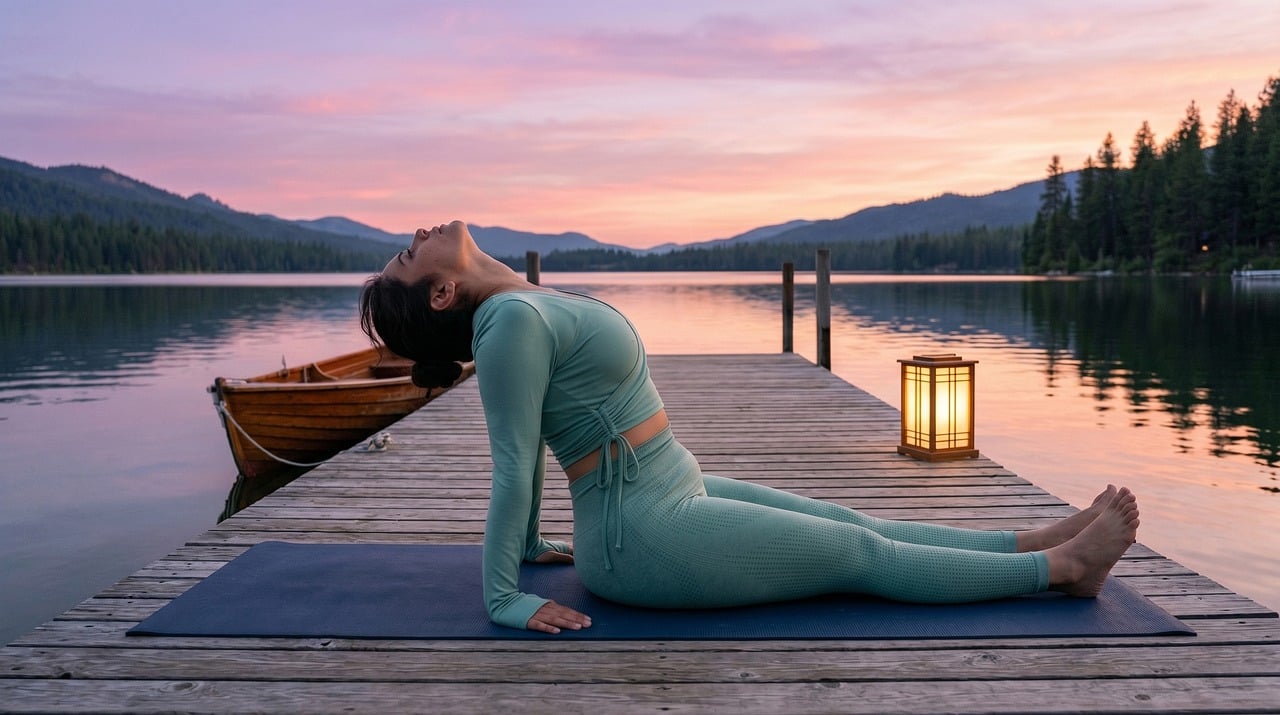

Breathing and Movement: The Yoga Formula to Fight Stress
Yoga, an ancient practice combining physical postures with mindfulness and breathing exercises, has grown tremendously in popularity for its stress relief benefits. Stress is a significant contributor to numerous health problems, including anxiety and depression. Practicing yoga allows individuals to tap into their inner peace, promoting relaxation and restoring balance to both mind and body. By incorporating deep breathing techniques, practitioners cultivate a sense of calm, particularly during moments of high tension. The following sections will discuss various yoga poses and breathing exercises specifically designed to alleviate stress. Through commitment and practice, yoga can serve as an effective tool for managing stress levels. The key lies in understanding the connection between body and mind, as well as harnessing breath to find tranquility. Research supports yoga as beneficial in lowering stress hormones and enhancing overall well-being. Making yoga a regular part of your routine can lead to meaningful changes in your daily life, fostering resilience against stressors. So, allow yourself the opportunity to explore yoga and listen to what your body and breath communicate during this transformative journey.
The Role of Breath in Stress Management
Breath is at the foundation of yoga, serving as the bridge between body and mind. By focusing on deep, controlled breathing, individuals activate the body’s relaxation response, counteracting the stress response. Incorporating breathing exercises into daily routines not only enhances physical health but also stabilizes emotions and promotes a positive mindset. Techniques like diaphragmatic breathing, box breathing, and alternate nostril breathing can significantly reduce anxiety levels, making them valuable tools in the fight against stress. During yoga practice, these techniques help to calm racing thoughts and bring awareness to the present moment. In times of frustration or despair, simply taking a few deep breaths can create a shift in perspective, allowing individuals to respond more thoughtfully to situations. As one becomes proficient in breath control, other aspects of life can improve too. Better self-awareness leads to better decision-making, enhanced emotional well-being, and increased productivity. Ultimately, when the breath is mastered, it transforms the way stress is approached and experienced. Therefore, prioritizing breath control in yoga practice is essential for long-lasting stress relief.
Incorporating specific yoga poses into your routine can be immensely beneficial in combating stress. Forward bends, such as Uttanasana (Standing Forward Bend), promote a calming effect on the nervous system. This pose encourages introspection, enabling individuals to disconnect from overwhelming thoughts and focus on their breath. In addition to forward bends, restorative poses like Supta Baddha Konasana (Reclining Bound Angle Pose) invite relaxation and serenity. This pose, accompanied by steady breathing, helps to alleviate anxiety and tension built up in the body. Furthermore, experimenting with gentle backbends like Bhujangasana (Cobra Pose) releases held tension and opens the chest, inviting a sense of courage. As these poses are practiced regularly, they encourage emotional release, aiding in the process of letting go of stress. Consistency is key; incorporating these poses into a weekly routine can help fortify emotional resilience over time. Yoga not only relieves stress, but also cultivates physical strength, flexibility, and mental clarity. Therefore, exploring various poses is essential for anyone looking to achieve lasting stress relief through yoga.
Mindfulness and Meditation: Essential Components
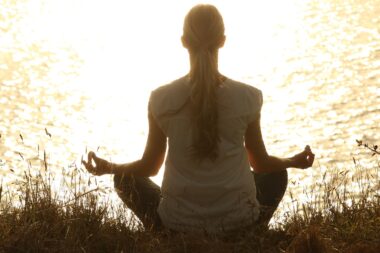
Mindfulness and meditation play crucial roles in utilizing yoga for stress relief. These practices encourage individuals to fully engage with the present moment, fostering a sense of awareness and acceptance. By focusing on breath and bodily sensations, practitioners can effectively divert their attention away from stressors. Incorporating mindfulness during yoga sessions amplifies the benefits of each pose, leading to improved concentration and mental clarity. Engaging in meditation helps to calm the mind, allowing a deeper connection with oneself and a greater understanding of emotional patterns. It can also significantly enhance self-compassion, empowering individuals to better cope with stress and prevent overwhelming emotions. Committing to regular meditation, even if just for a few minutes each day, creates opportunities for reflection and personal growth. As practitioners develop a consistent meditation practice alongside their yoga journey, they discover new ways to manage stress and embrace life’s challenges more gracefully. In addition, various guided meditations can also support those new to the practice, enhancing experiences of relaxation and stress relief. Overall, effective use of mindfulness and meditation can transform one’s approach to stress.
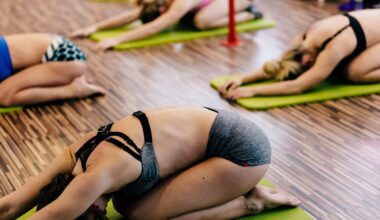
Building a community can deepen the stress-relieving benefits of yoga practice. Joining group classes fosters a sense of belonging and provides much-needed support. Sharing experiences with fellow practitioners helps in recognizing shared struggles related to stress. The communal aspect of yoga strengthens accountability and commitment to regular practice, leading to long-lasting benefits. Savoring shared moments of calm during group sessions augments the healing power of yoga, transforming individual practices into more profound experiences. Additionally, seeking a qualified instructor can enhance personal practice, as they offer guidance on advanced techniques in breathing and movement. Engaging with experienced teachers provides insights into different styles of yoga, ensuring an enriching experience tailored to individual needs. Experimenting with various classes can reveal what resonates best, helping individuals uncover their unique approach to stress relief through yoga. Furthermore, participating in workshops or yoga retreats helps deepen the practice and reinforce the sense of community. Such shared experiences not only promote relaxation, but also cultivate friendships that serve to enrich both life and practice. In this expanding network, stress relief techniques flourish and become more accessible.
Taking Your Practice Off the Mat
Yoga for stress relief extends beyond the practice mat and can influence daily living. Integrating mindfulness and breath control into life’s routine leads to enhanced emotional resilience. Simple techniques, such as pausing to take deep breaths during stressful moments, can make a big difference. Encouraging moments of stillness throughout busy days cultivates a sense of balance and awareness. Practicing gratitude daily is another effective strategy for managing stress in life outside of yoga. Acknowledging positive aspects, no matter how small, can shift perspective and help alleviate tension. Developing a holistic routine that combines physical activity, balanced nutrition, and consistent sleep patterns further contributes to stress management. Mindful eating, engaging in hobbies, or enjoying nature can all yield stress-relieving results. By identifying personal triggers and cultivating a proactive mindset, individuals can become empowered to navigate life’s challenges. Additionally, building resilience through yoga helps equip practitioners to handle demands more effectively. In essence, the principles learned through yoga can seamlessly integrate into everyday life, making stress relief more attainable and consistent.
In conclusion, the formula for fighting stress through yoga encompasses breath, movement, mindfulness, and community. This approach fosters resilience and personal growth, allowing practitioners to gain control over their emotional well-being. By sharing experiences, exploring various yoga poses, and cultivating breath control, stress can be managed more effectively. Mindfulness and meditation practices deepen the bond between body and mind, while community support enhances individual journeys. Moreover, taking yoga principles off the mat encourages a balanced lifestyle, reinforcing a holistic approach to stress relief. Initiating this journey does not require prior experience; anyone can start yoga to relieve stress and reclaim control over their lives. Regular practice brings clarity, peace, and emotional stability, which together contribute to an improved quality of life. So, whether you are a seasoned practitioner or just beginning, embracing the yoga formula can unlock unparalleled stress relief. Take your time to explore and experiment, allowing each session to unveil new insights into your ongoing journey. Ultimately, remember that each breath is an opportunity to cultivate serenity and transform your relationship with stress.