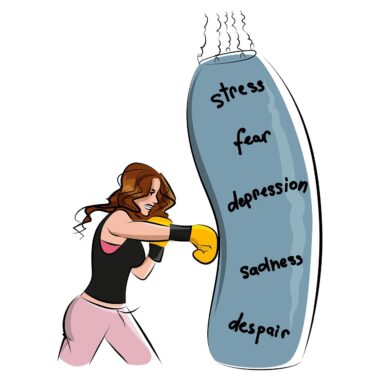

Breathing Exercises to Aid Recovery After Boxing Sessions
Breathing exercises play a vital role in the recovery process for boxers, assisting in more than just relaxation. Proper breathing techniques can significantly enhance the effectiveness of recovery by allowing for better oxygen flow, which is critical for muscle repair. Recovery after an intense boxing session is crucial as it helps to replenish energy levels, repair tissue damage, and prevent soreness. By integrating breathing exercises into a post-boxing routine, athletes can enhance their overall performance. Breath control is not merely a physical exercise; it psychologically prepares the mind for recovery. Controlled breathing can help lower heart rates, decrease blood pressure, and foster a sense of calm. Incorporating these techniques post-workout can lead to a more efficient recovery process, making boxers feel fresher and more invigorated sooner. Additionally, effective breathing aids in the release of tension, which often accumulates during intense training. This, in turn, helps boxers maintain focus and composure in their subsequent workouts and matches. To reap these benefits, boxers should consider including various breathing methods into their cool-down routine for optimal recovery outcomes.
One effective technique is called diaphragmatic breathing, which focuses on deep breathing. By engaging the diaphragm fully, boxers can take deeper breaths, thereby increasing their lung capacity. To perform this exercise, one must lie down flat and place a hand on the abdomen. As the boxer inhales deeply through the nose, the abdomen should rise, signaling successful diaphragm engagement. After a few seconds, they should exhale slowly through pursed lips. This method can help relax the body, lower cortisol levels, and subsequently promote faster recovery after a vigorous session in the ring. Besides, not only is it physically beneficial, but it also helps the boxer mentally adjust by focusing on their breath rather than post-workout discomfort. It is suggested that boxers practice this technique for at least five to ten minutes post-session. Gradually increasing the duration can lead to more profound benefits. Consistency is key, and establishing this as a habitual practice can work wonders for long-term recovery effects. Notably, during high-stress workouts, diaphragmatic breathing can prove highly beneficial in bringing a sense of calm and clarity.
Box Breathing for Enhanced Recovery
Another excellent breathing exercise is the box breathing method, which facilitates a balanced and calming experience. This technique involves inhaling through the nose for a count of four, holding the breath for another count of four, exhaling through the mouth for four, and then holding the breath again for four. Boxers can repeat this pattern several times to steady the heart rate and center their thoughts. This exercise is particularly useful after an intense fight or training session, where adrenaline levels may still be elevated. Practicing this method can help boxers transition smoothly from high-energy performance to the rest phase, promoting physical and mental recovery. Moreover, box breathing can help to improve focus and concentration, allowing boxers to visualize their techniques more clearly as they recover. Visualization is an essential part of training in boxing, and utilizing box breathing during this time allows athletes to merge relaxation and mental clarity effectively. Consequently, this practice can lead to better overall performance in future sessions and fights as well.
Incorporating alternate nostril breathing is another valuable technique that can aid in recovery. This method balances the body’s energies and brings about a sense of peace. Boxers can practice this exercise by using their thumb and ring finger; they should close one nostril while inhaling and then switch to exhale through the other nostril. Not only does this technique promote relaxation, but it also enhances lung capacity over time. This is significant for boxers, as improved lung capacity directly correlates with better endurance and performance in the ring. Furthermore, this exercise can help relieve tension headaches and reduce feelings of stress, which are common after intense training. Consequently, alternate nostril breathing should be integrated into post-workout routines, preferably upon entering the cool-down phase. Performing this exercise can take just a few minutes but the impact can be substantial. Integrating this into a recovery practice highlights its dual benefit: aiding recovery while also resetting mental focus, which is a critical element in competitive boxing.
Mindful Breathing Techniques
Mindful breathing is an additional category of breathing exercises that emphasizes awareness and presence during recovery. This technique encourages boxers to focus on their breath, acknowledging any sensations in the body as they inhale and exhale. Mindfulness can greatly improve an athlete’s mental fortitude and emotional resilience. For boxers, dealing with the physical demands of training requires mental discipline, which can be strengthened through mindful breathing. It is recommended that boxers allocate time for this practice, ideally after each training session, to reset their minds. Simply finding a quiet space and allowing thoughts to dissipate while focusing solely on breathing can yield impressive results. This exercise cultivates a sense of calm while simultaneously improving focus and clarity of thoughts. Incorporating visualization of future boxing goals during this practice can make it even more effective. Furthermore, it is beneficial for shoulder relaxation and can alleviate aches. Overall, mindful breathing not only aids recovery but also enhances the boxer’s connection with their body, fostering a harmonious balance between mind and physicality.
The impact of breathing techniques extends beyond just recovery; they can also be vital during an actual boxing match. Deep and controlled breathing enables boxers to maintain their composure under pressure and reduce panic. Breathing helps in regulating body functions during action, which can prevent fatigue. Boxers who practice these techniques regularly create an association between breath and performance, leading to improved outcomes in high-stress situations. A controlled breath can serve as an anchor to return to when faced with challenging circumstances in the ring. Therefore, these breathing exercises become a practical tool that boxers carry with them into their competitive scenarios. Thus, boxers are encouraged to train their breathing consistently, making it as habitual as punching and footwork. With practice, these techniques enhance overall confidence in their abilities. Practicing breathing methods in tandem with technical skills cultivates a well-rounded approach to boxing. In time, boxers find themselves more equipped to handle fatigue and improve performance not only in terms of physical conditioning but also mental preparedness.
Conclusion
In conclusion, the integration of breathing exercises into post-workout routines holds substantial value for boxers. Regular practice facilitates not only faster recovery but also contributes positively to mental clarity and focus. With methods like diaphragmatic breathing, box breathing, alternate nostril breathing, and mindful breathing, boxers can significantly enhance their recovery outcomes and overall performance. These techniques are simple yet effective tools that help relieve stress, promote relaxation, and foster deeper connections between the mind and body. Including these exercises can ensure that boxers are better prepared for future challenges, both in training and competitive environments. Therefore, boxing fitness enthusiasts should not overlook the crucial role of breath control. It is essential to tailor these practices to individual needs for maximum effectiveness. Boxers should experiment with different breathing techniques to find those that resonate most with their style. Ultimately, the commitment to integrating breathing exercises can result in improved recovery, greater performance in the ring, and an increased personal understanding of one’s physical and mental capabilities. Embracing these principles may lead to long-term success in the sport.
In summary, the recovery journey for boxers is significantly enriched through the use of focused breathing techniques. Athletes who actively prioritize their breathing practice gain not only physical benefits but also increased mental toughness. These exercises act as a bridge connecting the physical demands of boxing with the mental fortitude needed to overcome challenges. In the fast-paced world of boxing, moments of calm provided by these breathing methods can make a notable difference. Ultimately, the influence of breathing on recovery and performance in boxing should not be underestimated. Boxers looking to elevate their training regimes should dedicate time to mastering breathing techniques that serve their unique requirements. By doing so, they will experience not only an improvement in their recovery times but also in their overall approach towards conditioning and competition. The path to excellence in boxing is multifaceted, and breathing exercises represent one key element in achieving success that should be embraced and practiced consistently. This commitment to holistic recovery processes can distinguish dedicated athletes in the competitive sphere as they strive to reach their highest potential effortlessly.