
How to Choose the Perfect Oar for Your Rowing Needs
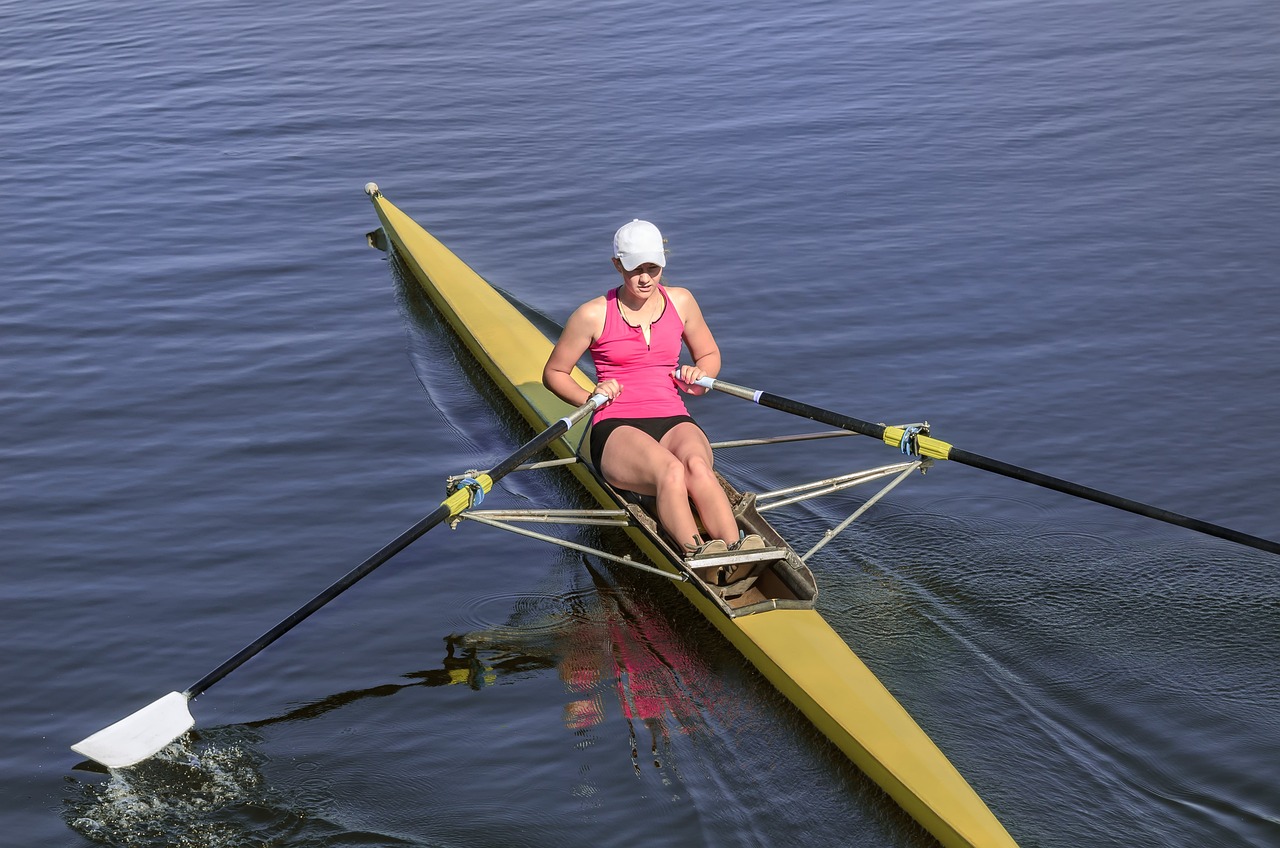
Choosing the right oar is essential for effective rowing performance. Oars come in various sizes and materials, tailored for different water conditions and rowing styles. Begin by considering the type of rowing you will be doing, such as sculling or sweep rowing. Each type has specific oar requirements. For example, a scull typically uses two oars while sweep rowing utilizes one longer oar. Next, evaluate the blade shape and size. A wider blade offers more power, while a narrower blade allows for quicker strokes. Additionally, the material of the oar can significantly impact weight and durability. Common materials include wood, fiberglass, and carbon fiber. Carbon fiber, while more expensive, is lighter and stiffer, providing excellent performance. Don’t forget to consider the length. An oar that is too short or too long can hinder your rowing technique. Lastly, it’s important to test your oar before committing. This can help ensure you choose the right option to enhance your rowing experience. Look for a local rowing club that offers oar rentals or trials. By doing your research and testing different oars, you can find the best fit.
The next key factor in choosing the right oar is grip comfort. When rowing for extended periods, a comfortable grip can minimize hand fatigue. Oars come with different grip styles, including standard and ergonomic grips. Ergonomic grips, which conform to the shape of your hands, can lead to better performance and less strain. The weight of the oar is also crucial. Lightweight oars improve speed and maneuverability, while heavier ones provide more strength. Finding the right balance between weight and durability is vital. Research user reviews and seek recommendations from experienced rowers; they can provide valuable insights about specific brands and models. Additionally, you can explore the option of custom oars, designed to fit your unique specifications. Companies often provide customization options for size, shape, and materials. These can enhance your rowing experience significantly. Ultimately, the perfect oar significantly depends on personal preference and physical capabilities. Trying out different options at a rowing shop can assist in making an informed decision. Don’t hesitate to ask for expert advice from staff at stores or clubs specializing in rowing equipment.
Understanding Oar Measurements
Understanding oar measurements is crucial for selecting the right equipment for your needs. Oar length is measured in inches, and it must correlate with your height and the type of boat you use. As a general guideline, taller rowers typically benefit from longer oars due to their longer reach. Conversely, shorter rowers should consider shorter oars for optimum rowing efficiency. The width and shape of the blade also require careful consideration. Wider blades provide better grip in the water, which can increase your power and speed. However, they may also demand more energy to maneuver. When it comes to blade shape, some prefer a flat blade that is more versatile, while others might choose a spoon-shaped blade for maximizing the thrust through the water. Consider your rowing style: competitive rowers might opt for more advanced shapes to gain an edge. Additionally, take into account the overall weight of the oar and how it might affect your rowing technique. Taking the time to understand these measurements will ensure that your purchase aligns with your rowing activities and goals.
In addition to the physical attributes, consider the intended use of your oar in various rowing conditions. Strong winds and rough waters demand different oar characteristics than calm lake rowing. In harsher conditions, it is important to select oars that can withstand challenges while offering reliable performance. For instance, oars with durable materials may resist wear and tear better, ensuring they last through all conditions encountered. Furthermore, thinking about your rowing frequency and commitment level can influence your purchase. If you row often, investing in high-quality oars is advisable, as they provide better performance and longevity. However, if you’re a beginner or a casual rower, you might want to start with more affordable options. As your skills develop, you can invest in more specialized equipment. Finding good storage solutions for your oars is also vital—keeping them safe can help prolong their life. Remember, proper maintenance, including regular cleaning and inspection for damage, will further enhance their lifespan and performance. The right oars can make a significant difference in your rowing journey.
Testing Oars Before Purchase
Before finalizing your purchase, testing different oars can yield helpful insights into which option suits your needs best. Many sporting companies have demo days where you can try various equipment on the water. Participating in these events allows you to understand the feel of an oar firsthand. Pay attention to how each oar interacts with the water as you row. Consider your performance: do you feel more powerful and efficient with a particular style? Moreover, talk to other rowers during these events and hear about their experiences. They may offer valuable perspectives about different brands and models that aren’t immediately apparent. Often, seasoned members of local rowing clubs are happy to lend you their advice, as they want to foster the sport’s growth. Additionally, it’s useful to make comparisons; take notes on what you liked and disliked about each oar. Such detailed documentation will assist in making an informed decision later on. Selecting the right oar requires patience, diligence, and thorough testing to ensure that your final choice enhances your rowing experience effectively.
As you continue your search for the perfect oar, consider discussing your aims and desires with a knowledgeable salesperson at rowing stores. Sales teams are often composed of individuals who understand the intricacies of rowing and can offer tailored advice. Explain your goals, and they can suggest oars that fit your style, experience level, and intended usage. This can save you time by narrowing down options to focus on those most aligned with your needs. Moreover, don’t forget about budget considerations; quality rowing equipment can range greatly in price. Setting a budget before shopping can streamline the process and prevent the temptation of overspending on advanced equipment you may not require immediately. Furthermore, explore second-hand oar options for more affordability. Always ensure that used equipment is in good condition and meets your specifications. The market often features clubs, individuals, and online platforms where gently used oars are available. A combination of new and pre-owned options can broaden your potential to find the right fit while remaining financially prudent in your rowing equipment investments.
Maintaining Your Oar
Once you’ve selected your ideal oar, ongoing maintenance becomes essential for preserving its performance and longevity. Start by regularly inspecting your oar for any signs of wear, such as cracks or delamination in fiberglass or carbon fiber models. If using wooden oars, be vigilant about checking for splintering or rotting. Cleaning your oar after each use—notably after rowing in saltwater or muddy conditions—will help prevent deterioration. Store your oars in a dry, cool environment, away from direct sunlight, which can warp materials over time. Complement your routine with seasonal checks, looking for potential damage you may have missed. It’s also useful to apply oil or wax to wooden oars periodically to maintain their appearance and integrity. Consider seeking advice from experienced rowers or visiting forums where maintenance tips are shared. By investing time in maintenance routines, you not only extend the lifespan of your oar but also ensure that it continues to perform at its best. Proper care of your rowing equipment ultimately enhances both your rowing experience and fitness journey.
A community of fellow rowers can be invaluable. Join events or clinics to meet other enthusiasts who share similar interests. Developing relationships with more experienced rowers provides insights into both equipment and technique, enabling you to improve your skill set. Some local clubs often offer group training sessions where everyone can learn together—participating in these can yield significant benefits as you interact with peers in real-time. Beyond technical knowledge, becoming part of a rowing community also encourages social interactions, forming lasting friendships. Rowing partnerships can foster motivation and accountability, especially with training goals. As you connect with others, attend regattas to observe various techniques and equipment in action. This firsthand observation can guide your future purchases or adjustments to your rowing style. Additionally, follow blogs or social media groups dedicated to rowing; they frequently share tips, reviews, and personal experiences. Always be proactive about adapting your rowing knowledge—every interaction has the potential to enhance your skills and understanding. Building and nurturing these connections in the rowing community will enrich both your personal and rowing journeys.