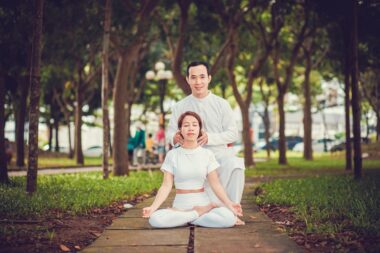

Hydration Tips for Seniors Practicing Yoga
Hydration is crucial for everyone, especially for seniors practicing yoga. As we age, the body’s ability to conserve water diminishes, leading to increased dehydration risks. It’s vital for seniors to drink sufficient water before, during, and after yoga. Hydration helps in maintaining joint health and flexibility, essential for smooth movements in yoga. Remember, dehydration can affect concentration and balance, making the practice less effective. Seniors should aim to drink at least eight glasses of water daily, which may vary based on activity levels and environment. Carrying a water bottle during yoga sessions can encourage regular intake. Additionally, enjoy hydrating fruits and vegetables like cucumbers, oranges, and watermelons. Consider making hydrating smoothies to combine nutrients with fluid intake, ensuring optimal hydration while practicing yoga. Monitoring urine color is another simple way to check hydration status; light yellow indicates proper hydration. Encourage seniors to be proactive about their fluid intake and recognize signs of dehydration, such as dizziness and fatigue. By prioritizing hydration, seniors can enhance their yoga experience and overall wellbeing.
Planning a hydration schedule before yoga sessions is essential. Having a routine helps seniors recognize the importance of water intake in their daily lives. Hydration should ideally commence in the morning and continue throughout the day, considering water loss during physical activities like yoga. Engage seniors in setting reminders or alarms to drink water at regular intervals, ensuring consistent intake. Another way to promote hydration is through different flavored water options. Infusing water with fruits, herbs, or spices can make drinking more appealing and enjoyable. Examples include lemon-lime citrus water or mint-cucumber refreshing options. Utilizing hydration apps can also aid seniors in tracking their water consumption, providing motivation and accountability. It is necessary to understand individual hydration needs, as older adults may require more or less based on various factors like health conditions and medications. In classes, encourage seniors to sip water between poses, keeping them refreshed and attentive. Always remind everyone to listen to their body, as thirst is an indication to hydrate. Through careful planning and reminders, seniors can maintain optimal hydration levels during yoga, contributing positively to their practice.
Hydration Aids and Proper Choices
Incorporating hydrating aids into yoga routines can create a more enjoyable experience for seniors. Using sports drinks designed for electrolytes may be beneficial post-yoga practice, especially for those who engage in more intense sessions. However, choose options low in sugar to avoid unwanted calories. Additionally, coconut water is a natural alternative rich in potassium and electrolytes, making it a great choice for recovery after hydration. Herbal teas, served warm or cold, can also offer hydration while providing soothing benefits. Some herbal teas, like chamomile or peppermint, may help with relaxation and cooling down after yoga. It’s important for seniors to understand their liquid choices to ensure they maintain proper hydration without excess sugars or additives. Infused waters can increase flavor appeal while providing essential hydration; daily experimentation with various fruits can turn routine water into something exciting. Whole foods like smoothies or fruit salads can also significantly boost liquid intake while offering vitamins and minerals that support overall health. Replacing sugary sodas or caffeine-laden beverages with more natural options should be encouraged among seniors, creating a shift towards healthier hydration habits.
Time of day significantly impacts hydration levels, especially concerning yoga practices. Engaging seniors in conversations about hydration timing can prove beneficial. For optimal results, seniors should ensure they drink water early in the day, completing most of their intake before yoga sessions. This helps to avoid discomfort during practice caused by a full bladder or sloshing liquids. If classes are in the morning, seniors should hydrate the night before, maintaining a routine that promotes overall hydration. During afternoon or evening sessions, a balanced intake throughout the day supports energy levels and aids recovery post-practice. Additionally, warming up should include light stretching and conditioning, enabling seniors to recognize their hydration needs before class begins. Encouraging them to carry lightweight, portable water bottles makes hydration easier during mobility. During classes, frequent breaks to sip water can reinforce hydration habits, integrating fluid intake naturally into practice. Seniors should understand listening to their bodies and recognizing signs like dry mouth or fatigue signals are crucial in maintaining their wellbeing while practicing yoga. This holistic approach fosters a comprehensive understanding of hydration, ultimately improving experiences.
Understanding Body Signals
Senior yogis must recognize their body’s signals, which are essential for promoting hydration. Thirst is a clear indicator, but many seniors may not realize how low fluid levels can manifest internally. Symptoms like fatigue, confusion, headaches, and dizziness usually suggest dehydration exists. Having knowledge about these signs will empower seniors to take action towards acceptable hydration. Sharing educational resources about recognizing dehydration symptoms can encourage proactive behavior among seniors, making hydration a priority rather than an afterthought. Encourage yoga instructors to discuss hydration considers during warm-ups. Allowing seniors to express feelings of discomfort, whether physical or mental, reinforces the need to remain mindful about water intake. Providing opportunities for seniors to tune into their body’s requirements can enhance practice benefits and lead to deeper self-awareness. Additionally, participating in group discussions can foster a community mindset that emphasizes hydration support. Creating a buddy system among seniors can encourage them to remind each other to drink water, creating accountability. Overall, awareness of body signals and feelings combined with social support helps seniors adopt healthier habits concerning hydration during yoga and beyond.
Moreover, utilizing yoga poses known to improve digestion can play a role in hydration efficiency. Many seniors may experience digestive issues, so incorporating such poses into their practice effectively enhances hydration absorption in the body. For instance, gentle twisting poses can facilitate better circulation and fluid retention, which are vital post-hydration. Additionally, finding restorative poses at the end of classes promotes relaxation and supports fluid balance within the body. Engaging in this practice encourages seniors to appreciate their bodies’ natural rhythms and hydrate accordingly. Seniors should explore various poses that reinforce these concepts, providing more reasons to stay engaged in yoga practice with a primary focus on hydration. Moreover, regular reviews of personal hydration habits can yield insights on how to improve their overall wellness through mindful choices. Integrating hydrating foods into daily meals while staying consistent with water intake will only bolster their performance during yoga classes. It’s essential to remain open to experimentation and learning, as it enhances not only hydration practices but overall yoga experiences. The combination of awareness, personalized practices, social engagements, and enjoyable foods creates a holistic hydration approach for senior yogis.
Conclusion
In conclusion, proper hydration plays a fundamental role in the wellbeing of seniors practicing yoga. The importance of drinking water cannot be overstated, as it supports both physical and mental health. Through various strategies, seniors are encouraged to incorporate hydration into their daily routines seamlessly. Creating a solid understanding of individual hydration needs and recognizing larger symptoms can prevent dehydration before it begins. Additionally, providing knowledge on hydrating food choices can open up many avenues for diverse and nutritious options that seniors can enjoy. Engaging in community discussions builds supportive environments around hydration topics, fostering positive behavioral changes over time. As seniors explore their yoga practices, they will not only reap physical rewards but also emotional benefits from feeling refreshed and revitalized when properly hydrated. Seniors should embrace their hydration journeys by listening to their bodies, utilizing resources, and upholding communication regarding these practices. Encouragement must come from various sources: instructors, friends, and fellow yogis alike. Ultimately, celebrating hydration as part of the wellness experience during yoga will yield lasting effects benefiting overall health and longevity.
Additionally, engaging in consistent communication about hydration preferences, personal needs, and collective experiences will encourage ongoing exploration in the realm of senior yoga. The practices established, proven tips shared, and lessons learned, together, will create a supportive network that promotes hydration awareness. Through collaborative efforts among instructors and participants, hydrating practices can evolve further—helping seniors understand the significant impact hydration has on their yoga experience. Whether discussing favorite recipes, low-sugar electrolyte drinks, or supportive app recommendations, the conversations will inspire new approaches to fulfilling hydration needs. Learning doesn’t stop at hydration; it creates openings for further insights on wellness during yoga for seniors. As seniors immerse themselves in the practice, experimenting with various flavors, textures, and drink forms will only enhance their enjoyment while staying hydrated. By continually fostering an atmosphere where seniors feel encouraged to engage in their hydration and yoga journey, a strong sense of community around healthy practices will emerge. Ultimately, the intersection of hydration with yoga will deepen both physical and emotional connections to the practice, leading to improved overall well-being.