
Improving Coordination to Prevent Falls in Seniors
Falls in seniors are a significant health concern due to decreased mobility, strength, and coordination. These factors make evaluating various fall prevention techniques essential for improving quality of life. One of the most effective strategies is enhancing coordination through balance exercises. Regular practice can greatly enhance stability and confidence, significantly reducing the likelihood of falls. Activities that challenge balance can be implemented into daily routines for seniors of varying fitness levels. Some effective exercises include standing on one leg, heel-to-toe walks, and Tai Chi, all of which promote body awareness. Furthermore, using assistive devices like canes or walkers can provide additional stability as seniors work on their balance. Family members and caregivers should encourage participation in these activities while also ensuring the environment is safe and free from hazards. Additionally, making modifications in the home can support these efforts, including removing clutter or securing rugs. A comprehensive approach utilizing exercise, environmental adjustments, and social support can create an effective framework to lower fall risk. Working with trained professionals may provide additional guidance for seniors to practice these skills safely.
The Importance of Strength Training
Strength training has been shown to play a vital role in fall prevention for seniors. Improved muscle strength enhances coordination, balance, and functionality, making it crucial for older adults. Regular strength training can help mitigate the natural loss of muscle mass that occurs with aging, thereby promoting overall physical health. Exercises such as squats, lunges, and resistance band activities help boost strength in major muscle groups, providing better support for joints. A strong lower body is especially important for maintaining stability when walking or transitioning between positions. Incorporating strength exercises into a fitness routine, even in low-impact forms, allows seniors to build stronger muscles, which aids in preventing falls. Coupling strength training with other forms of exercise can enhance overall effectiveness during workouts. Consulting with fitness professionals can ensure proper technique and progression, which are essential for safety. Additionally, group classes can foster motivation by creating a supportive atmosphere among peers. Emphasizing the importance of consistency in strength training helps seniors realize its long-term benefits for both confidence and health.
Functional fitness exercises focus on movements that mimic everyday activities, thereby enhancing seniors’ ability to perform daily tasks. By participating in functional fitness routines, seniors can effectively improve their coordination and strength levels simultaneously. These routines incorporate a variety of exercises designed to build strength, stamina, and flexibility. Activities like squatting, reaching, and stair climbing help facilitate the movement patterns seniors encounter daily. This practice ultimately leads to better body awareness and control, key elements in reducing the risk of falls. Participating in group functional fitness classes can offer social interaction and emotional support, encouraging regular engagement. Additionally, the supportive environment may result in more enjoyable experiences among participants. Engaging in functional fitness has been linked to improved balance and coordination, crucial factors in fall prevention for older adults. Some seniors may also benefit from incorporating balance-specific drills into their routines for added challenge. Furthermore, creating a dynamic workout plan, changing exercises periodically, keeps seniors motivated and engaged in a positive fitness lifestyle. Establishing a consistent exercise routine that includes functional fitness is vital for promoting independence and reducing fall occurrences.
Flexibility and Its Role
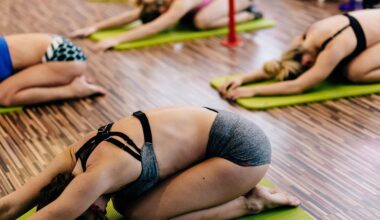
Flexibility is often overlooked but plays a crucial role in fall prevention for seniors. Enhanced flexibility can contribute significantly to improved coordination and balance. Through dedicated stretching routines, seniors can maintain a better range of motion in their joints, which is essential for smooth and controlled movements. Incorporating stretches for major muscle groups assists in decreasing tightness, which can lead to falls. Effective stretches include calf stretches, hamstring stretches, and shoulder stretches, which help maintain flexibility throughout the body. Additionally, participating in yoga or Pilates classes can promote both flexibility and core strength, providing a comprehensive approach to fitness. These activities encourage seniors to listen to their bodies, recognizing their limits while gradually improving their capabilities. Caring instructors can ensure that seniors perform stretches safely, reducing the risk of injury and promoting confidence during physical activities. Adequate flexibility also positively impacts seniors’ overall functional mobility, allowing for more independence in daily tasks. As flexibility improves, seniors may find it easier to maintain balance and control, further reducing the risk of falls. This approach integrates flexibility training into a broader fitness plan ensures maximum benefits all around.
Coordination training specifically targets the ability to control movement effectively, improving stability in seniors. Incorporating coordination drills into regular exercise routines can enhance motor skills and decrease fall risk. Activities that involve hand-eye and foot coordination can reinforce balance by stimulating neuromuscular connections. Gentle activities like catching a ball, stepping sideways, or balance exercises on unstable surfaces can be incredibly beneficial. Activities such as dancing or playing specific games also encourage coordination while providing a social aspect to fitness. Regularly challenging coordination can result in a noticeable improvement in confidence and control during daily activities. Furthermore, senior-friendly classes dedicated to coordination can offer a structured setting for skill development. Keeping sessions varied and engaging ensures that seniors remain motivated to participate long-term. Establishing a routine that incorporates diverse coordination exercises enables better adaptation and resilience. Family members can also encourage participation by creating fun, interactive activities that promote coordination outside structured workouts. Ultimately, fostering an environment that emphasizes coordination improvement will also yield sustained benefits for seniors, both physically and emotionally, helping maintain independence and a more active lifestyle.
Community Resources and Support
Leveraging community resources is vital for enhancing coordination and preventing falls among seniors. Many communities offer programs aimed at promoting senior fitness, coordination improvement, and fall prevention strategies tailored to this demographic. Local fitness centers and senior community centers often host classes focused on balance, strength, and flexibility. Additionally, many healthcare providers offer personalized fitness assessments to create customized exercise plans. With the help of qualified professionals, seniors can receive guidance on suitable exercises while receiving ongoing support. Local non-profits may provide access to transportation services, allowing older adults to attend fitness classes and social activities more easily. Moreover, programs designed to foster peer interaction strengthen motivation and accountability during fitness routines. Online resources and virtual classes can also expand access to a variety of exercises that promote coordination and fall prevention. Seniors who are hesitant to join group classes can benefit from online options while still enjoying community engagement. By connecting with local resources, seniors can enhance their fitness journey, ultimately leading to improved coordination, greater confidence, and a reduction in fall risks.
Regular monitoring and assessment of fitness levels are crucial for seniors as they undertake coordination exercises. Periodically evaluating progress allows seniors to identify improvements while highlighting areas that require further attention. Goal setting can foster a sense of achievement and motivation, as tangible progress becomes evident. By maintaining open communication with health professionals, seniors can receive tailored advice regarding their fitness routines, ensuring they effectively address individual needs. Moreover, assessment can help determine whether specific exercises are suitable or whether adjustments should be made. Family and friends can encourage this assessment process by participating in workouts or activities together, fostering a supportive environment. Working with qualified trainers can also ensure that fitness levels remain appropriate as seniors progress, ultimately reducing the risk of injury. Keeping track of improvements in coordination and strength can instill greater confidence in seniors over time. Ultimately, consistent monitoring helps seniors understand that they are taking control of their health. As they gain confidence in their abilities, many seniors may take on additional challenges, cementing their commitment to fall prevention and enhancing their quality of life.
To conclude, effective fall prevention in seniors requires a comprehensive approach that emphasizes coordination, balance, strength, and flexibility. By understanding the significance of these elements, seniors and their support systems can develop tailored strategies to improve overall health. A combination of exercises focused on functional fitness, strength training, and flexibility can significantly contribute to enhanced coordination. Community resources and support play a critical role in ensuring seniors have access to programs that promote healthy lifestyles. Regular monitoring of individual progress ensures ongoing improvement as seniors build their confidence. Family involvement can magnify the benefits of these strategies, encouraging consistency and long-term commitment. As seniors engage in these fall prevention techniques, they can experience not only a reduction in falls but also improvements in overall well-being. This multifaceted approach allows seniors to foster independence, maintain quality of life, and enjoy active participation in their communities. Ultimately, it is essential to view fall prevention not just as a necessity but as an integral aspect of healthy aging. Adopting a proactive stance on fitness helps ensure that seniors live healthier, longer, and more fulfilling lives.