
Pilates Core Strengthening for Better Balance
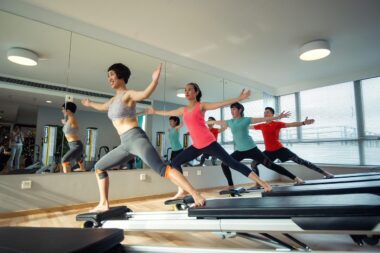
Pilates is a popular exercise method that focuses on strengthening the core muscles, which are essential for achieving better balance. Maintaining a strong core helps improve posture, flexibility, and overall body control, which is crucial in daily activities and various sports. This form of exercise emphasizes precise movements, ensuring that practitioners engage their core effectively with each repetition. As you develop your Pilates practice, targeting the core can lead to remarkable changes in your physical capabilities. A strong core supports the spine, contributes to improved balance, and minimizes the risk of injuries. Many individuals enjoy Pilates because of its gentle approach, making it suitable for people of all fitness levels. Whether you’re a beginner or an advanced practitioner, specific core strengthening exercises can help you gain stability during other workouts and activities. Examples include the hundred, leg circles, and teaser. Integrating these movements into your routine can show tremendous benefits over time. Incorporating breathing techniques during your sessions also enhances the effectiveness of your core work. This mindfulness element can further improve your overall exercise experience. Thus, Pilates is more than just an exercise; it’s a path to wellness.
The Importance of Core Stability
Core stability is vital for maintaining balance and preventing injuries, regardless of activity. The core muscle group consists of the abdominals, obliques, lower back, hips, and pelvic floor. These muscles provide foundation strength necessary for maintaining proper stability and balance. When the core is strong, it acts as a stabilizing force that supports the other muscles, allowing them to function optimally. Without sufficient core strength, movements may become less coordinated and less efficient, which can lead to misplaced movements and potential injury. Furthermore, carrying out exercises such as squats, lunges, and even walking becomes much easier with a stable core. Pilates specifically challenges the core in various ways, increasing strength and endurance through controlled training. Practicing regularly can yield significant improvements in functional strength, aiding athletic performance and daily activities. Many people notice enhanced performance in sports like running, cycling, or swimming after implementing core strengthening exercises into their routines. Regular Pilates practice for core stability can improve your overall fitness, offering lifelong benefits that extend to all aspects of movement and coordination.
To achieve strong core muscles, incorporating a variety of Pilates exercises into your routine is essential. Focus on movements that target the upper and lower abdominals, obliques, and transversus abdominis, which is crucial for stabilization. Utilizing props such as a stability ball or resistance band can heighten the challenge and engagement of your core. Core-focused Pilates exercises include the plank, side plank, and bridges, each fostering connection among various muscle groups. When performing these exercises, it’s essential to maintain proper alignment and engage your core throughout. The goal is not only to lift your body but to stabilize it during movement. Concentrating on your breathing enhances the connectivity between breath and movement, amplifying the benefits gained from each session. Moreover, combining light weights with Pilates movements can further develop core strength while increasing overall muscle engagement. For beginners, it’s advisable to start slowly, gradually increasing intensity while respecting body limitations. Ensuring consistency in your practice will facilitate progress over time, leading to a stronger core and better balance. In conclusion, a robust core enhances health, fitness, and overall functionality.
Exercises for Better Balance
Specific Pilates exercises are designed to enhance core strength and subsequently improve balance. Consider incorporating movements such as the boat pose, wherein you sit on your sit bones, lift your legs, and hold the position while engaging your core. This exercise is straightforward yet effective in building endurance across your internal and external core muscles. Another great exercise is the single-leg stretch, which targets the abdominals while requiring balance and coordination. While performing this exercise, focus on maintaining stability through your core. Additionally, the rolling like a ball exercise promotes spinal mobility, enhances balance, and challenges the control over your center. A consistent routine would be beneficial in mastering these movements over time, therefore enabling greater stability in your day-to-day activities. Some might also find the crisscross exercise an advantageous way to challenge their obliques while requiring balance. Lastly, the mermaid stretch is an excellent addition, offering benefits for both flexibility and core strength. These exercises amalgamate strength, balance, and coordination, making them an integral aspect of a well-rounded Pilates practice that focuses on core strengthening.
As you advance in your Pilates journey, it’s crucial to listen to your body and acknowledge the importance of rest and recovery. Overworking your core muscles can lead to fatigue and potential injury, counteracting any benefits gained from your efforts. Thus, ensuring adequate recovery days enhances overall muscle functionality and promotes growth. Consider mixing Pilates sessions with low-impact activities, such as walking or swimming, which offer balance without strain on your core. Incorporating flexibility-focused exercises, like yoga or stretching, into your routine can aid recovery while balancing strength with flexibility. Moreover, hydration and proper nutrition play a role in muscle recovery, making them vital aspects of an effective practice. Eating protein-rich meals post-workout supports muscle repair and growth while staying hydrated helps maintain optimal muscle function. Furthermore, consider engaging a certified Pilates instructor, especially if you’re new to the discipline. Expert guidance can help identify the best exercises tailored to your current fitness level, preventing injury while maximizing damage. The journey toward improved balance and core strength is personal but immensely rewarding. Stay focused on your goals, and enjoy the process of transformation.
Measuring Progress in Core Strength
Tracking your growth in core strength doesn’t have to be complicated. Begin by noting your improvements in flexibility, endurance, and overall balance, which are direct indicators of core stability. You may consider timing how long you can hold poses such as the plank, which is an excellent measure of core strength. Likewise, evaluate your performance in exercises like the boat pose, gradually working toward holding the position longer as your strength increases. Performing a simple balance test, like standing on one leg with eyes closed, can reveal how your core supports stability. Use a journal or an app to track your progress, noting both qualitative and quantitative improvements. Another option for measuring your core strength is to record reps over time. This allows you to observe how many repetitions you can manage as your workouts increase in complexity. Celebrating small victories over time adds motivation, fostering a commitment to your Pilates practice. This feedback loop encourages ongoing engagement and dedication as you work towards better balance and overall fitness enhancements through core strengthening exercises.
In conclusion, classes or sessions focused on Pilates core strengthening are a transformative practice that promotes better balance and stability. By integrating specific exercises dedicated to strengthening, you will improve your functional fitness, enabling you to navigate daily tasks with great ease. Engage consistently in mindful practice, emphasizing proper form, alignment, and controlled movements. The core serves as the foundation for almost every activity, providing essential support to lifts, pushes, and any movement that requires stability. The skills learned in Pilates can extend beyond the mat, impacting other physical activities, from sports to simple household tasks. Establishing a strong core leads to enhanced athletic performance and significantly decreases injury risk, resulting in a more enjoyable exercise experience. By emphasizing the connections between breath, focus, and movement, Pilates offers valuable life skills transferable to many aspects of life. Practicing with intention can create lasting change over time, significantly improving your physical capabilities. Additionally, remember that every journey requires patience and perseverance. So, embrace each step, and pave the way towards a healthier, more balanced, and resilient body.
Conclusion
Pilates core strengthening is not only vital for improving balance but also contributes to overall health and fitness, emphasizing the body-mind connection. The holistic nature of this practice allows individuals to build confidence in their bodies, ultimately leading to enhanced well-being. Whether you are a beginner or seasoned practitioner, the core is the foundation on which all movements lie. Investing time and effort into developing your core will yield significant benefits in various aspects of life. As your core grows stronger, so too will your balance, agility, and overall physical performance. Therefore, incorporating these core-focused Pilates exercises into your routine will provide tremendous advantages, helping you navigate fitness with confidence. Remember, Pilates is a lifelong journey of learning, development, and self-discovery that extends beyond the confines of a studio. Begin today, commit to the process, and experience the positive effects of improved core strength on your balance and daily movements. Make consistent practice a priority, and witness the transformation in your posture and stability as you traverse your own unique journey.