
Plyometric Training in Dance: Enhancing Vertical Jump and Endurance
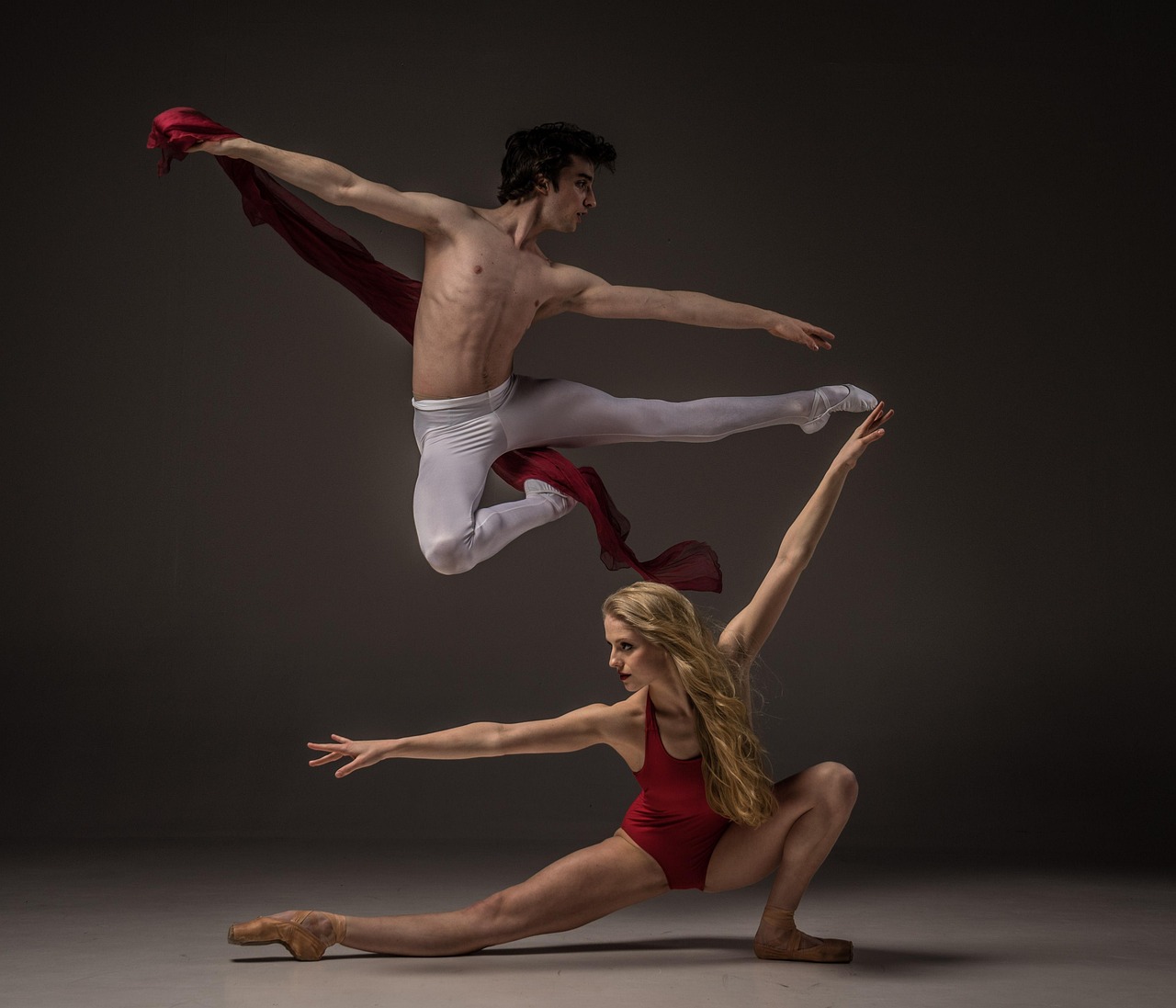
Plyometric training enables dancers to enhance their performance significantly, focusing on vertical jump height and endurance. This type of training involves exercises that utilize explosive movements to develop muscle power. By incorporating various plyometric drills, dancers can improve their jumping skills, allowing them to execute intricate choreography effectively. A well-structured plyometric program will include a mix of jumping and bounding exercises that target the lower body muscles, crucial for achieving the necessary height in jumps. Dancers commonly perform exercises such as box jumps, depth jumps, and tuck jumps to increase their explosive power. It’s not just about height; endurance plays a pivotal role too. Maintaining energy levels through a demanding dance routine is essential, and plyometric training helps build that stamina. Moreover, dancers benefit from increased body awareness that can be achieved through these drills, contributing to overall dance technique improvement. Such training should be carefully tailored to individual needs, ensuring that dancers can progress at their own pace while minimizing injury risks. Combining plyometrics with proper dance conditioning creates a comprehensive training regimen, ultimately enhancing overall performance and artistic expression.
Among the various plyometric exercises, box jumps are particularly beneficial for dancers seeking to boost their vertical jump. Box jumps involve jumping onto a raised platform, which not only increases jumping power but also enhances stability and balance. By slowly increasing the height of the box, dancers can progressively challenge themselves. Each training session can include multiple sets of box jumps, focusing on proper landing technique and explosive takeoff. This exercise engages key muscle groups, including the quadriceps, hamstrings, and calves, all of which are vital for maximizing vertical leap ability. In addition to the power gained from box jumps, dancers experience an increase in confidence while performing jumps during routines. Incorporating a variety of jumping drills helps to maintain motivation and interest in the training process. Another effective exercise is the depth jump, where dancers step off a box and immediately jump upon landing. This drill focuses on reactive strength, training the body to produce force quickly. It can be modified depending on the dancer’s experience level, ensuring all participants remain engaged. Plyometrics not only prepares dancers physically; it molds them mentally, empowering them to achieve more challenging dance heights.
The Importance of Endurance in Plyometric Training
Endurance is another factor that plyometric training impacts effectively. Dancers must endure long rehearsals and performances where they consistently perform complex movements. Therefore, developing muscle endurance is just as crucial as increasing explosive power. Plyometric exercises like lateral jumps and bounding help build workout stamina while requiring less rest between sets. These intense drills enable dancers to maintain performance quality throughout lengthy sessions, effectively improving their aerobic capacity. High-repetition plyometric training, when properly programmed, results in muscular adaptations that support sustained activity without fatigue, thus allowing dancers to maintain their artistic expression over time. Additionally, plyometric training elevates heart rates significantly, promoting cardiovascular health, accompanying muscle development. Combining plyometric exercises with traditional endurance training can maximize results. Examples of this integration could be interval training or circuit-style workouts that alternate plyometric movements and aerobic activities. This approach prepares dancers for unexpected demands during performances, enhancing their ability to respond quickly and maintain energy levels. Additionally, increased endurance translates directly to reduced injury risk due to improved muscle resilience, allowing dancers to remain injury-free while pursuing those high-impact movements that characterize their unique art form.
In developing a sport-specific plyometric program for dancers, trainers should consider individual performance goals and current fitness levels. Customization ensures exercises align appropriately with the technical skills and physicalities essential for each dancer. For instance, younger or less experienced dancers may focus more on foundational movements, emphasizing form and technique before progressing to higher intensity drills. This individualized approach allows performers to grow in their power and efficiency safely. Incorporating strength training alongside plyometrics can also help enhance performance. Utilizing flexibility training remains crucial, as flexible muscles perform better under dynamic conditions, supporting explosive movements during dance routines. Trainers should include flexibility workouts within the training framework to promote overall bodily awareness and readiness. Advanced dancers can incorporate advanced plyometric variations, emphasizing speed and technical precision. This might include more complex drills that mimic movements specific to their dance style. Regular assessments of progress help in adjusting training programs accordingly while keeping the goal of elevating performances in focus. Through consistent dedication to a well-planned plyometric regimen, dancers can elevate their abilities and ensure they express themselves fully on stage.
Injury Prevention through Plyometric Training
Injury prevention is a crucial aspect that plyometric training subsequently enhances. Dancers are subjected to repetitive stress from performing high-impact movements. Thus, incorporating plyometric exercises becomes beneficial in mitigating this risk. Properly executed plyometrics can enhance muscle strength, flexibility, and neuromuscular coordination, which collectively contribute to injury prevention. Engaging in low-impact plyometric variations initially allows dancers to acclimate to the forces involved without overwhelming their bodies. Exercises like low-level jumps will enable muscle strengthening and event preparation. Education on landing techniques plays a pivotal role in executing jumps safely and effectively. Trainers focus on dissipating forces through controlled landings by adopting proper body mechanics. Improving hip, knee, and ankle stability is a focus as they are integral for dances requiring jumps and intricate footwork. By paying keen attention to technique, dancers can develop their muscular systems to withstand rigorous training demands. Another focal area includes regular recovery methods post-training to allow for muscle repair and relaxation. These combined efforts enhance resilience and prevent injuries, creating a safer dance environment. Thus, the integration of plyometric training solidifies not only skill enhancement but injury risk reduction.
To ensure effective plyometric training, dancers need to adhere to a structured warm-up routine before sessions. Warming up helps prepare their muscles for the explosive work ahead, and proper preparation can significantly lessen injury risks. Dynamic stretching drills, light jogging, or mobility exercises help increase blood flow to the muscles and cardiovascular system. A good warm-up promotes better performance during the plyometric phase. The transition from warm-up to more rigorous plyometric work should be gradual. Dancers should focus on controlled movements before moving to more explosive actions. Each plyometric session should include a proper cool-down phase, allowing muscles to recover. It provides time for relaxation and stretching, ensuring that muscle stiffness does not accumulate post-training. Nutrition and hydration are also vital components of recovery and performance. Dancers must maintain a balanced diet, providing energy for workouts and reflecting on their training outcomes. Regular assessments of their progress keep motivation high and allow for adjustments where necessary. Ensuring that a well-rounded approach to plyometric training supports overall dance objectives results in a comprehensive enhancement of the dancer’s capabilities, ensuring both health and performance thrive.
Concluding Thoughts on Plyometric Training
Plyometric training offers invaluable benefits for dancers aimed at enhancing strength, endurance, and injury prevention. Through carefully structured programs, dancers can witness improvements in their vertical jumps while also developing the stamina necessary for demanding performances. The art of dance requires a unique blend of power and elegance, emphasizing the importance of tailored plyometric exercises. By integrating various styles of jumps and explosive movements, dancers can target specific muscle groups relevant to the demands of their dance genre. Not only do they build physical capabilities, but plyometric exercises additionally nurture mental toughness and confidence. Furthermore, recognizing the role of recovery and nutrition creates sustainable progress patterns within a dancer’s training regimen. In conclusion, adopting a well-rounded plyometric program is essential for any serious dancer. It will be crucial to their performances, health, and enjoyment of the dance. Fostering physical resilience through such engagement empowers dancers to surpass their limits, creatively expressing themselves on stage. Ultimately, prioritizing these approaches will contribute not only to personal goals but also elevate the standards of dance performance.
Plyometric training enables dancers to enhance their performance significantly, focusing on vertical jump height and endurance. This type of training involves exercises that utilize explosive movements to develop muscle power. By incorporating various plyometric drills, dancers can improve their jumping skills, allowing them to execute intricate choreography effectively. A well-structured plyometric program will include a mix of jumping and bounding exercises that target the lower body muscles, crucial for achieving the necessary height in jumps. Dancers commonly perform exercises such as box jumps, depth jumps, and tuck jumps to increase their explosive power. It’s not just about height; endurance plays a pivotal role too. Maintaining energy levels through a demanding dance routine is essential, and plyometric training helps build that stamina. Moreover, dancers benefit from increased body awareness that can be achieved through these drills, contributing to overall dance technique improvement. Such training should be carefully tailored to individual needs, ensuring that dancers can progress at their own pace while minimizing injury risks. Combining plyometrics with proper dance conditioning creates a comprehensive training regimen, ultimately enhancing overall performance and artistic expression.