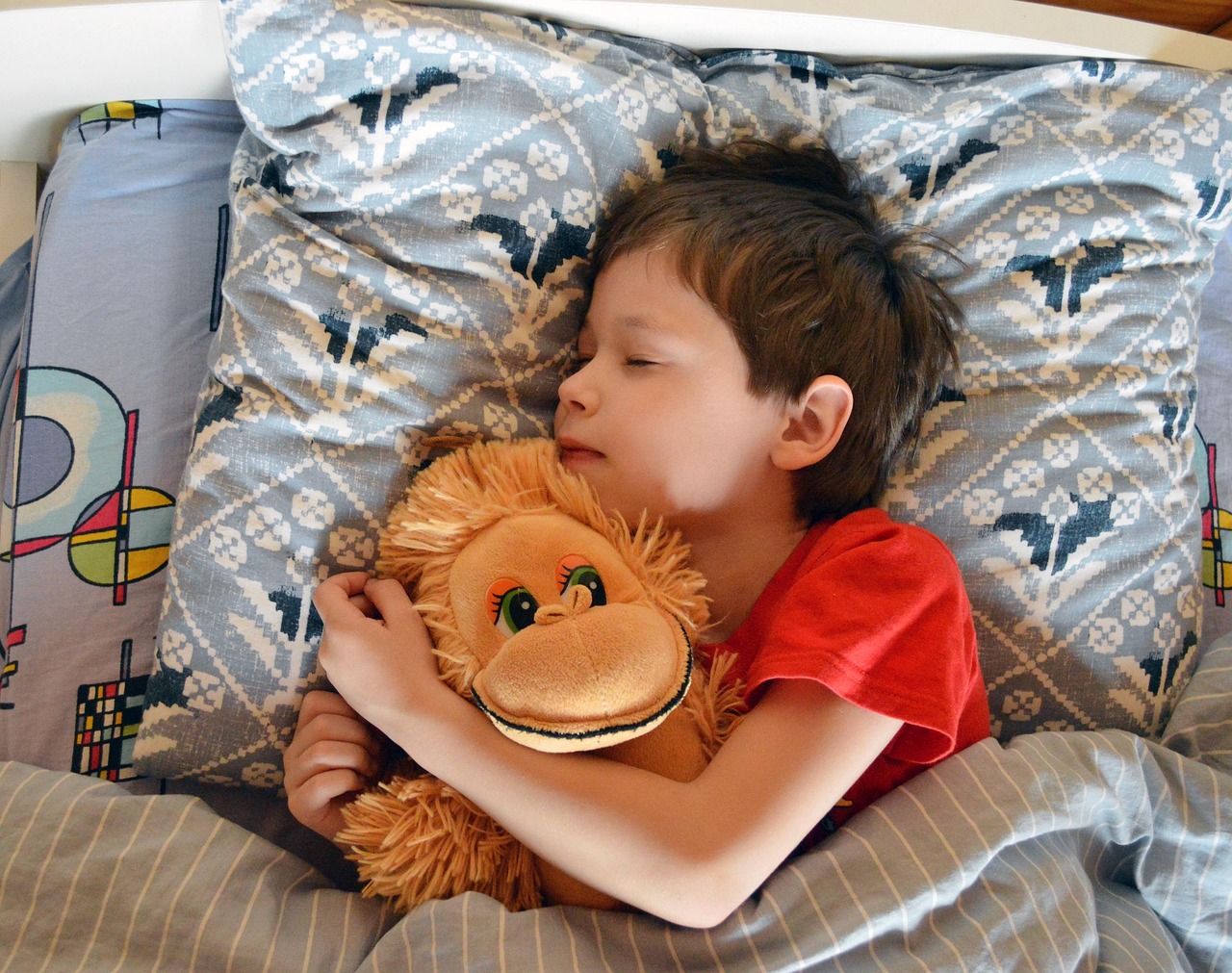

Sleep Duration Recommendations for Active Children and Teens
Sleep plays a vital role in the overall health and well-being of children and teens. For active youth, getting adequate sleep is essential for physical growth, cognitive function, and emotional stability. According to experts, sleep affects performance, learning potential, and mood. Research suggests that children aged 6 to 13 years require about 9 to 11 hours of sleep per night, while teenagers aged 14 to 17 require approximately 8 to 10 hours. These recommendations are crucial for those engaged in physical activities, as insufficient sleep can lead to fatigue, decreased concentration, and increased risk of injury. Establishing a sleep routine is one effective strategy for ensuring that kids and teens get the recommended amount of rest. A consistent bedtime, along with a calm pre-sleep environment, fosters better sleep quality. Parents should encourage their children to prioritize sleep and recognize its importance, especially during busy school semesters and extra-curricular activities.
The impact of sports and physical activities on children’s sleep patterns cannot be ignored. Children engaged in sports often experience altered sleep needs due to higher energy expenditure. Exercise raises the body temperature, and sleep-wake cycles may be disrupted, leading to challenges in falling asleep. It is essential to monitor how much sleep your children get alongside their physical commitments. Active children may experience longer periods of sleep and earlier bedtimes while requiring extra hours on weekends to bounce back from fatigue. Understanding sleep cycles—specifically REM and non-REM sleep—can provide insights into how exercise affects sleep. Deep sleep aids in muscle recovery, making it necessary for young athletes to rest adequately after vigorous training. Additionally, parental involvement in setting boundaries around late-night activities can ensure children achieve the necessary sleep duration. Encouraging habits such as winding down before bed and minimizing screen time can support healthier sleep patterns.
The Role of Technology
With the dominance of technology in today’s world, children and teens are increasingly exposed to screens that may disrupt healthy sleep habits. Devices like smartphones, tablets, and computers emit blue light, which interferes with melatonin production, a hormone essential for sleep regulation. It’s crucial for parents to implement ‘digital curfews’ where screen time is restricted at least an hour before bedtime. Creating a tech-free bedroom environment can help to promote better sleep hygiene. Encouraging the use of physical books or quiet activities before bed can help children transition into sleep mode. Parents can also model healthy tech habits by limiting their own screen time in the evenings. Educational resources can be provided to help families understand the effects of screen time on sleep quality. Building awareness around the negative impact of technology before bedtime is imperative for fostering a culture that values sleep among children and teens.
Nutrition is another crucial factor that influences sleep durations among active children and teens. What children eat significantly affects their sleep quality, affecting their ability to perform during the day. Inadequate nutrition can lead to sleep disturbances and issues like insomnia. Consuming balanced meals rich in vitamins, minerals, and proteins is essential for optimizing sleep health. Foods containing magnesium, such as leafy greens and nuts, can induce sleepiness, while carbohydrates can promote tryptophan, which helps produce melatonin. Parents should focus on providing wholesome meals throughout the day to create a sense of routine and stability. Furthermore, encouraging hydration without leading to nocturnal bathroom trips is important. A diet rich in fruits, vegetables, and complex carbohydrates helps ensure that kids remain well-nourished, contributing positively to sleep cycles. Understanding the link between nutrition and sleep can empower families to make healthier choices.
Physical Activity and Rest
Physical activity is undeniably linked to improved sleep outcomes. Active children not only tend to fall asleep faster but also enjoy deeper sleep. Regular participation in sports and physical exercise significantly promotes healthy sleep patterns. Engaging in at least one hour of moderate to vigorous physical activity daily has been shown to benefit sleep quality. Moreover, physical activity can alleviate stress, anxiety, and restlessness, improving children’s mental health. However, timing matters; exercising too close to bedtime can be counterproductive. Ideally, children should finish intense exercise several hours before bedtime. Coordinating schedules to allow for ample recovery time is essential. Parents are encouraged to foster a love for physical activities and ensure children connect with their passions. Sports not only contribute to physical fitness but also to better sleep—a win-win for personal development.
Understanding individual sleep needs is crucial, as every child is unique and may require different sleep amounts. Pay attention to your child’s behavior; irritability and fatigue might indicate a lack of rest. Some children thrive on the recommended hours, while others may require more. Active involvement in monitoring sleep duration helps parents identify patterns and make necessary adjustments. Regular check-ins can encourage children to express their feelings, supporting effective communication about their sleep challenges. Educating them about why sleep matters can instill better habits early on. Encourage children to learn about their biological clocks, emphasizing the importance of knowing when they feel at their best. Promoting a continuous feedback loop where sleep feedback is actively welcomed can help improve the child’s sleep experience over time.
Promoting Good Sleep Hygiene
To ensure optimal sleep for children and teens, parents need to establish consistent sleep routines. Setting a designated bedtime and wake-up time promotes a sense of security while regulating body clocks. Implementing calming pre-sleep rituals, such as reading or light stretching, sets the tone for a pleasant night’s sleep. Creating an inviting sleep environment where room temperature, darkness, and noise levels are accommodating can play a significant role in developing healthy sleep habits. Strategies such as restricting caffeine intake in the afternoons also mitigate sleep disruption. Creating cooperative communication around agreements for adhering to sleep rules is essential. Engaging children in developing their sleep strategies fosters independence and responsibility. As bedtime progresses, having open discussions about their daily activities and associated challenges can contribute positively. Ensuring children recognize sleep as a priority lays the groundwork for healthier futures.
In conclusion, prioritizing sleep is essential for the health of active children and teens. Adequate sleep contributes to physical, emotional, and cognitive well-being, influencing academic performance and athletic prowess positively. Parents must be proactive in providing environments that facilitate good sleep hygiene, including nutrition, exercise, and routine. Instilling healthy habits at an early age allows children to develop lifelong skills related to wellness. Furthermore, engaging in open dialogues about the importance of sleep cultivates a positive culture that values health. Encouraging children to adhere to sleep guidelines while becoming advocates for their sleep wellness empowers them. Finally, recognizing when adjustments are needed helps caregivers to be effective in monitoring your child’s sleep health, ensuring they grow into healthy adults. By taking these steps together, families can navigate the complexities of children’s sleep patterns, ultimately fostering a generation that appreciates the significance of restorative sleep.