
The Impact of Cycling on Tourism and Local Economies
Cycling has emerged as a vibrant conduit for tourism, significantly influencing local economies across the globe. Its impact on tourism extends beyond merely outdoor recreation, as it cultivates a unique cultural experience for visitors. Cyclists often seek routes that offer breathtaking scenery, cultural landmarks, and local hospitality. Consequently, destinations that prioritize cycling infrastructure, such as dedicated bike lanes, repair shops, and rental services, become increasingly appealing to travelers. These enhancements attract diverse groups, from casual riders to serious athletes, thereby generating substantial income for local businesses. Additionally, events like cycling tours and races create opportunities for community engagement and entertainment, significantly boosting the local economy. Hotels, restaurants, and local shops thrive as they cater to the needs of cyclists, providing necessities such as meals, lodging, and gear. The growth of cycling tourism fosters an ecosystem in which diverse sectors can flourish. Areas rich in historical significance or natural beauty particularly benefit, drawing in those seeking to immerse themselves in local culture while enjoying the health benefits cycling provides. As awareness continues to grow, so does the cycling economy’s relevance to sustainable tourism practices.
The environmental benefits of cycling align with tourism trends aimed at reducing carbon footprints while promoting healthy lifestyles. Tourists, nowadays, are often looking for eco-friendly travel options. Cycling meets this demand by providing a low-impact mode of transport. Moreover, it encourages visitors to explore less-traveled paths, allowing for a more intimate connection with the local environment and community. This shift towards sustainable practices can elevate a region’s reputation as a green destination. Local economies gain from this transition, as increased cycling tourism can lead to a resurgence in eco-conscious spending. By investing in bike trails and promoting cycling events, regions can encourage sustainable tourism models. Cities like Amsterdam and Copenhagen exemplify how cycling can integrate seamlessly into the urban landscape. The focus on bicycles over cars significantly reduces traffic congestion and pollution. In turn, this type of tourism promotes local businesses that prioritize sustainability, creating jobs and generating revenue. Additionally, municipalities benefit from lower maintenance costs associated with bike paths compared to expansive roadway infrastructure. Ultimately, embracing cycling as a means of transportation not only enhances visitor experience but also bolsters regional economic sustainability.
Cycling Events and Local Engagement
Organized cycling events, from races to community rides, create unique opportunities for local engagement and tourism. These events not only attract participants but also spectators, amplifying a community’s visibility and appeal. They foster a sense of unity among locals, showcasing the area’s natural beauty and cultural attractions. Through event promotion, towns can highlight local artisans, food, and attractions, turning casual riders into potential long-term visitors. Cycling festivals commonly included local vendors, showcasing authentic regional products, thus stimulating the local economy. Restaurants may promote cyclist-friendly menus, further encouraging spending. These gatherings extend beyond the cycling community, drawing attention from various media sources, which can boost tourism even more. With social media playing a pivotal role in today’s advertising landscape, successful cycling events often gain broader recognition, resulting in higher attendance rates and local economic benefits. These events also inspire collaboration among stakeholders, including tourism boards and local businesses, ensuring everyone works together towards common goals. Overall, cycling events create a vibrant atmosphere that honors the local culture, enhances visitor experience, and strengthens community relationships.
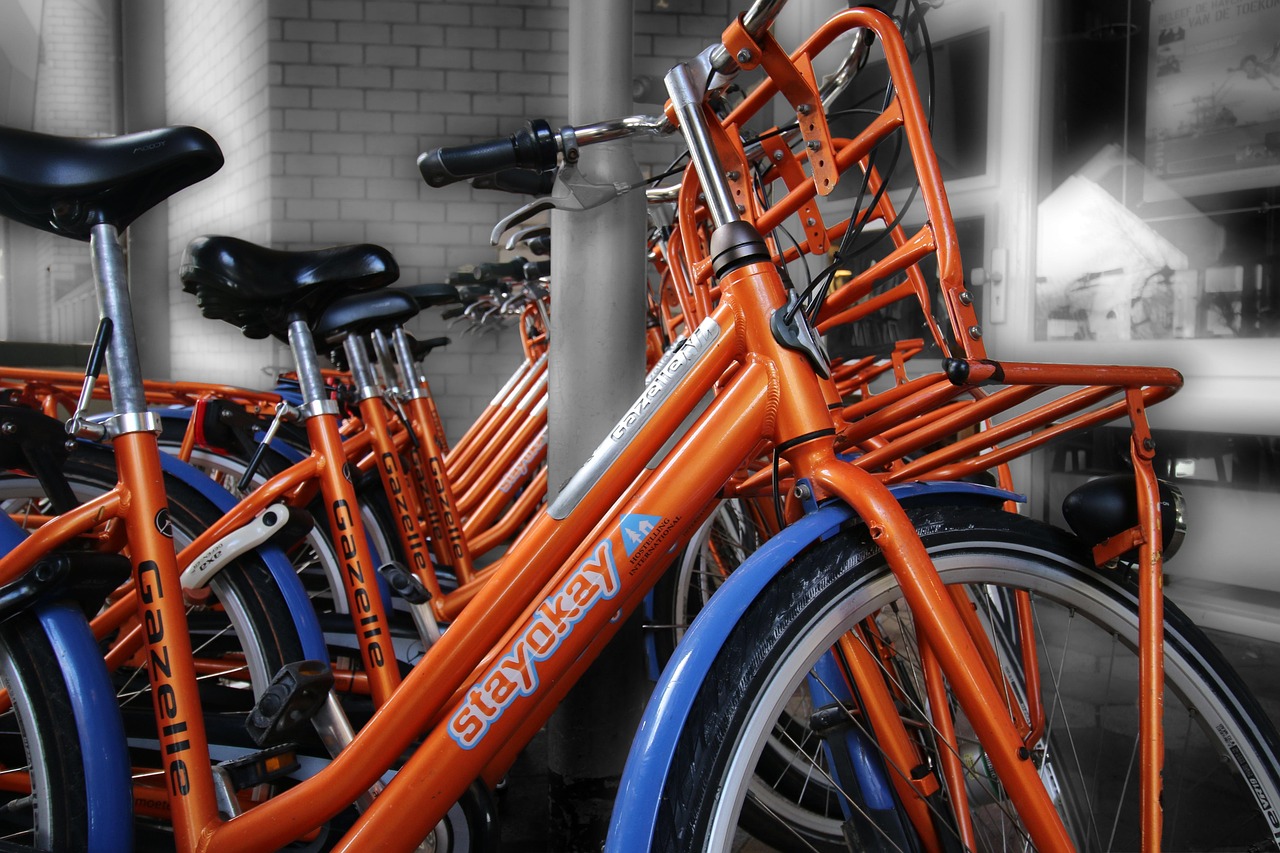
Moreover, cycling infrastructures such as bike-sharing systems and marked paths significantly contribute to enhancing tourism and the local economy. Well-planned bike lanes facilitate safe cycling, thereby attracting both casual riders and serious tourists looking for exploration. Bike-sharing systems reduce transportation barriers for visitors, encouraging them to experience the city and its attractions conveniently. This accessibility is vital, as tourists are more likely to spend money on local shops and attractions when cycling becomes a feasible option. Furthermore, bike pathways are often integrated into urban planning, resulting in improved air quality and a heightened sense of community. Cities adopting bike-oriented designs often experience increased visitation rates. This leads not only to direct economic benefits but also to improved public health outcomes. Investments in cycling infrastructure can stimulate job creation in various sectors, such as tourism, retail, and hospitality. Enhanced cycling routes often lead to property value increases, benefiting local homeowners while attracting new businesses. As cities strive to create welcoming environments for both cyclists and tourists, the symbiotic relationship between cycling infrastructure, tourism, and economic progress becomes increasingly evident.
The Future of Cycling Tourism
As cycling continues to gain traction as a popular mode of transport, the future of cycling tourism looks bright. Trends indicate an increasing number of travelers prioritizing experiences over traditional destinations. Cycling offers an incredible way to immerse oneself in a new area, presenting travelers with unique opportunities for adventure. This shift in priorities opens new opportunities for tourism boards and local economies to adapt. By enhancing routes and facilities catering to cyclists, they can transform incidental visitors into dedicated cycling tourists. Organizations devoted to promoting cycling-friendly initiatives are on the rise, equipping municipalities with valuable resources for increasing appeal and accessibility. The demand for cycling-based travel packages is expanding rapidly, with more companies offering guided tours that emphasize local culture and history. This approach allows visitors to experience the true essence of a region while fostering a wealth of cultural exchanges. Establishments that understand these trends can position themselves effectively within the burgeoning cycling tourism sector. As touring cyclists become more selective in their destinations, communities prioritizing inclusive routes and amenities stand to benefit significantly in the evolving economic landscape.
Strong community support is crucial in fostering the growth of cycling tourism. Local governments and organizations must prioritize the needs and preferences of cyclists to realize the full potential of this burgeoning market. Furthermore, community involvement can help create programs promoting cycling culture within local schools, encouraging younger generations to embrace cycling as a regular activity. Schools and organizations can collaborately promote cycling through workshops, races, and other events. This educational approach fosters a greater appreciation for cycling’s economic and health benefits. Moreover, an empowered community invested in cycling contributes to a positive perception of the area among visitors. Tourists are more likely to explore locations highly regarded for their cycling culture and local support. Local advocates can facilitate initiatives that draw visitors, such as bike festivals and cycling workshops. To sustain interest in cycling tourism, ongoing training sessions and improvements in tourism strategies will be essential. Forming alliances between various stakeholders, including local governments, businesses, and civic organizations, will fortify a community’s commitment to creating an inviting atmosphere for cyclists and tourists alike.
As the world becomes more interconnected through technology, the potential for cycling tourism continues to expand exponentially. Digital platforms and apps facilitate planning and experiences for tourists seeking cycling routes, enhancing the overall visitor experience. As travelers increasingly rely on technology for travel arrangements, municipalities can leverage these advancements by creating digital resources and helpful guides for cyclists. Increased online visibility can lead to higher attraction rates for potential visitors. Social media has transformed the way travelers showcase their adventures, amplifying the effects of tourism campaigns for cities invested in cycling infrastructure. By engaging cyclists and creating shareable content, tourism boards can effectively highlight their offerings. Cycles are becoming an emblem of freedom and connection for new-age travelers, fueled by adventure and exploration. Moreover, educational opportunities are abundant, with online courses and workshops aimed at fostering cycling tourism skills among local businesses. These platforms inspire innovation in local product offerings and events catering to cycling tourists. By harnessing technology, communities can position themselves at the forefront of this booming tourism sector, creating memorable experiences for visitors seeking adventure on two wheels.
To sum it all up, the impact of cycling on tourism and local economies is profound and multifaceted. Local businesses thrive as cycling tourism expands, integrating seamlessly into community fabric. Therefore, municipalities should recognize the potential economic benefits cycling brings. Sustainable tourism practices can thrive through cycling, maximizing visitors’ experiences while uplifting local areas. The global shift towards eco-considerate travel aligns with cycling, keeping the economy flourishing with minimal environmental impact. As communities rally around cycling culture, the allure becomes a pivotal element in attracting tourists. Increased accessibility and infrastructure investment not only stimulate economic growth but also enhance quality of life for residents. The future of cycling tourism is indeed bright, with a promising outlook driven by innovation and collaboration among stakeholders. As more people turn to cycling as a preferred mode of exploration, local economies can pivot and adapt to this burgeoning market. Understanding cyclists’ needs and preferences will be crucial in ensuring their comfort and enjoyment. Ultimately, embracing cycling as a vital aspect of tourism will unlock a wealth of opportunities for communities eager to think green and grow.