
A Guide to Prenatal and Postnatal Pelvic Floor Care
The pelvic floor is crucial for supporting the bladder, uterus, and rectum. Many women experience issues postpartum that can lead to discomfort or dysfunction. Comprehensive pelvic floor care is necessary to restore strength and functionality. Understanding your body during this postpartum period can make a significant difference. Starting with gentle exercises, such as Kegel exercises, can help strengthen the pelvic floor muscles gently. It’s important to consult with a healthcare professional before starting any exercise regimen. Knowing when and how to perform these exercises allows you to recover safely. Additionally, focusing on breathing techniques can also enhance relaxation and support pelvic health recovery. Educating yourself on the body’s functions and potential changes is vital. Some women may experience symptoms like incontinence or pelvic pain, and addressing these concerns promptly can prevent further issues. Incorporating postpartum fitness classes focused on the pelvic floor can provide a supportive environment for recovery. Ultimately, listening to your body is key, and creating a thoughtful, individualized postpartum plan can lead to restoring pelvic health effectively and confidently.
Understanding the Importance of Pelvic Floor Recovery
Restoring pelvic floor function post-pregnancy is vital for overall comfort and well-being. Many new mothers may be unaware of the strength needed in their pelvic region to regain control after childbirth. Given that the pelvic floor undergoes significant stress during pregnancy and delivery, prioritizing recovery can greatly enhance physical health. Engaging in targeted exercise is fundamental to rebuilding muscle strength and coordination. Experiencing incontinence or tension may signal the need for further professional evaluation. Hence, understanding the rehabilitation process is essential. A physical therapist specializing in postpartum recovery can provide tailored exercises suitable for an individual’s unique needs. Furthermore, it is important to understand that every woman’s recovery journey is different and is influenced by various factors, including delivery method and overall fitness levels before pregnancy. Staying active helps maintain pelvic strength and alleviate pressure on the pelvic floor. Regular check-ups with a healthcare provider can guide and monitor progress, ensuring all recovery aspects are covered. Consistent attention and effort dedicated to pelvic floor recovery can significantly improve quality of life and foster better physical health.
Pelvic floor exercises are designed to strengthen the muscles that support pelvic organs. They can be performed easily at home, even while caring for a newborn. The key is consistency; making these exercises part of your daily routine can yield significant results. Many women underestimate the importance of these exercises, considering them low-impact. However, strengthening the pelvic floor can dramatically affect mobility, pelvic stability, and overall posture. Using educational resources such as videos or instructional literature can provide guidance on correct technique and muscle engagement. Initial attempts might involve identifying the right muscles, which could take some practice. Additionally, balancing these exercises with abdominal and back-strengthening workouts is essential. Incorporating a holistic fitness routine that includes cardiovascular and strength training while focusing on recovery can yield the best long-term results. Always remember to listen to your body and take breaks when needed. Many can benefit from incorporating mindfulness and relaxation techniques, enhancing overall wellness. Prioritizing pelvic health post-birth not only aids recovery but also contributes to a stronger foundation for future physical activities.
The Role of Professional Guidance
Postpartum care should be multi-faceted, involving professionals who can assist in recovery. Consulting with a physical therapist trained in pelvic health can provide tailored recovery strategies. They often employ specialized assessments to determine individual needs and develop personalized exercise programs. This approach can address specific issues like pelvic pain or urinary incontinence. Often, women may feel embarrassed to speak about these topics, which can prevent optimal healing. Engaging with professionals can help alleviate concerns and provide a framework for recovery. Moreover, educational workshops on pelvic health can empower women with knowledge on maintaining pelvic floor integrity post-pregnancy. Engaging with specialists ensures that women undergo safe practices suited for their specific recovery stage. For some, this may include manual therapy to break down scar tissue from delivery. Knowledge is invaluable, enabling women to understand both their bodies and the changes they experience, creating a dialogue that fosters healing. Community support groups can also enhance social interaction during the recovery phase, making the experience less isolated and more connected.
Nutrition plays a significant role in postpartum recovery, including pelvic floor health. A balanced diet rich in vitamins and minerals can aid muscle recovery and overall well-being. Focused nutritional choices can support the body as it heals, improving energy levels and promoting effective recovery processes. Incorporating whole foods such as fruits, vegetables, whole grains, and lean proteins contributes to enhanced stamina. Hydration, too, is vital; drinking sufficient water supports healing and helps prevent issues such as constipation, which can strain the pelvic floor. Additionally, some women may benefit from including pelvic floor-friendly foods like omega-3 fatty acids found in fish or seeds to assist muscle repair. Consulting with a nutritionist specializing in postnatal health can provide personalized dietary recommendations. Moreover, meal planning can relieve stress during the early postpartum months, allowing for better focus on health and recovery. Planning nutritious snacks along with meals can make a substantial difference when managing daily family duties. Stay informed and proactive about dietary needs during recovery to ensure robust pelvic floor rebuilding.
Incorporating Mindfulness and Relaxation Techniques
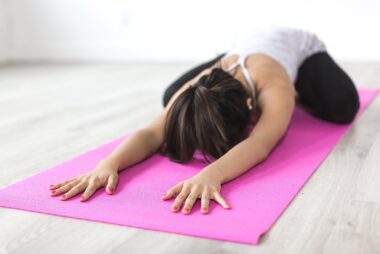
Practicing mindfulness and relaxation techniques can significantly benefit pelvic floor recovery. Stress management is essential, as high anxiety levels can contribute to tension in the pelvic floor muscles, exacerbating symptoms. Engaging in mind-body exercises, such as yoga or deep breathing exercises, can aid relaxation and stress reduction. These techniques can enhance your connection to your body, promoting awareness of muscle tension and relaxation techniques. Many new moms find solace in taking short moments each day to focus on calming practices. Even five or ten minutes of mindfulness can be beneficial, allowing emotional and physical benefits during recovery. Introducing practices such as meditation can also help create a positive mental space, establishing a conducive environment for healing. Additionally, these techniques can be performed while holding the baby, making them practical in daily life. Consider joining a local or online class to learn methods specifically designed for postpartum women, facilitating community support. Fostering emotional recovery alongside physical rehabilitation can significantly enhance health and well-being, enabling new mothers to feel empowered and connected.
Finally, measuring progress after initiating a pelvic floor care routine is vital to sustaining motivation. Keeping track of workouts, symptoms, and overall health enables women to identify patterns and improvements. If symptoms decrease or physical capability improves, this can reinforce a continued commitment to recovery practices. Sharing progress with a healthcare professional can offer accountability as well, and they can help adjust routines that best fit evolving needs. Importantly, recognizing that recovery is an ongoing journey sets realistic expectations and makes the experience more manageable. Engaging with support groups or online communities can provide additional encouragement, allowing women to celebrate successes together. Learning to celebrate small milestones can significantly boost morale and motivation. Moreover, posting progress or sharing experiences may inspire others on similar journeys. Women can empower each other by fostering understanding and connection through shared challenges. Staying adaptable in your fitness routine, nutrition, and relaxation practices ensures a well-rounded recovery approach. Finally, remember that strong pelvic floor support leads to improved quality of life, enabling women to embrace a new chapter postpartum.
Engaging in pelvic health workshops can also provide additional education and support. These workshops may include information about postpartum body changes, nutrition, and exercises tailored to individual needs, ensuring comprehensive care connections. Educating oneself not only helps in physical recovery but also enhances mental endurance during the postpartum phase. The more informed you are, the more empowered you become in taking charge of your recovery journey. Along with personal wellness practices, building a robust support network is crucial. Join groups, talk with other mothers, and share experiences; forging such connections can make the journey easier. The power of community can significantly enhance motivation and resilience in the face of postpartum challenges. Addressing pelvic health openly contributes to reducing stigma and increasing awareness. Varying recovery paths will yield different experiences depending on individual circumstances, including health prior to pregnancy and birth experiences. Therefore, the need for continuous learning and adaptation in exercises cannot be overstated. Finally, remember that your body has undergone many changes; patience and self-compassion are essential for a successful recovery to restore pelvic health. Engage positively through every milestone, and celebrate your journey.