
Chakra Meditation for Pain Management and Relief
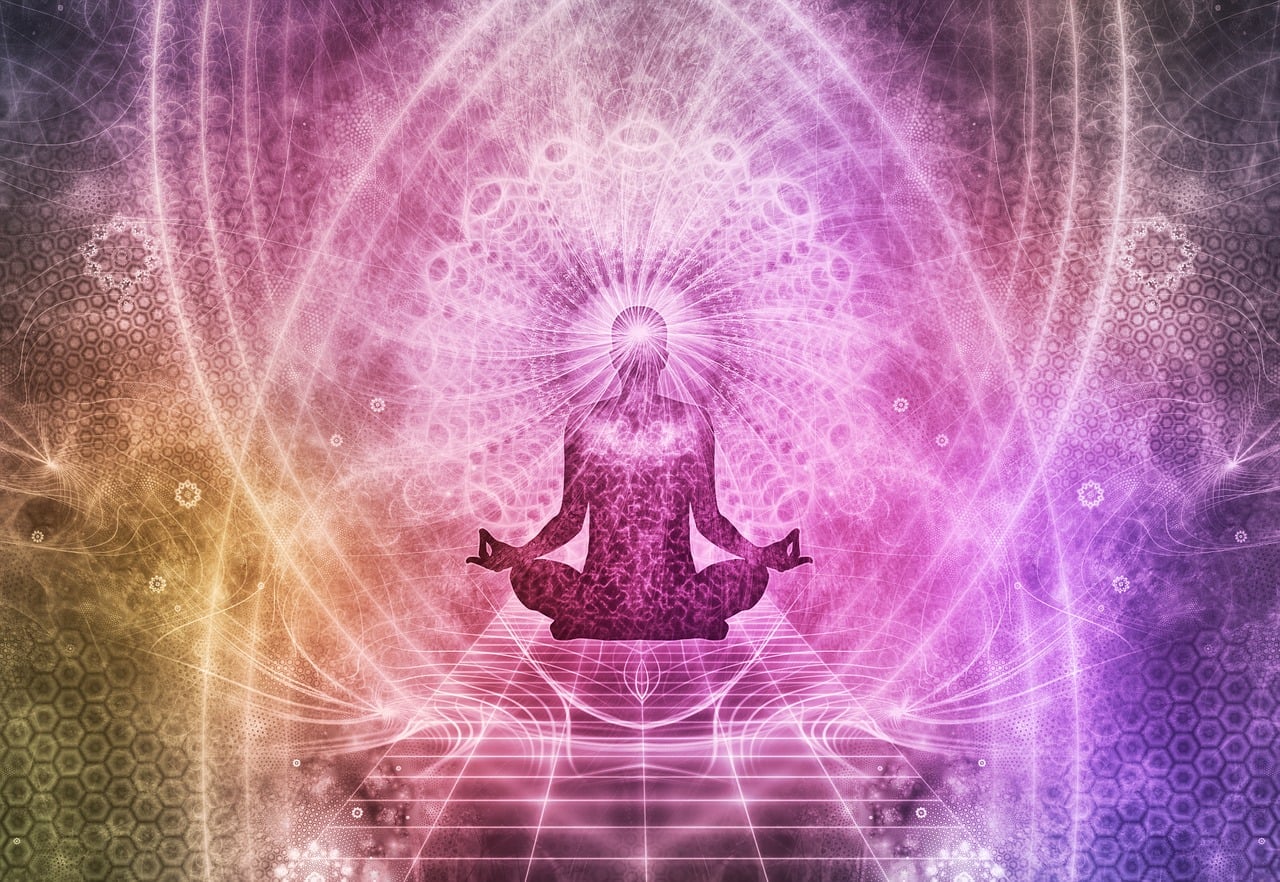
Chakra meditation is an ancient practice that combines elements of mindfulness and focused intention aimed at balancing the body’s energy centers. These centers, referred to as chakras, are believed to influence physical, emotional, and spiritual health. One notable benefit of chakra meditation is its ability to aid in pain management. Pain is a complex phenomenon that can have multiple sources, including psychological stress. Chakra meditation helps by promoting relaxation, reducing tension, and creating a deeper connection between mind and body. During this meditative practice, individuals focus on specific chakras associated with areas of discomfort, allowing them to channel healing energy. Techniques such as visualization or deep breathing are vital in this process, as they enhance the effectiveness of the meditation. Furthermore, by picturing the affected area bathed in healing light, one can significantly alleviate physical pain. Ultimately, chakra meditation serves as a complement to conventional therapies, supporting a holistic approach to wellness. As practitioners become more attuned to their body’s signals, they can develop proactive strategies for managing pain, enhancing their overall quality of life.
Firstly, understanding the seven main chakras is essential for effective chakra meditation. Each chakra is associated with different physical and emotional aspects of health. The root chakra, located at the base of the spine, governs feelings of safety and grounding. The sacral chakra, located in the lower abdomen, relates to creativity and emotional balance. Next, the solar plexus chakra is associated with personal power and self-esteem, while the heart chakra is tied to love and compassion. The throat chakra influences communication, enabling clearer expression of thoughts and feelings. The third eye chakra, positioned between the eyebrows, is linked to intuition and wisdom. Finally, the crown chakra, located at the top of the head, signifies spiritual connection and awareness. By meditating on these chakras, individuals can address specific issues within their bodies and minds. When pain arises, one can focus on the corresponding chakra to this discomfort. This targeted approach allows for greater clarity regarding the root causes of pain and can facilitate healing, both physically and emotionally, thereby improving one’s overall well-being.
Techniques for Effective Chakra Meditation
Engaging in chakra meditation involves various techniques that enhance its benefits, particularly for pain relief. One popular method is breath awareness, where practitioners focus on deep, rhythmic breathing. This form of meditation helps relax the body and mind, making it easier to access the energy within each chakra. Guided meditations, available through various resources, also support this practice by providing instructions focused on visualization and affirmations. During meditation, envisioning each chakra as a spinning wheel of light can help in channeling healing energy toward areas of discomfort. As individuals visualize, they should employ affirmations related to the chakra they are focusing on, reinforcing positive thoughts. For example, while working on the heart chakra, one might repeat, “I am worthy of love and compassion.” Additionally, sound can be incorporated, using specific frequencies or tones associated with each chakra. This auditory element enhances the vibrational quality of the meditation, allowing deeper penetration into those energy centers. Overall, integrating these techniques not only assists in pain management but also promotes holistic healing throughout the entire body.
Many individuals report significant improvements in their experience of pain through chakra meditation, but consistency is key. Practicing regularly can lead to more profound insights into one’s body and pain triggers. Setting aside time each day or several times a week to meditate can create a routine, making the benefits more pronounced. It’s essential to create a conducive environment for meditation, free from distractions and ideally filled with calming energy. Using essential oils or incense can also enhance the experience, as these scents can evoke serenity and promote relaxation. Moreover, incorporating gentle movements, such as yoga or tai chi, can serve as a physical warm-up to the meditation process. This practice not only prepares the body but also introduces energy flow through chakra alignment. Listening to your body is crucial during this process; if one area feels particularly tense or painful, devote additional time focusing on that specific chakra. Over time, individuals may develop a more intuitive understanding of their body and energy levels. This insight can foster effective coping mechanisms, resulting in improved resilience against pain and stress.
Addressing Emotional Pain Through Chakras
Chakra meditation is not only beneficial for physical pain but also addresses emotional pain and distress. Emotional experiences can manifest as chronic pain, tension, or discomfort across the body. It is essential to acknowledge these emotional layers during meditation, releasing suppressed feelings linked to particular chakras. For instance, the throat chakra often holds repressed communication and emotions, making it vital to vocalize feelings or engage in creative expression as part of the meditation process. Journaling can be an effective practice that complements chakra meditation; it allows individuals to process emotions and connect deeper with their feelings. When meditating, one can integrate a focus on gratitude or forgiveness, reshaping their relationship with emotional pain. Suppressed emotions may contribute to physical ailments, hence their release can lead to more significant healing. Guided imagery can play a role in this aspect by helping individuals visualize healing processes, emotional release, and the acceptance of difficult feelings. This combination of emotional exploration alongside traditional chakra meditation provides multifaceted insights, ultimately supporting a more comprehensive healing journey.
Another critical aspect of chakra meditation for pain management is understanding the importance of intention. Setting a clear intention at the beginning of a meditation session helps to focus energy and maintain mindfulness. Intentions can range from alleviating physical discomfort to fostering a more profound connection with oneself. For instance, one might state, “I intend to release all tension from my body during this session.” Keeping this intention in mind as the meditation progresses allows for deeper exploration and a more profound connection to the healing process. Additionally, visualizing the intention as energy permeating the chakra can amplify the effects further. Affirmations can enhance this practice, embedding the intention deeply into the subconscious. Integrating intention-setting practice does not stop at the meditation session; writing these intentions down can also create a roadmap to track progress and evolve one’s mindfulness journey. Ultimately, intention acts as a guiding star through the meditation experience, adding potency to the practice. In this way, chakra meditation becomes a powerful ally in pain management, allowing practitioners to harness their energy for healing.
Conclusion: The Holistic Benefits of Chakra Meditation
Chakra meditation offers multifaceted advantages not only for managing pain but also for enhancing overall well-being. By aligning body, mind, and spirit, individuals can cultivate a space for healing that transcends mere physical relief. This practice fosters a greater sense of self-awareness, paving the way for emotional and spiritual growth. People seeking natural pain relief options may find chakra meditation as a valuable addition to their wellness toolkit, often complementing traditional treatments. Moreover, practitioners often experience increased relaxation, as well as improved emotional resilience, creating a more rounded approach to health. As individuals dive deeper, they may uncover underlying emotional or psychological barriers influencing their pain experiences. Ultimately, chakra meditation serves as a powerful practice for those willing to invest time and energy into their healing journey. Its holistic approach can create lasting changes, engendering a deeper connection with the self and improving the quality of life. As one continues to explore and commit to this meditative practice, they can discover solutions to not only pain management but a more fulfilling existence.
Incorporating chakra healing into everyday life might start as a formal meditation practice, but it can evolve into a more integrated routine. For instance, individuals may find value in performing short meditative segments throughout the day, even in modest moments like during walks or while sipping tea. Visualization techniques can engage the chakras and foster mindfulness in these practices, ultimately enhancing energy levels and reducing stress. Additionally, embracing mindful breathing exercises or conscious pauses can create ongoing awareness, allowing practitioners to return to their center, even amid chaotic circumstances. As a result, these practices serve to shift focus from pain or discomfort to a state of peace. Connecting with nature can amplify the benefits of chakra meditation, as the outdoors typically offer calming, restorative environments. Balancing one’s lifestyle with energy management involves not only chakra meditation but also behaviors such as balanced nutrition, hydration, and sufficient sleep. This integration allows individuals to encompass physical, emotional, and spiritual health, ultimately supporting overall wellness. Overall, employing chakra meditation as a valuable tool can impart significant benefits for pain management and holistic healing, encouraging a life with far less suffering.