
Functional Training HIIT for Sport-Specific Conditioning
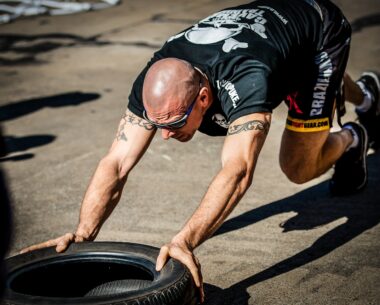
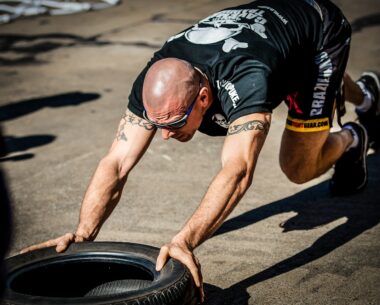
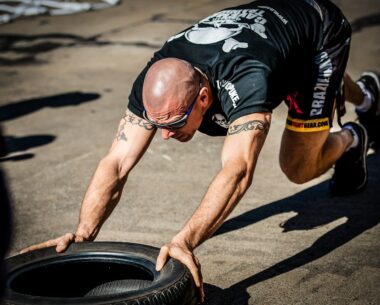
Functional training HIIT workouts are becoming increasingly popular among athletes aiming to enhance their performance. These workouts integrate high-intensity interval training (HIIT) with functional movements designed to mimic everyday activities and sports-specific actions. The benefit of functional training is that it prioritizes strength, flexibility, stability, and endurance, creating a holistic approach to conditioning. As athletes, it’s essential to keep your workouts diverse and adaptive, focusing on the demands of your specific sport. This method prepares you for competition by enhancing your functional strength and aerobic capacity, ensuring you can perform at your best during crucial moments. HIIT workouts can be structured in various formats, focusing on different muscle groups or movement patterns, which maximizes workout efficiency. Including sport-specific drills, agility exercises, and plyometrics encourages your body to adapt quicker, improving overall performance and reducing injury risks. To maximize these benefits, regularly assess and adjust your training program based on progression and competition schedules. By incorporating functional training HIIT into your routine, you set the foundation for sustained athletic performance and recovery as you balance intensity with functional capabilities.
One of the significant advantages of functional training HIIT is how it optimally combines strength training and cardiovascular conditioning. This hybrid style supports an athlete’s pursuit of both power and stamina, critical factors in performance across various sports. When executed correctly, HIIT sessions stimulate metabolic processes to boost energy expenditure, leading to improved body composition. In practice, these workouts involve short, intense bursts of exercise followed by brief rest periods, allowing you to push your limits. Incorporating fundamental movements like squats, lunges, or push-ups into your HIIT routine enhances core stability, coordination, and athletic agility, translating directly to improved performance in sport. Selecting exercises that mimic movements relevant to your sport will yield the best results; for example, basketball players benefit from agility drills, while swimmers may focus on shoulder stability. A well-planned workout can increase your muscle power while enhancing your overall cardiovascular strength. The effectiveness of HIIT lies in its versatility and adaptability, allowing you to modify intensity, duration, or even the choice of exercises based on specific needs or weaknesses. Ultimately, you tailor each session to meet your unique athletic goals and capacities.
Designing Effective Functional Training HIIT Workouts
Creating effective functional training HIIT workouts requires an understanding of both the athlete’s specific needs and the desired outcomes. Begin by identifying the primary skills needed in your sport, such as speed, agility, power, or endurance. Once these have been established, you can design a program that incorporates targeted exercises. For instance, strength athletes may benefit from complex movements like deadlifts combined with explosive actions such as box jumps. Start each session with a dynamic warm-up focusing on mobility and joint preparation to reduce injury risk during intense workouts. Ensure a good mix of exercises that not only challenge the aerobic system but also engage multiple muscle groups simultaneously. Additionally, consider integrating rest intervals strategically to enhance recovery and maximize performance during each work phase. Keeping the workout sessions varied will maintain engagement and motivation, essential factors for long-term adherence. To further optimize training effects, introduce progressive overload by increasing weights or exercise complexity over time. With a solid plan, functional training HIIT can become a powerful tool for enhancing athletic conditioning and improving sport performance.
The essence of functional training HIIT lies in its application of movements that closely resemble sports-specific actions. This strategy emphasizes training efficiency, which yields effective results in a shorter time frame. During workout design, address capabilities such as explosive power, which is crucial in many sports. Incorporating movements like kettlebell swings and Olympic lifts can enhance overall power output. Speed and agility drills, like shuttle runs or lateral hops, contribute significantly to an athlete’s ability to change direction quickly and effectively. Additionally, implementing resistance training through various modalities, including bodyweight exercises, resistance bands, or medicine balls, enriches each session. Monitoring heart rate variability can also guide adjustments in intensity throughout training, ensuring the right balance between work and recovery. Moreover, customizing sessions based on seasonal training cycles preserves motivation and follow-through on prescribed workouts. Ensuring flexibility in the routine allows athletes to manage fatigue while prioritizing recovery. With thoughtful integration of multi-dimensional exercises in functional training HIIT, athletes can achieve concentrated, leveraged gains in performance, leading to a competitive edge across diverse sports.
Tracking Progress in Functional Training HIIT
To fully leverage the benefits of functional training HIIT, it’s essential to monitor your progress meticulously. Tracking performance not only keeps motivation levels high but also helps identify weaknesses and areas for improvement. Start by assessing key performance indicators relevant to your sport, such as speed, strength, and endurance, at regular intervals. Tools such as fitness apps or heart rate monitors can provide valuable insights into your exertion levels and recovery periods during workouts. Set quantifiable goals to achieve within specific time frames, such as increasing the weight you lift or decreasing the time taken for specific drills. Adjust these goals based on your performance assessments, ensuring they remain challenging yet achievable. Comparing your progress against peers can also provide insight into your development. It’s vital to embrace setbacks as learning opportunities, staying committed to a structured training regimen. Additionally, actively engaging with a coach or training partner can enhance accountability and provide feedback and motivation. By focusing on progressive improvement while using functional training HIIT, you can continually refine performance and remain competitive in your sport.
Nutrition plays a vital role in the success of any training program, including functional training HIIT. Optimizing your diet will support recovery and performance needs. Athletes should prioritize whole foods rich in nutrients, protein, carbohydrates, and healthy fats to fuel workouts and promote muscle repair. Incorporating lean proteins such as chicken, fish, or plant-based sources can enhance muscle synthesis post-exercise. Complex carbohydrates, including whole grains and fruits, serve as primary energy sources, especially before high-intensity sessions. Hydration is equally crucial, as it impacts athletic performance and overall recovery. Craft a well-rounded meal plan that aligns with your training goals and daily energy expenditure. Use meal prepping as a strategy to ensure convenient access to nutritious foods, preventing reliance on less healthy options. Additionally, consider consulting a sports nutritionist to optimize your diet according to the specific demands of your training. Tracking your nutritional intake alongside your workout regimen can reveal connections between food choices and performance metrics. Adopting a comprehensive approach that includes sound dietary practices strengthens the results achieved through functional training HIIT.
Conclusion: Embracing Functional Training HIIT for Enhanced Performance
In conclusion, incorporating functional training HIIT into an athlete’s regimen can lead to significant improvements in sport-specific performance. The integration of strength, cardio, and flexibility training through high-intensity intervals makes it a valuable training model. With a focus on movements that reflect actual competition demands, athletes are better prepared to meet the physical challenges of their sports. Pay attention to designing effective workouts, tracking progress, and optimizing nutrition for best outcomes. Furthermore, fostering a mindset geared toward continual growth is essential in this journey. Overall, functional training HIIT encourages physical conditioning and prepares athletes to face competitive environments with confidence. By committing to this holistic training approach, you’ll develop not only impressive athletic capabilities but also a deeper understanding of your body and its potential. This knowledge enables you to make more informed choices on and off the field. Engage with peers, coaches, and communities to share experiences and insight. With dedication and the right strategies, functional training HIIT can lead to breakthrough performances and achievement of personal athletic goals.