
Harnessing Visualization Techniques for Accelerated Injury Recovery
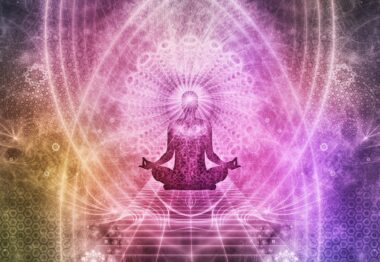
The mind-body connection plays a crucial role in physical healing. Visualization techniques have gained popularity as effective practices in promoting healing. This approach harnesses the power of imagination to visualize the body repairing itself. Patients can create mental images of their injuries healing, which can lead to actual physiological changes. By focusing on the recovery process, individuals foster a sense of control over their healing journey. Being actively involved helps boost motivation and resilience. Visualization works by engaging the mind and encouraging relaxation, which can trigger beneficial responses in the body. Studies indicate that visual imagery is linked to notable improvements in injury recovery rates. The practice can be easily incorporated into daily routines. By dedicating some quiet time to visualization, individuals can combine it with relaxation techniques such as deep breathing. This process creates an optimal environment for healing, making it a potent tool in injury recovery. Patients often report feeling more positive and empowered. Enhancing the mind-body connection enables a holistic approach, addressing both mental and physical aspects of recovery.
Understanding visualization techniques involves recognizing how the mind influences the body. One effective strategy is guided imagery, where a therapist leads individuals through mental images to facilitate healing. This practice encourages deep relaxation, reducing stress levels and enhancing overall well-being. When guided imagery is used regularly, it can help lower anxiety and pain perception. Creating specific images related to the injury is essential. For instance, visualize the body’s cells repairing themselves, possibly even picture vibrant healing energy surrounding the injury site. It engages the subconscious mind, reinforcing positive thoughts and beliefs about healing. Additionally, employing meditation can significantly enhance the effectiveness of visualization techniques. Meditation promotes focus and inner peace, making it easier to visualize clearly. Another technique is affirmations; these are positive statements that individuals repeat while visualizing healing. Research indicates that repetition and belief in these affirmations can produce remarkable results. Implementing these visualization techniques doesn’t necessitate extensive training. Simple practices, such as focusing on specific healing outcomes, can yield profound benefits. As individuals incorporate visualization into their healing journey, they may discover a newfound sense of agency over their health.
Creating a Visualization Practice
Establishing a consistent visualization practice is key to fostering injury recovery. Begin by setting aside a dedicated time each day to focus on your healing process. This can be during meditation or a quiet moment in the morning or evening. Create a calming environment, ensuring minimal distractions. Soft music or guided visualization recordings can enhance the experience. Engage all senses during the visualization. Imagine the warmth of sunlight on your skin when picturing recovery, or hear relaxing sounds that evoke peace. Be detailed in your mental imagery; the more vivid the images, the more powerful the impact. It can also be helpful to keep a journal documenting visualization sessions, noting feelings and progress. Over time, this will provide insight into the effectiveness of visual techniques in recovery. Setting specific goals during visualization can yield better results. For instance, visualize being able to perform daily activities pain-free or increase physical capabilities. Invite positive energy into your visualization; think of it as a light that encourages healing. This focuses the mind on a proactive recovery, providing motivation and optimism along the journey.
Combining visualization with other healing modalities can enhance injury recovery even further. Incorporating practices such as yoga, tai chi, or gentle stretching can facilitate a deeper connection between body and mind. These physical disciplines promote body awareness while simultaneously encouraging relaxation. They align physical movements with visualization, reinforcing positive images of health. Nutrition also plays a fundamental role; a healthy diet supports both the body and mind. Consuming nutrient-rich foods aids in faster recovery. For instance, antioxidants and proteins contribute to tissue repair, enhancing the visualization effects. Additionally, emotional support is vital during this journey. Surround yourself with positive influences and communicate openly with loved ones about your healing process. Group sessions focused on injury recovery may include visualization as part of their curriculum. As one practices visualization, the changes may also influence their daily mindset, creating a more positive outlook. Engaging with a supportive community can further inspire and motivate individuals to stick with their visualization practice. Combined efforts steer individuals toward self-confidence, embodying the belief that they can fully recover from their injuries.
Challenges in Visualization
While visualization techniques can be powerful, challenges may arise during practice. These obstacles can include difficulty concentrating or remaining consistent. Sometimes, negative thoughts can intrude, creating doubts about the efficacy of visualization. Understanding that such challenges are commonplace can help individuals navigate their healing journey more easily. One strategy to overcome these obstacles is to acknowledge negative thoughts without judgment. Recognize them, but choose to return to the visualization practice instead. Mindfulness techniques can be particularly helpful in managing distractions and fostering concentration. Meditation can serve as a foundational practice that enhances the ability to visualize fears or doubts without getting overwhelmed. Reframing thoughts around visualization and healing can also create a more supportive mindset. Instead of viewing challenges negatively, individuals might focus on the growth and resilience during this process. Educating oneself on the mind-body connection can further inspire confidence in visualization techniques. Participation in workshops or online courses can provide additional support and resources. Building a personalized practice that resonates can significantly improve consistency and overall healing experience. Adapting practices regularly based on personal preferences ensures a more profound engagement.
Overall, effective visualization techniques require commitment and practice. Achieving deep relaxation enhances the ability to visualize substantial shifts in healing. Attaining that mindfulness state is not always easy, especially for those new to these practices. It may take time to develop sufficient focus, and patience is essential throughout this process. Engaging in slow, intentional breathing can help transition into a more meditative state, easing the mind into visualization. It might also be beneficial to observe thoughts gently and let them flow without attachment. Eventually, as individuals continue to practice, visualization will become a natural part of their routine. Remember that small incremental changes matter; celebrate progress, no matter how minor it may seem. Keep an open mind regarding the healing journey; everyone’s path is unique. Mutual enjoyments in practice can inspire deeper connections to visualization. Collaborating with peers or creating a focused support group can further encourage and sustain growth. As confidence in visualization practices deepens, the excitement for recovery can flourish. Maintaining enthusiasm can invoke curiosity and joy in the process, turning healing into an inspiring journey toward well-being and health.
The Future of Visualization in Healing
As visualization techniques gain popularity, their integration into mainstream wellness continues expanding. Medical professionals are increasingly acknowledging mind-body practices for their numerous benefits in holistic healthcare. The significance of approaching injury recovery from a psychological perspective is being recognized as a potent avenue for facilitating healing. Ongoing research in this field indicates strong correlations between mental imagery and physical results, prompting innovations in rehabilitation programs. Future therapies may incorporate cutting-edge technology, such as virtual reality, enhancing the capacity for visualization. This could allow individuals to engage in immersive experiences while visualizing their recovery journey. Furthermore, incorporating mindfulness practices alongside visualization can amplify their collective efficacy. The potential for individualized healing sessions that consider the patient’s emotional and psychological needs will likely grow. Collaboration between psychologists, therapists, and medical providers can revolutionize the landscape surrounding injury recovery. As more individuals embrace these practices, personal narratives of healing through visualization will continue to emerge. Documenting these success stories can inspire others and cultivate a shift in how healing is perceived. The future of visualization undoubtedly holds exciting possibilities, emphasizing the power of the mind in the journey of recovery.
To conclude, harnessing visualization techniques for accelerated injury recovery offers numerous benefits. Individuals willing to embrace this approach can experience a deeper connection with their body and mind. By regularly practicing visualization, they may cultivate a greater sense of empowerment and overall well-being. Understanding the intersection of psychological and physiological healing is vital to fostering resilience during recovery. Incorporating visualization into daily routines not only enhances recovery efforts but also transforms the overall healing journey. Through patience and dedication, individuals can leverage the power of visualization as a tool for motivation and healing. This journey requires a commitment to self-discovery and personal growth. By exploring these innovative techniques, individuals can unlock their potential and become advocates for their health. Ultimately, visualization stands as a testament to the profound connection between the mind and body. Creating a supportive environment, whether through personal dedication or community interaction, fosters the ability to heal. The road to recovery is shaped by the choices made and the beliefs held. Embracing these visualization techniques may create a lasting impact, encouraging us to think more positively about health and recovery.