
How Self-Myofascial Release Can Speed Up Recovery from Common Sports Injuries
Self-myofascial release (SMR) is a technique often used in rehabilitation and injury prevention that can significantly help in speeding up recovery from sports injuries. It involves applying pressure to specific points on the body, thus targeting primarily muscle tissue and fascia. This method is highly effective for athletes experiencing tightness or soreness in various muscle groups. By using tools such as foam rollers, massage balls, or even your hands, SMR can alleviate muscle knots, improve blood circulation, and reduce overall tension. Consequently, the enhanced blood flow promotes nutrient delivery to the injured areas and accelerates healing. Research shows that incorporating SMR into a regular routine aids in restoring mobility and function more rapidly compared to traditional methods. As athletes resume their activities, they can experience decreased discomfort thanks to enhanced flexibility and a better range of motion achieved through SMR. Furthermore, not only does SMR assist in healing existing injuries, but it also plays a preventive role by addressing stiffness, ensuring long-term athletic performance remains optimal.
Understanding the Benefits of Self-Myofascial Release
The benefits of self-myofascial release in promoting recovery can be broken down into several categories, each offering unique advantages. First, it helps reduce muscle soreness following intense workouts or competitions, which is essential for athletes. Second, SMR can enhance flexibility, allowing for more efficient movement patterns. Increased flexibility decreases the risk of further injuries during physical activity. Additionally, SMR improves overall circulation, which fuels the healing process significantly. Improved blood flow is crucial when recovering from sports-related injuries as it brings essential nutrients and oxygen to the affected tissues. Furthermore, self-myofascial release enhances relaxation and reduces stress levels, directly impacting pain perception. Consequently, athletes often feel mentally and physically rejuvenated after incorporating this technique into their rehabilitation plans. Moreover, knowing how to properly perform SMR techniques independently empowers athletes to take charge of their recovery, ultimately leading to quicker reintegration into their routines. Lastly, addressing myofascial adhesions directly improves neuromuscular efficiency, enabling better performance and lower injury risks during sports activities.
One commonly debated aspect of self-myofascial release is the frequency and duration of application to achieve the best results. Most experts recommend spending approximately 1-2 minutes on each muscle group, focusing on areas that feel particularly tight or sore. Athletes should seek to perform SMR before and after workouts for maximum benefits. Additionally, combining SMR with dynamic stretches before a workout and static stretches afterward can help enhance flexibility and reduce recovery time. For specific injuries, targeted SMR on affected areas could accelerate the recovery process further. It is important, however, to listen to the body and gauge discomfort levels during treatment. While some discomfort during SMR is expected, sharp pain signals the need for caution. Hence, athletes must educate themselves on proper techniques and tools since improper application can lead to injury rather than healing. Online resources and tutorials can provide valuable guidance. Furthermore, investing time into learning new SMR methods can enhance an athlete’s self-care routine, potentially resulting in improved performance and decreased incidence of injuries over time.
Tools for Effective Self-Myofascial Release
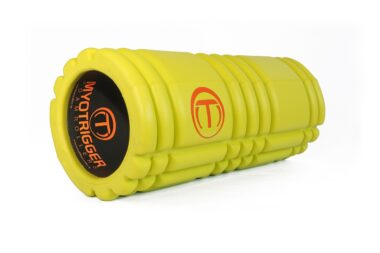
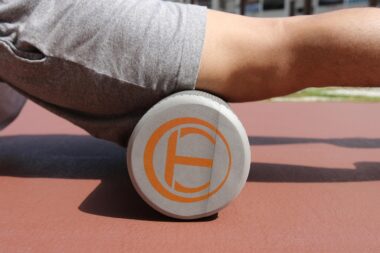
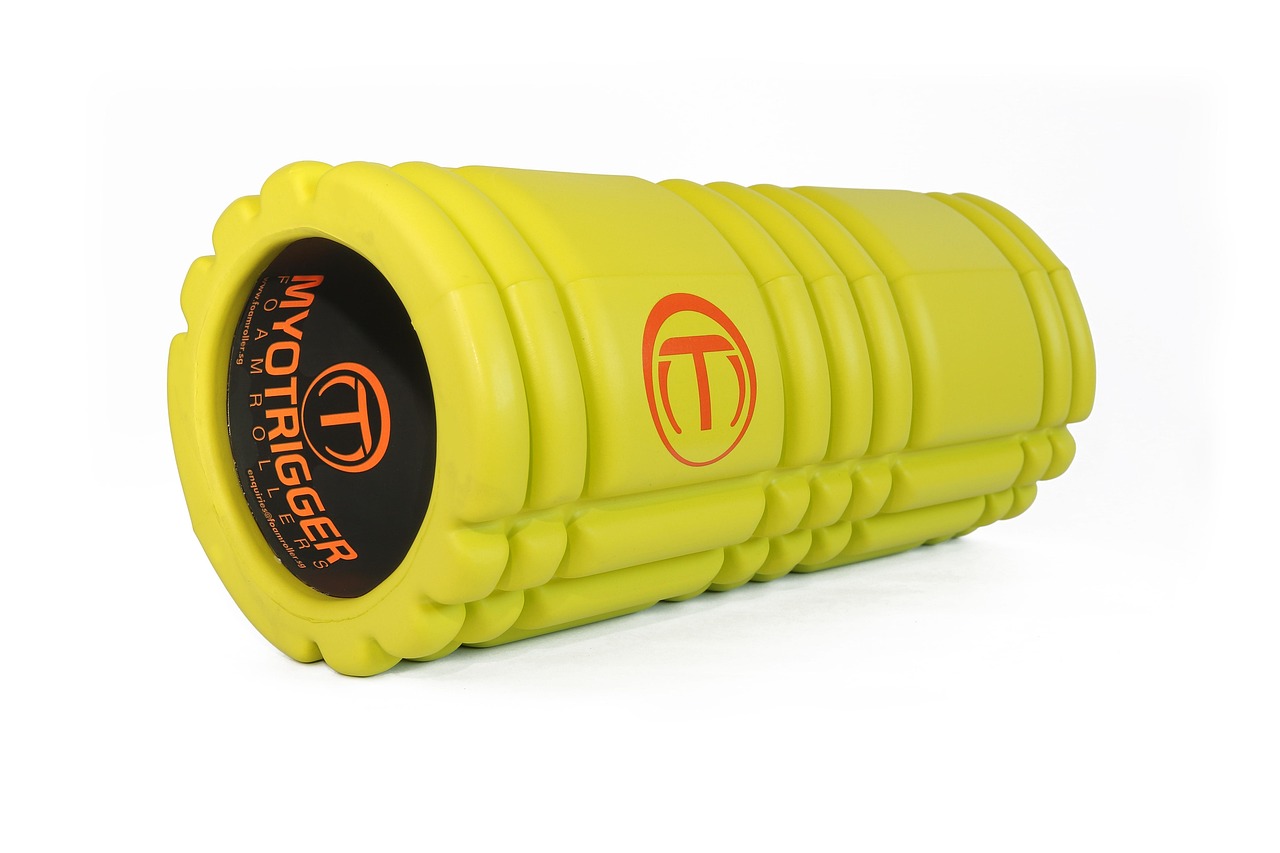
Several tools are available for effective self-myofascial release, which can cater to various preferences and pain tolerance levels. Foam rollers are among the most popular choices due to their convenience and effectiveness in targeting larger muscle groups, such as the quadriceps, hamstrings, and back. Various density options exist, allowing individuals to select based on their comfort levels. On the other hand, massage balls offer precision targeting of smaller, harder-to-reach areas like feet, hips, and shoulders, making them ideal for pinpointing specific knots. Additionally, other tools like roller sticks can be beneficial for easing tension along the spine and large muscle groups while maintaining control over pressure applied. When using these tools, athletes should be aware of their body’s signals to avoid overstretching or straining. Always maintaining proper hydration is crucial in conjunction with SMR for enhanced recovery. It’s recommended to practice self-myofascial release in a controlled environment, ensuring all proper techniques are followed. By regularly using these tools, athletes can greatly optimize their recovery process when dealing with sports injuries.
Research studies and testimonials increasingly showcase the effectiveness of self-myofascial release, connecting improvements in athletic performance with regular SMR practice. For athletes, this practice is a critical component of ongoing conditioning and rehabilitation. Many individuals report a noticeable decrease in muscle tightness and soreness after consistent use. Additionally, regular application of SMR leads to better movement mechanics, which can be crucial in preventing injuries associated with overuse or improper technique. Furthermore, athletes who employ SMR often enjoy increased muscle elasticity as well. This not only enhances their performance during activities but is key to maintaining a long and fulfilling athletic career. Coaches and sports trainers are also recognizing the value of incorporating SMR techniques into warm-up and recovery sessions. By educating themselves about SMR methods, athletes and coaches alike can foster a collaborative environment focused on injury prevention and rehabilitation. Ultimately, making self-myofascial release a priority lays the groundwork for sustainable athletic success. A commitment to both recovery and performance ultimately enhances overall training efficiency and preparedness for competition.
Best Practices for Implementing Self-Myofascial Release
To realize the benefits of self-myofascial release, athletes should adopt best practices for implementation. First and foremost, the technique should be performed in a calm, focused environment to facilitate effectiveness. Athletes should take a few moments to practice controlled breathing to enhance relaxation, making the process much more beneficial. Next, the ideal position for each muscle group should be identified and maintained for optimal pressure distribution. Furthermore, self-myofascial release should be conducted at a slow pace to allow the muscles time to respond to the pressure being applied. As athletes roll over tender spots, they can hold the pressure for 20-30 seconds or until the discomfort decreases. Additionally, consistency is key; incorporating a well-rounded routine involving SMR will lead to long-term benefits. Athletes should progress gradually, and adjustments should be made based on pain thresholds and responsiveness. Finally, keeping track of progress helps solidify the practice’s positive effects over time. Combining this method with other recovery strategies like hydration, nutrition, and adequate sleep will yield optimal results.
In conclusion, self-myofascial release is an invaluable technique for speeding up recovery from common sports injuries. By reducing muscle soreness and tension while enhancing flexibility, athletes can enjoy improved performance and decreased injury likelihood. Regularly incorporating SMR into training can benefit both injury recovery and prevention. As athletes learn to identify tight areas and apply the correct pressure using various tools, they empower themselves in their recovery journey. Ultimately, this empowers athletes to take ownership of their health and wellness while prioritizing injury prevention. With consistent practice, athletes can maintain their performance levels and ensure longevity in their athletic pursuits. As the sports and rehabilitation fields continue to evolve, the importance of self-care techniques such as SMR will no doubt remain at the forefront of optimizing athletic careers and experiences. Embracing self-myofascial release can lead to not only speeding up recovery but instilling a deeper understanding of one’s body and its needs during recovery.
Getting Started with Self-Myofascial Release
For those new to self-myofascial release, starting gradually and incorporating the techniques into existing routines is crucial for long-term success. Begin by selecting a preferred SMR tool, such as a foam roller or massage ball. Familiarize yourself with effective techniques and positions for targeting specific muscle groups while ensuring comfort throughout the process. Watching instructional videos and reading credible articles can further enhance understanding. Setting aside dedicated time for practicing SMR regularly will help in making it a lasting part of one’s routine. Start with shorter sessions and progressively increase the time spent focusing on areas that require deeper work. It’s essential to listen to your body, adjusting methods based on pain levels and sensitivities. Maintenance of proper hydration and nutrition will also support recovery as athletes evolve in their SMR practices. Over time, tracking progress regarding recovery and flexibility will help solidify the positive impact of SMR on overall athletic performance. With diligent and educated incorporation of self-myofascial release, athletes can alleviate pain, enhance mobility, and optimize recovery from sports injuries.