
Integrating Pilates Equipment into Athletic Training
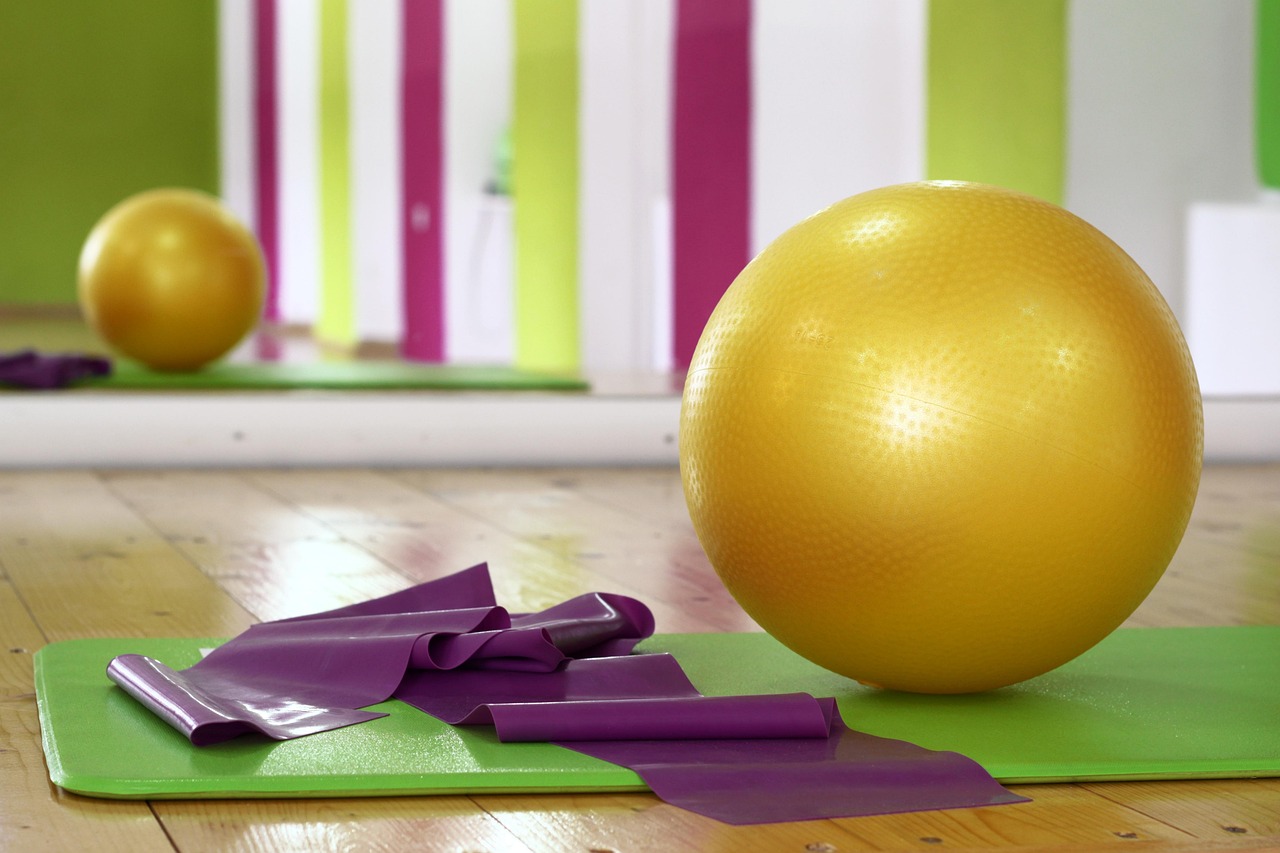
Integrating Pilates equipment into athletic training programs can significantly enhance performance and recovery. Pilates focuses on core strength, flexibility, and overall body awareness, which are crucial for athletes in all sports. The use of equipment like the reformer and stability chair allows for tailored exercises that target specific muscle groups. These machines offer resistance training that can boost strength and improve balance, essential factors for athletes striving to excel in their respective fields. Moreover, Pilates encourages proper alignment and posture, which can help prevent injuries commonly associated with high-impact sports. Athletes can experience improved body control, which translates to enhanced coordination during competitions. By incorporating Pilates into their routine, athletes can achieve greater body awareness, leading to more effective movement patterns. Not only does this practice complement traditional training methods, but it also provides a low-impact workout beneficial for recovery days. Incorporating Pilates into the regimen can be as simple as using a reformer for a structured session or integrating small props into a warm-up routine. Ultimately, this holistic approach can produce well-rounded athletes prepared for their physical demands.
As athletes begin to incorporate Pilates into their training, they often discover the myriad benefits that this practice can bring. One significant advantage is improved core stability, which is paramount in nearly every sport. This enhanced stability derives from targeting deep abdominal muscles through specific exercises. When athletes develop a strong core, they enhance their overall performance metrics, including speed, agility, and power. Furthermore, while engaging in Pilates, athletes learn to manage breath and control their movements, cultivating a rhythm that can improve their endurance in sports. Awareness of breathing patterns not only enhances exercise effectiveness but also helps in calming pre-competition nerves or anxiety. Additionally, the flexibility gained from Pilates exercises contributes to a fuller range of motion. Increased flexibility can help athletes move more freely, reducing the likelihood of strains and tears. Flexibility training through Pilates does not just improve performance; it also aids recovery by reducing muscle tightness. Athletes often report feeling more relaxed post-Pilates session. It contributes to a holistic training regimen that balances strength and flexibility for optimal performance, ensuring athletes are well-prepared for the challenges of competitive sports.
Targeted Benefits of Pilates for Athletes
Targeting specific muscle weaknesses or imbalances through Pilates can lead to exceptional gains in athletic performance. Every athlete’s body is unique, presenting its own set of challenges and strengths. Pilates offers highly customizable workouts that focus on individual needs, allowing athletes to isolate and strengthen weak areas. For instance, sports that require rapid directional changes, such as football or basketball, greatly benefit from enhanced hip and core strength. Incorporating Pilates workouts tailored toward these areas can help athletes increase their explosive power. Besides, the control and precision required in Pilates can improve overall motor skills, translating to better execution of athletic maneuvers. Moreover, Pilates significantly focuses on injury prevention strategies. The low-impact nature of the workouts allows athletes to strengthen their muscles without undue stress on joints. This preventive approach is essential for maintaining long-term athletic careers. Implementing Pilates not only protects from injuries but also promotes recovery post-compete. After rigorous training sessions, engaging in focused breathwork from Pilates aids in relaxation, enhancing recovery. Consequently, the integration of Pilates presents a comprehensive solution to strength, flexibility, and injury management for athletes aiming to optimize their training.
Furthermore, the mental benefits brought by Pilates practice can be just as impactful as the physical ones. Athletes often face intense pressure during competition, and maintaining a strong mental state is crucial to their success. Pilates fosters mindfulness with its emphasis on focus and controlled movements. Athletes learn to be present in the moment, refining their concentration and reducing distractions during training and competitions. Moreover, the connection between breath and movement in Pilates cultivates a sense of inner calm, which can help in managing stress and anxiety levels when facing competitive challenges. The discipline instilled through consistent Pilates practice promotes resilience and determination, valuable traits for athletes overcoming setbacks. This mental fortitude can ultimately be the difference between triumph and defeat in high-stakes competitions. Additionally, Pilates teaches athletes how to understand their bodies better, improving body awareness and coordination. This understanding is vital in performance-driven sports, where even minor adjustments can lead to significant outcomes. By integrating these mental and physical elements, athletes can experience a well-rounded approach to their training. Altogether, Pilates becomes a powerful ally, providing crucial support in honing both physical conditioning and mental focus for enhanced athletic endeavors.
Creating a Balanced Training Program
When athletes decide to integrate Pilates into their training, it’s essential to create a balanced program that effectively incorporates various training modalities. A successful balance combines sport-specific drills, traditional strength and conditioning, and Pilates workouts for optimal results. It’s vital to schedule Pilates sessions appropriately around high-intensity training to avoid fatigue and overtraining. Mixing Pilates into the routine allows athletes to engage in low-impact recovery sessions, enabling their bodies to recuperate while continuing to work on strength and flexibility. Ideally, these sessions should be strategically placed, perhaps mid-week, to maintain a strong training rhythm. Athletes should also allow time to perform Pilates with a certified instructor who can guide them on proper technique and adaptations suited for their specific sport. Furthermore, maintaining daily training logs and analyzing progress helps track improvements in both physical metrics and overall wellness. Prioritizing recovery routines within this balanced program, including Pilates, becomes integral. It encourages dedicated time for regeneration, which athletes too often neglect. Ultimately, this balanced approach advocates for a sustainable training philosophy that optimizes athletic output, enhances motivation, and promotes a long-lasting sporting career.
Aside from the physical and mental benefits, integrating Pilates into athletic training programs heightens performance through community engagement. Group Pilates classes can foster camaraderie and team spirit among athletes, enhancing their overall training experience. The social interaction that comes from participating in shared workouts can break the monotony of individual sessions and foster collaboration. Athletes can also learn from one another’s experiences, creating an environment conducive to personal growth and development. Moreover, engaging in Pilates as a team can promote accountability, making it easier to stick to the training regimen. When athletes see their teammates benefiting from Pilates, they become more inclined to participate regularly. Additionally, this sense of community can lead to improved morale, encouraging athletes to push beyond their comfort zones, fostering a stronger work ethic. They share tips, motivate one another during challenging sessions, and celebrate each other’s progress together. The result is a healthier, more supportive training ecosystem where every athlete feels valued. Emphasizing the importance of community adds a crucial layer of satisfaction and unity to the athletic training experience, ultimately benefiting performance on an individual and team level.
Conclusion and Future Directions
In conclusion, incorporating Pilates equipment into athletic training programs can provide exceptional benefits for athletes across all sports. This multifaceted approach leads to improved strength, flexibility, and mental focus. Athletes experience enhanced core stability, which aids in optimizing performance while mitigating injury risks. Furthermore, the mindfulness cultivated through Pilates fosters resilience, crucial in competitive scenarios. Looking toward the future, more sports programs may embrace Pilates for its complementary benefits alongside traditional training methods. Coaches and trainers are increasingly recognizing Pilates as a valuable tool in athlete development, and innovations in equipment and methods will likely emerge. As research on Pilates continues to evolve, so too will the techniques and practices employed in athletic training. Emphasizing a holistic training approach that prioritizes all elements of athletic performance creates opportunities for greatness. By understanding and implementing the unique advantages Pilates provides, athletes can enjoy longevity in their careers, enhanced performance, and a supportive training community. Embracing this blend of training practices opens the door to maximizing the full potential within every athlete, setting them on a path toward achieving their aspirations in sports.
This transition not only highlights the versatility of Pilates but also showcases its role in modern athletic training strategies. By building strength, flexibility, and a strong mental foundation, athletes can achieve remarkable results when Pilates is integrated into their regimen. The commitment to incorporating such practices will encourage a pursuit of excellence, blending the best of both worlds for successful athletic careers.