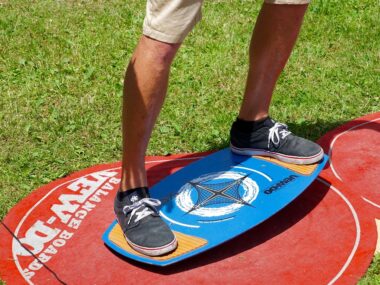

Mastering Split Step Timing through Tactical Footwork Drills
Footwork is an essential skill in tennis that significantly impacts a player’s overall performance. Mastering the split step is crucial as it prepares players to react swiftly to their opponent’s shots. A well-timed split step enables you to gain optimal positioning on the court. To enhance this vital skill, players can adopt various tactical footwork drills that develop agility, speed, and body control. These drills should be integrated into your training regimen for consistent improvement. Regular practice solidifies muscle memory and enhances reaction times during matches. Key benefits of these drills include improved balance, coordination, and the ability to anticipate movements. By focusing on footwork, you can elevate your game to a competitive level. It’s imperative to maintain a strong foundation and baseline movement. Footwork drills can be tailored to individual player needs, ensuring a personalized approach. Coaches can design sessions focusing on specific areas, making training more efficient. Therefore, implementing tactical footwork drills into your practice routine is critical for peak performance.
Developing proper technique in the split step increases your chances of winning points during matches. This foundational foot movement allows players to prepare for incoming shots while maintaining readiness. Tactical footwork drills are aimed at refining this technique, enhancing both movement efficiency and agility. Engaging in practices such as shadowing is beneficial. These exercises simulate match situations without needing a partner. Furthermore, drills can focus on lateral movements, allowing players to practice their footwork across the baseline. Timing the split step with the opponent’s shot trajectory is crucial. Players must learn to gauge when to execute this movement for maximum effectiveness. However, awareness of the game scenario plays a vital role in successful execution. Developing these skills through consistent practice can lead to improved decision-making on the court. Incorporate game-like scenarios into your drills to prepare for intense match situations. Utilize cones or markers to simulate opponents and enhance spatial awareness. Brainstorming different setups keeps training engaging and keeps players motivated. Lastly, always track improvement to see the positive effects of consistent practice.
The Importance of Agility in Tennis
Agility is a player’s ability to move quickly and easily on the court. It encompasses a range of movements, including starts, stops, and direction changes, essential during a match. Mastering tactical footwork drills can greatly enhance your agility. Regularly engaging in these drills improves your quickness when executing a split step, leading to better shot placement. From lateral shuffles to forward sprints, the body will adapt, making swift movements feel more instinctive. Agility ladders are effective training tools for this purpose. They allow players to develop foot speed and coordination simultaneously. Using resistance bands can also add strength training components to your drills. By combining these elements, players can significantly increase their on-court responsiveness. Moreover, increased agility helps prevent injuries, as the body learns to move with better control and stability. Players should focus on their body positions as they move; maintaining proper posture can prevent unnecessary strain. Including partners in drills introduces competitive elements, enhancing learning outcomes. Additionally, monitoring progression ensures that training focuses on areas needing improvement. Overall, agility should be a key focus in any training routine.
Incorporating tactical footwork drills into your practice enhances court coverage. Efficient movement translates directly into a player’s ability to retrieve shots effectively. When navigating the court, awareness of positioning plays a significant role. Coming to the ball with the right footwork allows players to hit more accurate shots. Certain drills, such as the four-corner drill, challenge players to rapidly transition from one side of the court to another. These activities teach players to adapt their footwork based on their opponent’s movements. Furthermore, practicing with different ball speeds and spins during drills prepares players for various match conditions. Emphasizing the split step at the right moment is crucial for optimal shot execution. Creating individualized drills to imitate opponents adds realism to training sessions. This approach helps cultivate crucial match skills while developing reaction time. Consistent execution in training enhances these benefits, ultimately boosting confidence. As players execute these drills, they explore personal strengths and weaknesses, leading to focused improvement. Balancing practice intensity with recovery time fosters greater outcomes. Ultimately, mastering tactical footwork provides a competitive advantage across all levels.
Challenges and Solutions in Footwork Drills
Every player faces unique hurdles when mastering footwork. Common issues include slow reaction time and poor balance, often stemming from a lack of specific training. Tactical footwork drills address these challenges effectively. By implementing varied approaches, players learn to recognize their individual needs. Incorporating different training speeds can help combat slow reactions. For instance, starting with slower drills before increasing tempo enables gradual skill development. Similarly, integrating footwork with fitness training reinforces endurance, allowing for consistent performance throughout matches. Watching professional players can offer insights into efficient movement patterns. Creating recordings of your practice sessions aids in self-analysis. Utilize technology to provide feedback on technique, allowing players to adjust their skills more effectively. Additionally, establishing specific goals keeps focus during training sessions. Tracking metrics over weeks or months encourages steady progress and reveals areas needing improvement. Mentorship from experienced coaches ensures that players receive proper guidance to refine their skills. Likewise, collaborating with fellow players encourages a competitive environment, enhancing motivation. Continuous improvement necessitates periodic assessments to align with evolving goals.
Implementing fun and engaging drills can boost motivation and ensure consistency in practicing footwork. Players thrive in environments that challenge them while maintaining enjoyment. Organizing small-sided games or friendly competitions involves utilizing footwork skills in realistic settings. This format naturally enhances the application of split step timing during match scenarios. Players can also add a fitness component through challenges. For example, incorporating agility hurdles or cone exercises creates intensity while working on foot speed. Creating group drills fosters camaraderie, allowing players to support one another during their training journeys. Regular feedback loops promote skill adjustment and reinforce learning outcomes. Furthermore, planning variety into drills prevents stagnation. Frequently changing tasks encourages adaptability and keeps improvement at the forefront. It’s also essential to ensure that players understand the underlying principles behind every drill. Communication about objectives solidifies comprehension and perseverance. Adopting a growth mindset allows players to embrace challenges enthusiastically. Acknowledging that skill mastery is a journey can inspire players to pursue their best performance. Ultimately, fostering a positive environment contributes to long-term success.
In Conclusion: The Path to Mastery
As you refine your footwork through tactical drills, remember that commitment is crucial. Training will require consistent effort, but the benefits will manifest in overall performance. Focusing on mastering the split step maximizes effectiveness during matches. Regular practice enhances muscle memory, allowing movements to become second nature. Coaches and trainers maintain a vital role in guiding players through tailored exercise plans. Implementing strategic drills that focus specifically on footwork will yield results in all areas of gameplay. Understanding the importance of agility, speed, and positioning lays the groundwork for success. With dedication, players will notice improvements not just in their footwork but across all aspects of their game. Monitoring progress, setting clear objectives, and celebrating milestones keeps motivation high. Continuous learning and adaptation are essential as players evolve. Success in tennis requires a well-rounded skill set, and tactical footwork is foundational. By investing time and effort into mastering these techniques, players position themselves towards success. The journey to becoming a skilled tennis player thrives on effective training and unwavering commitment. Thus, embrace the importance of tactical footwork drills in your ongoing development.
Remember, while the drills provide structure, adapting them to your personal style is key to truly mastering footwork. Aim for consistency, and practice relentlessly. That dedication will pave the way to becoming an exceptional player.