
The Benefits of Exercising Together: Strengthening Parent-Child Bonds
In today’s fast-paced world, fostering a strong relationship between parents and children can often be challenging. One effective way to bridge that gap is through exercise. Participating in physical activities together not only enhances physical health but also nurtures emotional bonds. When parents and children engage in fitness routines, they create shared memories that strengthen their relationship. It’s an opportunity for parents to model healthy habits, encouraging their children to lead active lifestyles. As they sweat together, laughter often fills the air, making fitness an enjoyable experience rather than a chore. Additionally, exercising together promotes open communication, where both parties can share thoughts, challenges, and victories. This bonding time fosters trust and understanding, key components in any parent-child relationship. Furthermore, joint activities release endorphins, leading to a more relaxed and positive atmosphere at home. Therefore, next time you consider skipping your workout, think of it as a chance to connect with your child while boosting both your physical well-being and emotional ties. Make it a routine, and soon it will become a cherished family tradition that everyone looks forward to.
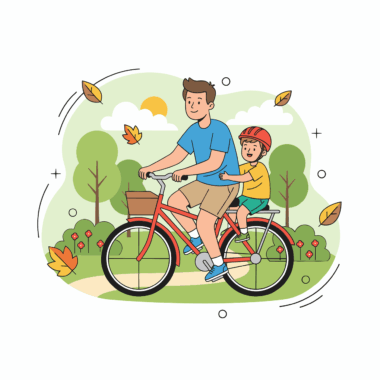
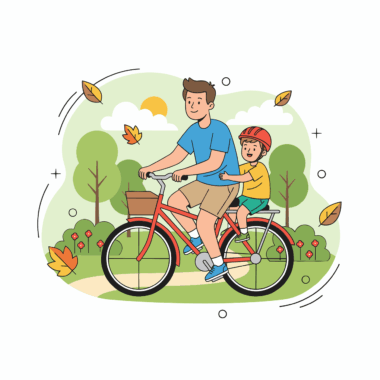
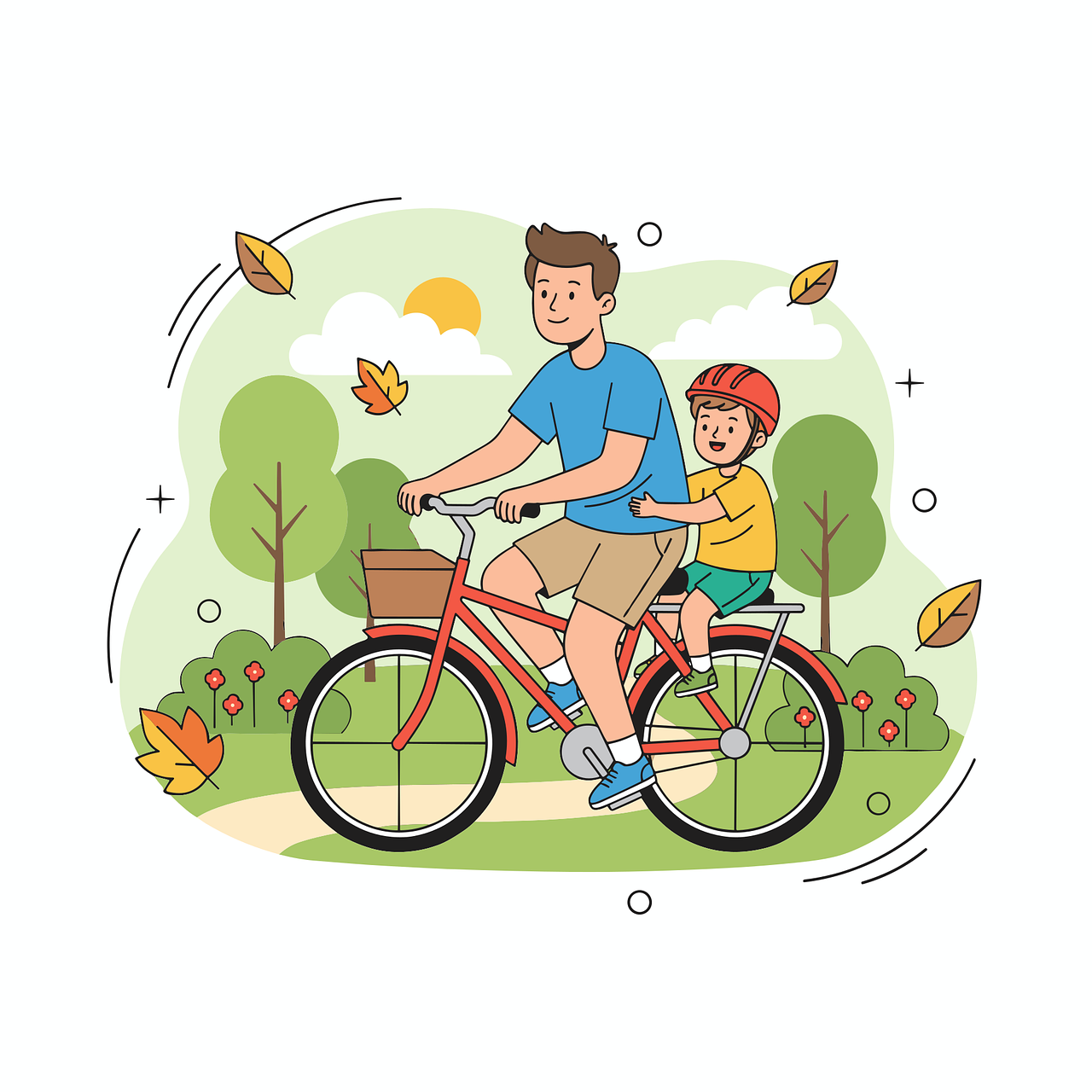
Staying healthy during childhood is vital for growth and development. When parents prioritize fitness alongside their children, it instills a sense of responsibility regarding health and wellness. Engaging in parent-child fitness outings can provide children with essential life skills. They learn teamwork, motivation, and perseverance through physical challenges like running or playing sports. These characteristics inevitably carry over into their daily lives as they navigate school and relationships with peers. Additionally, when parents partake in activities, they demonstrate the importance of maintaining an active lifestyle. Many children mimic their parents’ habits, making this an ideal time to set a positive example. Incorporating fun elements, such as games or challenges, makes workouts exciting. Parents can also involve rewards, such as family outings after accomplishing fitness goals, reinforcing the desire to stay active. By creating positive associations with exercise, parents ensure that their children view fitness as a fun and integral part of life. Furthermore, enjoying outdoor activities together, such as hiking or biking, allows families to immerse themselves in nature. This connection to the environment can be refreshing and invigorating for all participants.
Another significant advantage of exercising together is the improved mental well-being it offers. Regular physical activity has been well-documented to reduce stress and anxiety, which can be particularly beneficial for both parents and children. During workouts, families can decompress and discuss any challenges they may face, creating a supportive environment. By promoting a healthy outlet for stress, parents can help kids manage emotions more effectively. This shared experience provides a platform for understanding and empathizing with one another’s feelings. Furthermore, engaging in exercise can enhance cognitive functions due to increased blood flow to the brain. Consequently, children who participate in sports or physical activities may perform better academically. Parents should encourage a balanced approach to fitness that includes both aerobic and strength-training exercises. Incorporate these elements into family workouts to ensure everyone benefits from a well-rounded routine. It is essential to find activities that suit each family member’s interests. This variety can foster enthusiasm for fitness and keep everyone motivated, further strengthening those familial bonds. The journey of fitness is as important as the final goal.
Creating Lasting Memories through Fitness
Creating lasting memories doesn’t have to be confined to the living room or dining table. Engaging in shared fitness expeditions allows families to bond over shared challenges and adventures. Imagine a family hiking trip where all members can participate, creating unique stories that will be cherished for years to come. Families can capture these moments through photos, which serve as reminders of achievements and experiences shared together. This reinforcement of family history through activities boosts emotional ties and adds a layer of depth to relationships. Moreover, integrating fitness into family vacations or outings can lead to more meaningful and healthier experiences. Parents can carefully select destinations that offer diverse outdoor activities, fostering engagement while promoting wellness. Incorporating exercises into family gatherings also presents an opportunity for group participation, turning every occasion into an active celebration. This way, fitness continues to be fun and inclusive. Over time, these traditions become delightful bonding experiences. Children look forward to workouts if they associate them with quality family time. Establishing these traditions early on can instill excitement for fitness and create a legacy of health for future generations.
Nutrition naturally complements physical activity in cultivating a healthy lifestyle. Working out together can also provide an excellent opportunity for parents to discuss the importance of nutrition with their children. After engaging in a physically demanding workout, families can explore healthy meals and snacks, reinforcing the notion that good nutrition supports an active life. Involving kids in planning nutritious meals can encourage them to make healthier dietary choices. Parents may also demonstrate healthier cooking techniques by preparing meals together post-workout, instilling knowledge that children carry into adulthood. Integrating both exercise and nutrition education arms kids with the tools they need to maintain good health as they grow. Learning about portion sizes and balanced diets during cooking time fosters a sense of independence and responsibility. These discussions will also present vital opportunities to share personal experiences regarding food choices. When children understand the benefits of nutrition and its relationship to fitness, they are more likely to make educated decisions in their future. Families who focus on these aspects together are setting a strong foundation for healthier lifestyles for everyone involved.
Including your child in a fitness journey creates accountability for parents too. When exercising as a duo, both parties motivate each other to stay committed to their goals. This mutual support system can maintain motivation levels high during challenging times, nurturing resilience. Parents may feel emboldened to push further, as they witness their child making an effort to stay active. This shared experience establishes pride in personal accomplishments, resulting in increased self-esteem for both participants. Acknowledging each other’s progress can also lead to stronger family dynamics. Celebrating achievements together reinforces positive habits while creating lasting memories. Rather than viewing fitness as an obligation, embracing it as a family unit transforms it into a rewarding activity. Moreover, friendly competitions, such as running races, can fuel that sense of commitment and fun. Implementing these practices teaches children invaluable lessons about goal setting and working towards achieving them, essential attributes for success in various aspects of life. Making fitness a family affair not only contributes to a healthier lifestyle but cultivates a nurturing environment for personal growth and development.
Overcoming Challenges Together
Challenges are inevitable, whether it’s dealing with obstacles in fitness progress or overcoming life’s hurdles. Working out collectively allows families to face challenges together, reinforcing the message that they can tackle difficulties as a united front. Through workouts, children learn that persistence pays off and that setbacks should be seen as opportunities for learning. Sharing these moments can improve resilience and equip kids with problem-solving skills. Furthermore, parents should encourage open dialogue about challenges in life. This approach facilitates better communication, ensuring that family members feel comfortable discussing their struggles. When children see their parents actively tackling challenges, they are inspired to adopt the same mindset. This seamless application of fitness principles to life realities can help children deal with stress more effectively. Both parents and kids develop trust in one another through experiencing wins and losses together. This emotional support translates into stronger familial ties that last a lifetime. By creating a safe space for sharing fears and aspirations, families lay the groundwork for ongoing conversations. The lessons learned from exercising and being present for each other teach invaluable life skills.
In conclusion, parent-child fitness activities create an enriching environment that nurtures both physical and emotional well-being. Engaging in shared workouts provides families with numerous benefits, from strengthening bonds to promoting better health. Emphasizing fitness alongside family values contributes to a sense of togetherness and belonging. The skills acquired during these shared experiences foster a growing bond that transcends typical parent-child relationships. By making exercise enjoyable, parents impart the importance of health while cultivating lasting memories and traditions for future generations. A holistic approach that encompasses fitness and nutrition sets children up for a lifetime of healthy choices. This balance can be crucial for overall well-being, encouraging a generation that values health as a priority. As families take on fitness challenges together, they create treasured moments that enrich their lives. Moreover, the very act of working out together lays the foundation for open conversations about personal growth and challenges. Families can make lasting impacts in the lives of their children through these shared experiences, teaching resilience and accountability. Ultimately, making time for family fitness strengthens the parent-child dynamic, nurturing shared goals, understanding, and compassion.