
The Impact of Social Support on Athlete Performance
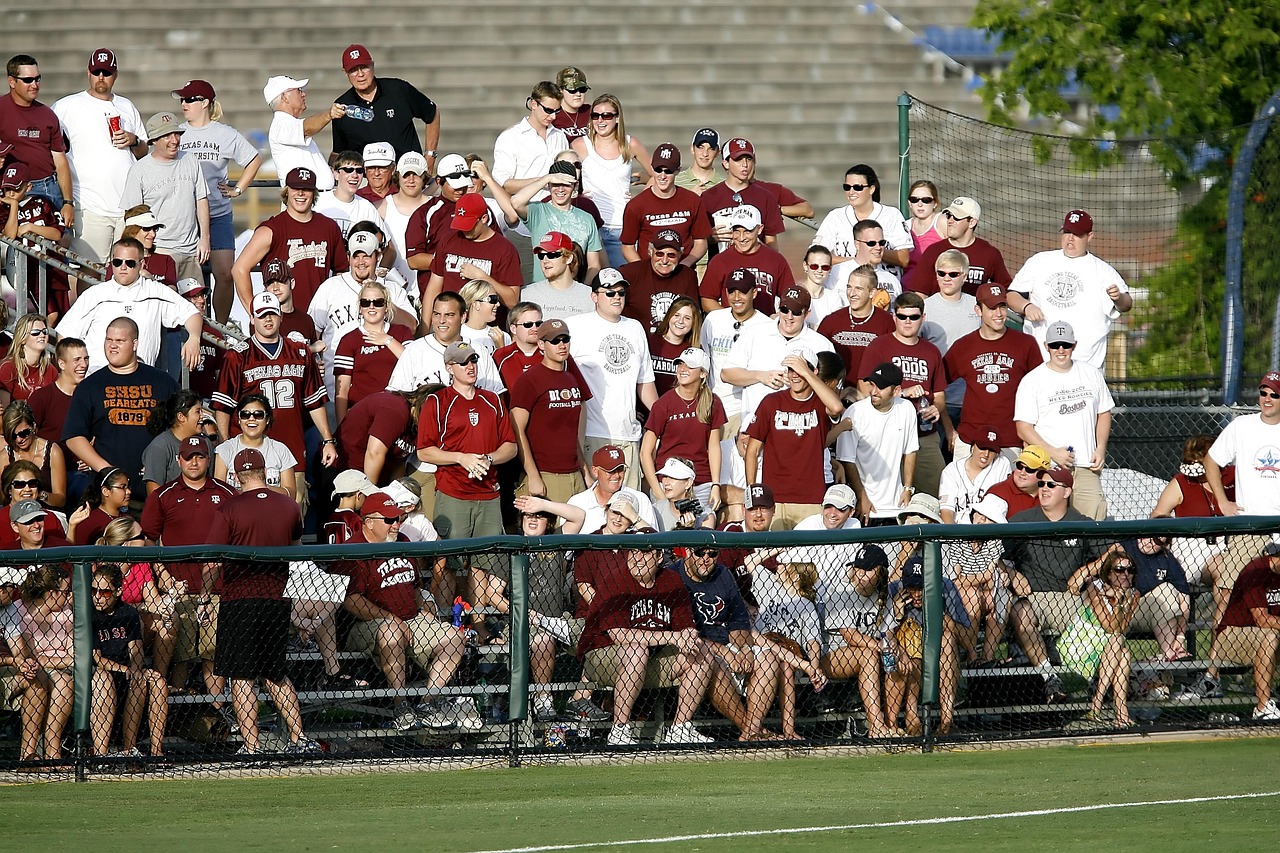
Social support plays a crucial role in the performance of athletes across various sports. It encompasses emotional, practical, and informational support from family, friends, coaches, and teammates. The presence of a robust support system encourages athletes to maintain their motivation and confidence, especially during challenging times. Support can take various forms, such as encouraging words, providing advice, or simply being present during competitions and training sessions. Studies have shown that athletes with strong social support systems tend to perform better due to reduced stress and anxiety levels. Additionally, social support fosters a sense of belonging and teamwork, which is vital in competitive sports environments. Coaches who actively promote a supportive atmosphere can help enhance the performance of their athletes. Furthermore, consistent recognition and appreciation from supporters can amplify an athlete’s determination to succeed. In stressful situations, knowing that a network of supporters is backing them can significantly improve focus and resilience. Thus, social support should not be overlooked in sports psychology as a key factor in optimizing athlete performance.
The importance of social support is evident in various research findings that explore its effects on athlete performance. Many studies indicate that athletes who perceive a high level of support experience less stress, which in turn enhances their performance capabilities. When athletes feel secure in the knowledge that their friends, family, and coaches are backing them, they are likely to perform at their peak levels. Moreover, strong social relationships can lead to improved mental health, which is essential for athletes facing physical and psychological pressures. Team dynamics are also positively influenced by social support, creating an environment where athletes can thrive. Moreover, the encouragement offered by teammates can result in increased self-esteem and the motivation to push personal boundaries. For instance, athletes may set higher goals when they believe they have the support of their peers and coaches. This collective strength cultivates resilience in the face of adversity, allowing athletes to handle pressure more effectively. In this way, social support acts as a catalyst for achieving and sustaining high performance in competitive sports.
Types of Social Support
There are various types of social support that can impact an athlete’s performance significantly. Emotional support involves providing empathy, encouragement, and reassurance to athletes during their training or competitions. This type of support helps to alleviate feelings of anxiety and grief, allowing the athlete to focus on their performance. Practical support includes tangible assistance, such as transportation to training sessions, provision of equipment, or nutritional guidance. This type of support allows athletes to devote their energy exclusively to enhancing their skills. Informational support refers to the guidance, advice, and resources provided to athletes, including performance feedback and strategic planning. All these types of support play vital roles in ensuring that athletes can manage the pressures that come with competitive sports. Furthermore, the combination of emotional, practical, and informational support creates a holistic environment capable of fostering remarkable performance levels. Understanding the interconnected nature of these supports illuminates strategies for enhancing performance through intentional support systems. Athletes should cultivate strong networks to harness these various support forms to navigate the challenges of competitive sports effectively.
The relationship between social support and athletic performance has profound implications in the field of sports psychology. Coaches and sports psychologists are encouraged to develop interventions that enhance the support systems surrounding athletes. Individualized approaches can be employed, where tailored strategies are created according to the unique needs of each athlete. By understanding the specific dynamics of an athlete’s support network, coaches can facilitate environments that maximize performance. Additionally, creating workshops focusing on building social skills and promoting positive team culture can reinforce the importance of social support. When team members feel connected, the psychological benefits can result in remarkable growth in group performance. Furthermore, athletes should be educated about the importance of seeking and providing support within their circles, nurturing a reciprocal relationship. This mutual support strengthens team cohesion and enhances emotional resilience. By recognizing social support as an integral aspect of athletic training, psychologists and coaches can better equip athletes with the tools they need to handle the pressures of competition. Recognizing the significance of connections can unlock true potential and performance peaks.
Challenges in Obtaining Social Support
Despite the evident benefits of social support, many athletes encounter challenges in accessing it. Factors such as geographical distance, lack of understanding from coaches, and individual personality traits can hinder the formation of effective support systems. For instance, athletes living far from their families may feel isolated and disconnected, limiting their emotional support. Additionally, some athletes may struggle with opening up and expressing their needs, which can prevent them from garnering the support they require. Coaches may inadvertently dismiss the importance of emotional support, focusing solely on performance metrics. This oversight can alienate athletes and create barriers to building necessary relationships. Furthermore, athletes in individual sports may experience a unique set of challenges, as they may lack the team-based support systems common in team sports. To address these challenges, athletes can focus on proactive communication and training to enhance their interpersonal relationships. Developing channels for regular check-ins with supporters can also help bridge distance gaps and garner support when needed, transforming challenges into opportunities for building resilience and endurance during competitions.
In order to harness the benefits of social support, athletes can implement various strategies to foster these connections. First, establishing clear communication channels with coaches, teammates, and family members is essential. Regularly scheduled meetings can help athletes articulate their challenges and needs. Additionally, athletes can seek feedback from their support circles on how they can improve their performance and mental well-being. Building strong, trusting relationships takes time, but prioritizing these relationships is crucial for long-term success. Engaging in team-building activities and social events fosters camaraderie and strengthens bonds. Coaches should also be trained to recognize and encourage positive interactions among athletes. Implementing mentorship programs where experienced athletes support novices can create a culture of camaraderie and mutual support. Athletes should also take the initiative to reach out to peers to build rapport, ensuring they have a network to lean on during tough times. By actively cultivating these relationships, athletes can fine-tune their ability to ask for and offer support when necessary, ultimately leading to improved performance on and off the field.
Conclusion: The Role of Social Support
The role of social support in enhancing athlete performance cannot be overstated. Athletes equipped with strong, diverse support systems demonstrate greater resilience, focus, and overall performance levels. The multi-faceted benefits of social support encompass emotional well-being, practical assistance, and vital information exchange, which prove indispensable in competitive sports. By fostering a supportive environment, coaches and teammates can nurture an atmosphere where athletes thrive. Additionally, athletes should prioritize cultivating personal networks and building communication channels with their supporters. Engaging in open dialogue surrounding needs and challenges strengthens these relationships and encourages collective growth. Importantly, sports psychology plays a critical role in educating athletes about the value of social support and teaching strategies to effectively access and utilize it. In this regard, coaches and psychologists must work together to develop programs that underscore the importance of connection and community. Ultimately, the intersection of social support and athletic performance creates a pathway to success that extends beyond mere physical training, emphasizing the psychological fortitude required for peak performance.