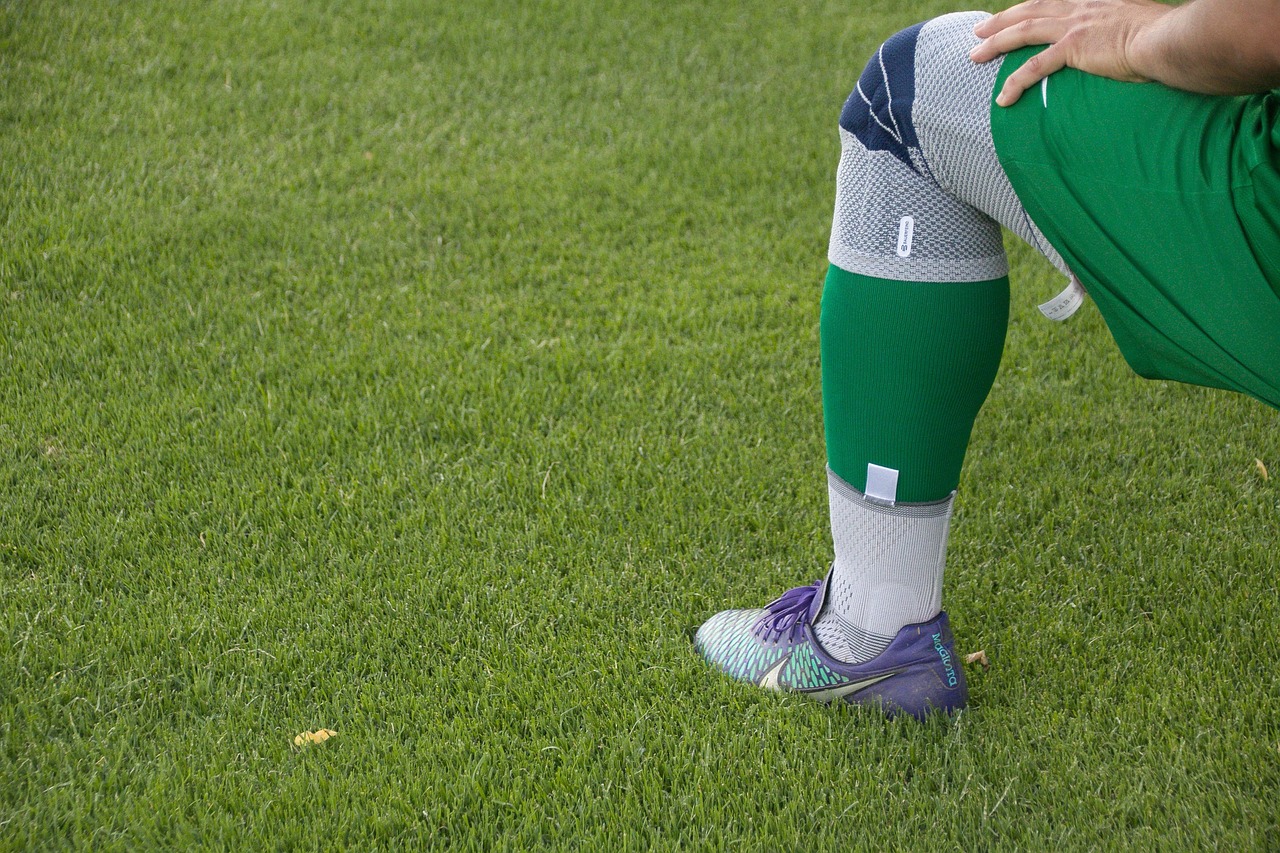

Use of Taping and Bracing in Sports Injury Management
The application of taping and bracing has become an essential aspect of sports medicine, aiding in the rehabilitation process of athletes. These methods offer support and stability to injured joints and muscles during recovery. Taping techniques can facilitate proprioception, allowing athletes to regain awareness of body position and movement, which is vital for effective rehabilitation. They also help in reducing pain and swelling by providing mechanical support to the injured area. Taping is often used in conjunction with other interventions, such as physical therapy, to enhance recovery. Bracing, on the other hand, offers a more rigid form of support, delivering immobilization and protection for joints that require more structured attention. Sports professionals often recommend specific bracing types depending on the nature of the injury, its severity, and the stage of healing involved. By integrating taping and bracing into treatment protocols, healthcare providers can optimize rehabilitation outcomes. Overall, these practices play a critical role in restoring athletes to their pre-injury levels, enabling them to safely resume competition. An understanding of taping and bracing principles can improve injury management strategies.
The choice between taping and bracing heavily relies on several factors, including injury type and individual athlete needs. Recognizing the distinction between these methods is crucial for effective application. Taping generally provides less rigid support, enhancing mobility while offering proprioceptive benefits. It is often preferred for minor injuries, such as sprains, where slight movement is encouraged. Conversely, bracing offers heightened stability and is recommended for significant injuries like fractures or severe ligament tears. Athletes returning from injury frequently utilize braces to safeguard vulnerable body parts during high-risk activities. Braces can be customized or adjusted to cater to unique anatomical considerations, ensuring enhanced comfort and protection. Additionally, the use of bracing serves as a precautionary measure, reducing the risk of re-injury during critical healing stages. Emerging research indicates that these support strategies can lead to increased confidence in athletes, resulting in improved performance under competitive conditions. Hence, a thorough assessment by sports medicine professionals is vital for determining the most appropriate intervention. An individualized approach can significantly optimize treatment outcomes and help athletes return to peak performance more effectively.
Clinical Guidelines for Taping Techniques
Implementing appropriate taping techniques in sports injury management necessitates adherence to standardized clinical guidelines. These guidelines detail the processes involved in taping various body parts, ensuring safety and efficacy. Initial assessment of the athlete’s condition should include a comprehensive evaluation of the injury, focusing on factors such as pain levels, range of motion, and swelling. Subsequently, the practitioner can select an appropriate taping method tailored to the specific needs. Common techniques, such as kinesiology taping, provide substantial benefits by allowing natural movements while still offering support. Knowledge of proper tape application is crucial; incorrect methods may exacerbate injury instead of providing necessary relief. The taping should be initiated below the injured area and gradually applied upward without constricting circulation. Careful consideration of tape tension is essential, as excessive pressure can hinder performance. Furthermore, post-application checks ensure adequate circulation and comfort. Incorporating evidence-based practices into taping methods empowers sports professionals to deliver efficient care. It is advisable for practitioners to regularly update their skills through continuing education, ensuring they remain informed on evolving taping techniques and their applications in sports medicine.
Bracing considerations extend beyond injury recovery; they also encompass strategies for prevention during high-impact activities. Athletes facing recurrent injuries may benefit significantly from using braces, which reduces the likelihood of setbacks. Custom-fit braces cater to the unique requirements of individual athletes, providing balanced support while allowing for optimal performance. Adherence to protocol in selecting the appropriate brace plays a critical role in the effectiveness of this approach. Furthermore, addressing any discomfort associated with bracing is vital; an effective communication channel between athletes and medical personnel helps to resolve fit-related issues. Athletes’ goals should inform the bracing approach, ensuring that they are adequately supported while engaging in desired activities. Training sessions should include familiarization with the brace, allowing the athlete to adapt to its presence. Additionally, regular reviews of bracing effectiveness ensure that adjustments can be made based on feedback, adapting strategies as needed. Ensuring active participation and input from athletes regarding their ongoing treatment fosters empowerment and enhances overall trust in the process of recovery. This collaborative approach is instrumental in achieving successful outcomes.
Advanced Taping and Bracing Techniques
As sports medicine advances, so too do the techniques utilized in taping and bracing. Emerging innovations such as dynamic taping involve specialized techniques that provide functional support to injured areas while promoting movement. These methods enhance rehabilitation efforts, enabling athletes to train while addressing injury concerns. Aspects of neuromuscular facilitation can be incorporated into taping, further assisting in the activation of weakened muscles. Bracing technology has also evolved, with options available that include adjustable components for personalized support. These innovative products allow athletes to modify their braces based on activity levels and specific requirements. Adoption of tape materials that provide moisture-wicking properties ensures comfort during prolonged use, addressing athletes’ concerns about skin irritation. Regular research into the physiological effects of customized taping and bracing approaches contributes to their effective integration into injury management protocols. Continuous evaluation of athletes’ responses to these methods informs further refinement of practices. Lastly, incorporating these cutting-edge methods into training programs for sports medicine professionals helps share knowledge, fostering an environment of best practices that promote athlete well-being.
Education on taping and bracing practices is essential for both athletes and sports professionals, creating a knowledgeable community capable of addressing injuries effectively. Workshops and seminars can facilitate hands-on experiences with various taping and bracing techniques, equipping attendees with practical skills that can be implemented in real-life situations. Providing accessible educational resources, such as guides, videos, and demonstration sessions, can further enhance understanding of these techniques’ significance in injury management. Engaging athletes in this process fosters active participation in their recovery, ultimately leading to improved outcomes. Moreover, developing guidelines that promote collaboration between coaches, trainers, and medical personnel ensures a well-rounded approach to injury prevention and management. This collaborative effort can serve to normalize the conversation surrounding injuries, encouraging athletes to seek help promptly rather than ignoring pain. Furthermore, integrating technology such as mobile apps to track injury management can streamline communication, making it easier to monitor progress and adjust treatment protocols. Emphasizing the value of education surrounding taping and bracing techniques enhances not only recovery but also injury prevention strategies across various athletic disciplines.
Conclusion and Future Directions
In conclusion, the integration of taping and bracing into sports injury management reflects an evolving understanding of athlete care. A concerted effort between healthcare providers, athletes, and coaches can establish tailored interventions that significantly enhance recovery and performance. Remaining adaptable and receptive to novel techniques ensures that injury management strategies remain effective and aligned with the latest research findings. Looking forward, continued research into the intricacies of taping and bracing can unveil further innovations in sports medicine. Focus should also include evaluating the psychological benefits associated with the use of these modalities, exploring how they impact athletes’ confidence and overall performance. Enhancing education across all levels of sport encourages adherence to best practices and instills a culture of care and safety. As our understanding deepens regarding the relationships among support strategies, rehabilitation, and injury prevention, all stakeholders can collaborate to create strategies that expand the boundaries of athlete recovery. Ultimately, fostering a proactive approach can empower athletes to achieve their highest potential while reducing injury prevalence in competitive environments.
The role of taping and bracing is indispensable in achieving optimal injury management for athletes. From the initial evaluation through rehabilitation, these practices significantly contribute to the recovery journey.