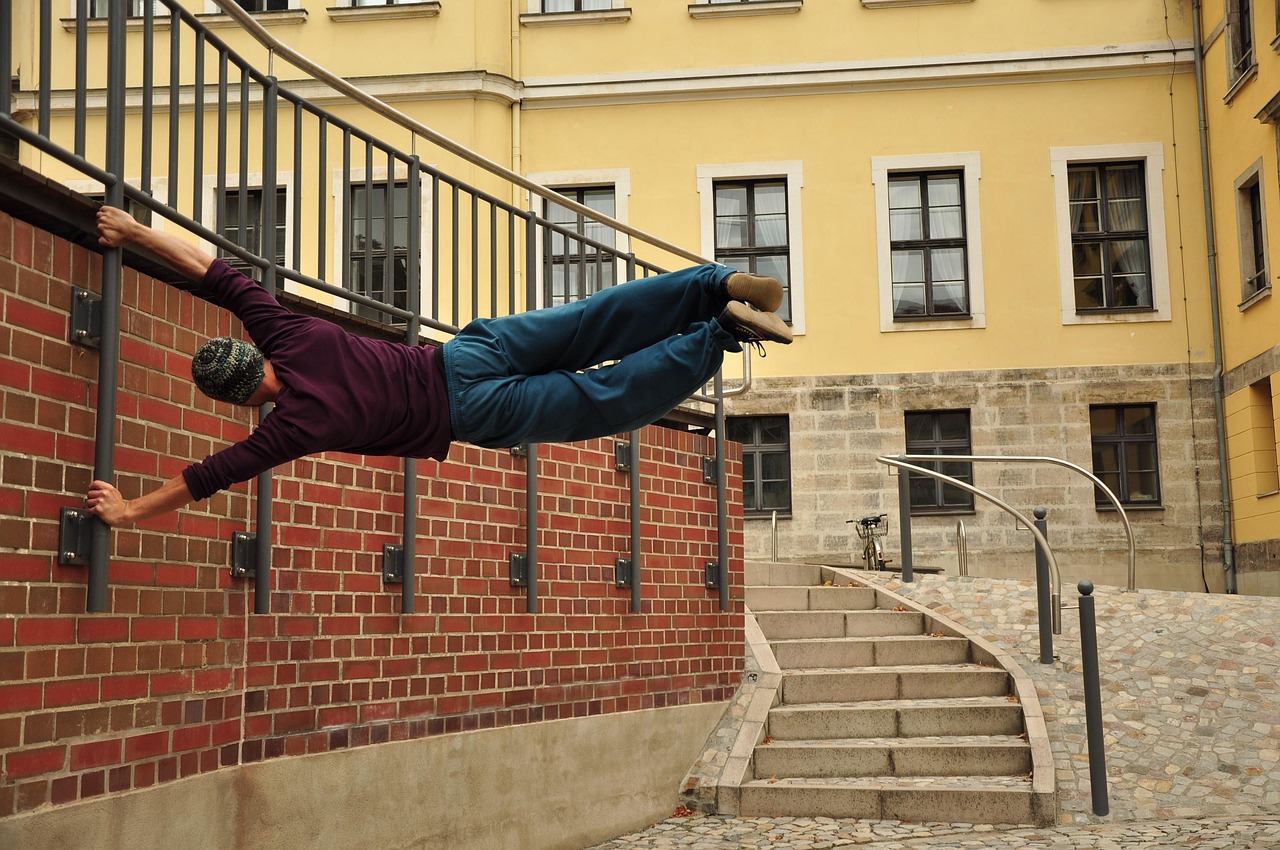

Adapting Parkour Moves for Indoor Settings
Parkour is an exhilarating discipline that emphasizes fluidity, movement, and creativity. To effectively adapt parkour moves for indoor environments, practitioners must consider various factors. Indoor spaces often present unique challenges, such as limited room, unexpected obstacles, and more rigid surfaces. Therefore, understanding the layout of the chosen space is essential. Before executing any movements, spend time assessing potential hazards, including low ceilings, sharp edges, and objects that could impede performance. Flexibility is crucial, as adapting movements can enhance safety and encourage smoother transitions. Practitioners should experiment with variations of traditional parkour maneuvers, such as wall runs, flips, or vaults, to find techniques suitable for indoor conditions. By approaching the discipline in this manner, you can develop new skills while maintaining the core principles of parkour. Ultimately, becoming comfortable with your environment fosters creativity and confidence in your abilities, even when the surroundings differ greatly from open outdoor spaces. Thus, strengthen your adaptability to maximize your parkour experience indoors. Indoor training can serve as an excellent opportunity to refine techniques and build strength and endurance, vital attributes for any parkour practitioner.
Planning your indoor parkour sessions can significantly enhance your training. Start by choosing a location that offers ample space and minimal distractions. You may opt to train within a gym or a dedicated parkour facility, where obstacles are specifically designed for movement. Create a structured session outline that includes specific skills, warm-ups, cool-downs, and techniques to practice. This structured approach can benefit all levels, from beginners to advanced users. Talk with fellow practitioners to gain insights and tips on optimizing your training. Consider including a variety of movements, such as precision jumps, rolls, and balance work, to develop a well-rounded skill set. Additionally, setting realistic goals for each session will help you stay focused and measure progress. Document your achievements, whether through video recordings or a training journal. This can be invaluable not only for self-reflection but also to track your improvement over time. Seek out collaborative training opportunities with others. Training with peers allows for sharing ideas and techniques while providing motivation and inspiration. Engaging with fellow enthusiasts can enrich your indoor parkour practice and enhance your overall experience.
Safe Indoor Techniques
Safety is essential when practicing parkour in indoor settings. Consider investing in appropriate footwear; shoes should offer support, grip, and cushioning to enhance performance while minimizing the risk of injury. Wearing the right clothing is also crucial for comfort and freedom of movement. Choose gear that allows natural movement without restriction. Before attempting any new techniques, ensure you warm up adequately to prevent injuries. Simple stretching and mobility exercises promote flexibility and muscle readiness. Focus on core stability, which supports diverse movements. Practicing foundational techniques, such as rolls, can protect your body and minimize injuries during training. Indoor parkour should also emphasize maintaining awareness of your surroundings. This includes understanding the placement of obstacles and potential hazards. Allocate time for recovery as well, since overtraining can lead to burnout and injuries. Use foam pits or pads to cushion falls and explore new skills without the fear of injury. Finally, engaging in cross-training activities, such as yoga or strength training, can significantly benefit your overall performance and safety in parkour sessions. Proper preparation enhances your experience, fosters confidence, and cultivates a sustainable practice.
Mastering indoor parkour requires creativity. Experiment with various movements and combinations that suit the environment. Understand that space limitations demand a unique approach to typical parkour techniques. For example, instead of expansive jumps, focus on precision landing and controlled movement distances. Consider adapting vault techniques by utilizing furniture, such as benches or tables, to maintain fluidity and creativity in training. Always be open to modifying movements to adapt to the indoor environment. Practicing flow routines can enhance your ability to transition smoothly between techniques. A flow state encourages a seamless, uninterrupted experience during training sessions. Incorporating practice drills tailored to your indoor space can greatly enhance your skills. Using obstacles creatively, develop drills that encourage hand-eye coordination and enhance reaction time. Vary the dimensions and heights of obstacles to challenge yourself further. By diversifying your indoor training regimen, you can hone your skills for unpredictable outdoor conditions. Documenting your progress alongside these adjustments allows you to reflect on gains made throughout your journey. Ultimately, embracing creativity within indoor environments can lead to surprising discoveries in technique that expand your overall parkour repertoire.
Community and Collaboration
Building a community around indoor parkour can enrich your training journey. Collaborate with fellow practitioners to share techniques, ideas, and insights. Organizing indoor parkour meetups cultivates camaraderie and collective learning experiences. Engaging with other enthusiasts creates a support system that fuels motivation and inspiration. Whether in a dedicated gym or a casual space, group training allows participants to learn from one another. You can create challenges that encourage friendly competition, fostering personal growth while maintaining fun. Additionally, workshops and classes led by experienced practitioners offer insights into refining your techniques. Participating in such programs allows for direct feedback and expert guidance in a controlled environment. Social media platforms serve as a great resource for connecting with like-minded individuals and discovering opportunities for indoor parkour gatherings. Online communities often share footage of unique indoor spots that support parkour practices. This collaboration fosters continuous improvement, enabling you to break through boundaries while staying connected with a vibrant community. Ultimately, engaging with others motivates individuals to explore new ideas, enhancing the overall experience of practicing parkour indoors.
Adapting parkour techniques for indoor environments entails a commitment to exploration and finesse. Optimize your mental approach by visualizing your movements before executing them. Visualization plays a crucial role in mastering new skills, particularly in confined spaces. Developing strong mental imagery techniques allows practitioners to become acquainted with difficult maneuvers before attempting them physically. This mental preparation can alleviate anxiety related to performance and risk of injury. Additionally, practicing breathing techniques during your training sessions can eventually enhance your overall focus and calmness. Always remember the importance of consistency in your training efforts; the more you practice, the more comfortable with your movements you’ll become. Establishing a routine can help develop muscle memory and confidence. In your indoor parkour journey, don’t forget the value of reflection. Frequently reassess techniques, focus areas, and outcomes achieved. Set aside time to analyze what worked well and areas needing improvement. This self-evaluation ensures that your indoor practice remains productive and goal-oriented. Staying persistent and willing to adapt will foster continuous growth in your parkour capabilities. Over time, improving concurrent outdoor skills enhances indoor practice, creating a seamless blend of performance in various environments.
Conclusion
Adapting parkour moves for indoor settings is not solely about limiting adventurous flair and skill but refining techniques that maximize potential. Remember, successful transitions between environments stem from careful planning, creative exploration, and integrations of safety measures. Facilitating personal development requires dedication to the essentials of movements, along with the understanding of unique spaces. Practicing with purpose ensures that you maintain skill progression while cultivating awareness of surroundings and limiting injuries. Keep in mind that indoor parkour is an enjoyable experience, emphasizing fluidity and adaptability rather than strict limitations on movement. The challenge of training indoors can encourage you to explore various avenues of parkour, ultimately enhancing the effectiveness of outdoor practices. Ensure that you collaborate, learn from others, and share experiences to enrich your knowledge and perspectives. As methods shift, harbor curiosity and embrace experimentation to grow beautifully within this vibrant discipline. Emphasizing ongoing improvement fosters a wider array of techniques and an enhanced understanding of how best to adapt to varied environments. Ultimately, these principles, along with passion and creativity, will define your journey in both indoor and outdoor parkour, ensuring a fulfilling experience every time.