
How to Perform Plyometric Plank Variations for Core Strength
Plyometric plank variations are an excellent way to enhance your core strength while adding an element of explosiveness to your workout routine. These exercises not only engage your abdominal muscles but also improve balance and overall body stability. When performed correctly, plyometric planks can increase your heart rate and provide a comprehensive workout. To begin, make sure your body is properly warmed up, with dynamic stretching focusing on the core and legs. As with any exercise, maintaining proper form is crucial to prevent injury. Pay special attention to your back alignment, keeping it straight throughout the movement. This will ensure the intensity and effectiveness of the workout. Start with lower intensity and gradually progress to more advanced variations as you gain strength and confidence. Incorporate these exercises into your routine two to three times a week for optimal results. Remember that consistency is key! Begin your plyometric journey with simple variations and as you advance, try incorporating more explosive movements to challenge your core and take your fitness to the next level.
Before diving deeper into plyometric planks, let us review some fundamental variations to get started. The basic plank holds tremendous value on its own, but by adding explosive elements, you turn it into a more dynamic exercise. The first variation to try is the Plyometric Plank Jack. From a standard plank position, jump your feet out wide and then back together, engaging your core to stabilize. Perform this for several reps, focusing on maintaining proper body alignment and control. Another variant is the Plyometric Plank to Push-Up. Start in a plank position, lower your body, and explosively push back up into the plank. Following these two exercises, you can try out the Side-to-Side Plank Hops. This exercise involves hopping from side to side while maintaining the plank position. Each variation targets different core muscle groups while keeping your heart engaged. Ensure you rest adequately between sets to maintain performance and reduce the risk of fatigue. The focus should always be on form and control rather than just the number of repetitions.
Proper Form and Technique
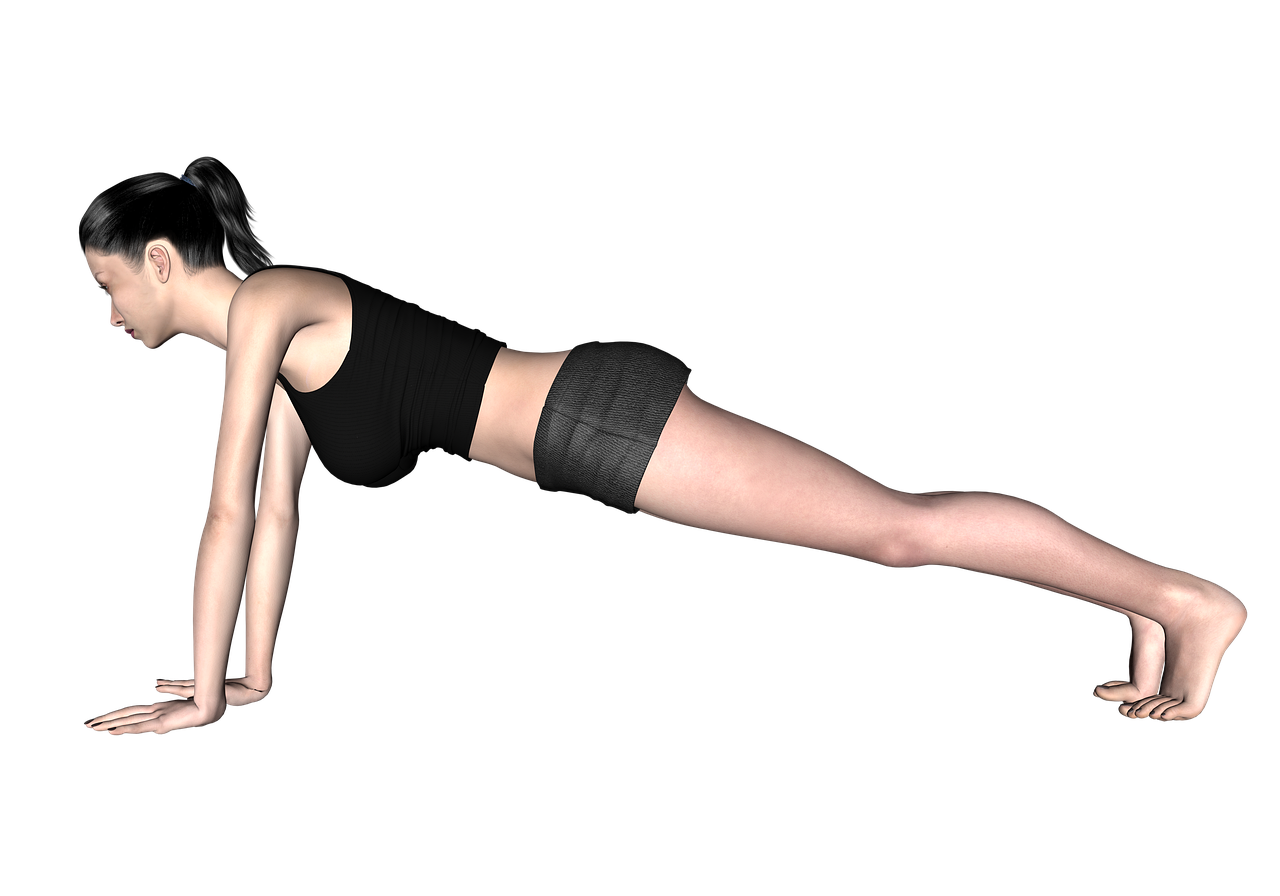
When executing plyometric planks, proper form is essential to prevent injuries and maximize the workout’s effectiveness. The basic starting position for all variations is vital. Begin by getting into a plank position with your hands shoulder-width apart and your shoulders over your wrists. Your body should form a straight line from your head to your heels. Avoid letting your hips sag or lift too high. Core engagement is critical throughout, as it stabilizes your spine and protects your lower back. Concentrate on drawing your navel towards your spine, creating tension through your abdominal muscles. Furthermore, your breathing should remain controlled; exhale sharply during explosive movements and inhale during the recovery phase. This control not only enhances the workout’s intensity but also prevents excessive strain. Additionally, ensure your knees are below your hips when transitioning into variations like the plank jack or push-up. Take your time in mastering the fundamental movements. A good warm-up, proper form, and a cool-down routine afterward can facilitate recovery while enhancing the benefits of these powerful exercises.
It is vital to build a sustainable plyometric plank workout structure as you progress. Start by determining your fitness level and the number of repetitions or sets you can comfortably achieve while maintaining good form. An effective routine may include starting with three sets of each variation, with 8 to 12 repetitions per set. As you grow stronger and gain endurance, gradually increase the repetitions or sets, or decrease your rest intervals. This progressive overload is essential to building strength and enhancing performance. Remember to listen to your body; avoid pushing yourself too hard and allow enough time for recovery, especially in the beginning. A cooldown comprising static stretches can greatly aid muscle recovery. Finally, consider integrating plyometric planks into a broader core strength program that incorporates other dynamics, such as medicine ball exercises or resistance band training focused on the core. Ultimately, tracking your progress can motivate you and highlight the improvements you’ve made, encouraging continued commitment to your fitness journey. Staying consistent while ensuring gradual advancement can lead to long-lasting results.
Common Mistakes to Avoid
As with any exercise, there are common mistakes to avoid while performing plyometric planks to prevent injuries and reduce the chances of ineffective workouts. The first mistake is performing the exercises too fast, leading to compromised form and increased injury risk. Focus on controlled movements, maintaining proper alignment, and avoiding momentum. Secondly, many individuals forget about their breathing. Holding your breath during exercises can lead to fatigue, affecting performance. Instead, find a rhythm that allows for controlled breathing throughout your workout. Another mistake is not fully engaging the core muscles. When the core is underactive, other muscles may compensate excessively, leading to strain and potential injuries. Keep your core engaged during every movement to maximize the effectiveness of each variation. Lastly, ensure you are not pushing beyond your capability right from the start. Building strength takes time; allow your body to adjust and strengthen gradually. Concentrate on slowing the motions while focusing on form to gain the most benefit from your plyometric plank variations.
Beyond strength training, plyometric planks also cater to athletic performance enhancement. In sports requiring agility and quick changes in direction, possessing a strong core plays an essential role. Strengthening this area through plyometric variations can lead to improved explosiveness on the field or court. Activities like sprinting, jumping, or quick turns rely heavily on stable core muscles to enable powerful, efficient movements. Integrating plyometrics into your core workout not only enhances physical strength but also increases athletic efficacy. Furthermore, plyometric plank variations build muscle endurance, which allows for longer sessions without fatigue. Implementing these variations can result in better overall control during physical activities, resulting in enhanced performance in competitive situations. Additionally, they help develop coordination and balance, crucial for athletes in various disciplines. Many athletes report improved game performance and reduced fatigue after incorporating plyometric core workouts. In tandem, consider cross-training with complementary activities like yoga or Pilates, focusing on flexibility and recovery to support robust athletic performance and overall physical readiness. This diverse approach will effectively create a well-rounded fitness regimen.
Conclusion and Next Steps
In conclusion, plyometric plank variations significantly enhance core strength and overall fitness when integrated into a workout program. By focusing on proper form, progression, and consistency, individuals can achieve impressive strength and endurance gains while preventing injuries. Start by incorporating simpler variations into your routine and grow as strength builds. Remember to maintain your core engagement, focus on your breathing, and listen to your body’s needs. Set your workout days to allow optimal recovery time, ensuring your muscles are ready for increased intensity. Document your progress over time to visualize achievements and remain motivated. Besides performing plyometric planks, consider pairing them with an overall fitness program that addresses various muscle groups and angles, combining strength training with flexibility conditioning. As you continue this journey, adapt workouts to ensure they grow with you and remain challenging. Furthermore, stay updated with the latest research and trends in fitness to keep workouts fresh and engaging. Join groups or forums with similar fitness goals to gain exchange ideas and support, enhancing motivation and commitment to achieving your health and fitness aspirations.
As you venture deeper into plyometric training, consider diversifying your workouts to avoid stagnation and to keep challenging your muscles. Think of incorporating plyometric exercises outside just plank variations. Movements such as box jumps, burpees, or squat jumps can all complement your core building efforts. Engaging in these additional exercises will enhance your cardiovascular fitness while further developing strength. Moreover, adapting your routine to include functional training moves can significantly enhance your overall athletic performance. Functional moves like kettlebell swings or battle ropes work multiple muscle groups while also supporting core strength development. As a result, these will provide more comprehensive benefits for your fitness journey. Always set goals that are both realistic and challenging enough, this approach can help maintain motivation over time. Remember to cross-train with cardio, strength, and flexibility workouts, ensuring a well-rounded fitness experience. Also, don’t hesitate to reach out for professional coaching if necessary, as this can provide tailored guidance and inspire you to break barriers. Remember to celebrate every achievement and remain focused on your long-term fitness aspirations!