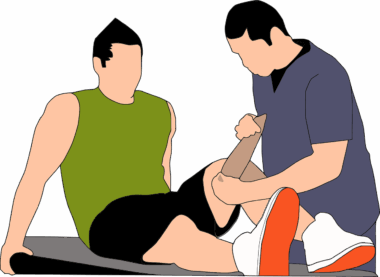

Tailoring Massage Techniques to Individual Injury Prevention Needs
Massage therapy plays a critical role in injury prevention, offering customized approaches that cater to individual needs. By assessing the specific requirements of each client, therapists can tailor techniques accordingly. This personalized method enhances effectiveness and promotes overall well-being. Various massage techniques are beneficial for injury prevention, including Swedish massage, deep tissue, and sports massage. Each technique serves a unique purpose in manipulating soft tissues to alleviate tension and enhance flexibility. Understanding the body’s mechanics is essential for therapists to identify areas that may be prone to injury. Assessing an individual’s activity levels and history of injuries is crucial during this process. Effective communication between clients and therapists helps identify specific pain points or areas of concern. Furthermore, developing a detailed treatment plan can significantly reduce the likelihood of future injuries. Therapists can educate clients on self-care practices, such as stretching and strengthening exercises. These practices complement massage therapy, creating a holistic approach to rehabilitate the body. Ultimately, this synergy between therapy and personal resilience fosters a robust foundation for lasting health.
By focusing on individual needs, massage therapy offers exceptional opportunities for injury prevention. Proper assessment ensures that the most effective modalities are utilized for each client. For example, if a client exhibits tightness in their hamstrings, specific techniques targeting that area will be beneficial. Therapists can incorporate methods like myofascial release or trigger point therapy to increase circulation and decrease pain. Chronic conditions, such as arthritis or previous injuries, should also be considered when tailoring massage techniques. Clients with sports backgrounds might require a mix of active release and deep tissue therapy to support muscle recovery and prevent injuries. Since athletes experience various stresses on their bodies, understanding their training routines is essential. Therapists should gather comprehensive information about the client’s goals and physical activities. Personalization extends beyond the technique; factors such as pressure preference and comfort levels also play a vital role. Individualized care ensures that sessions are both effective and enjoyable for the client. Thus, the success of massage therapy in injury prevention largely hinges on the therapist’s understanding of each person’s physical and emotional needs. This leads to a stronger, more resilient body prepared for life’s challenges.
Techniques and Their Benefits
Tailored massage techniques provide numerous benefits to individuals seeking injury prevention. Among the most practiced methods is sports massage, which prepares the body for physical exertion. This technique increases blood flow and oxygen delivery to working muscles, promoting efficient function during workouts. Additionally, it aids in quicker recovery post-exercise, allowing the individual to maintain their training schedule without interruption. Another valuable technique is Swedish massage, renowned for its gentle strokes that promote relaxation and reduce muscle tension. This relaxation helps counteract the physical stresses that accumulate from daily activities or intense workouts. Furthermore, deep tissue massage focuses on realigning deeper layers of muscles and connective tissues, effectively addressing chronic pain and tension. This method is particularly helpful for individuals prone to injuries, as it focuses on realigning muscle fibers and facilitating proper muscle mechanics. Myofascial release is another effective technique that targets connective tissues to relieve pain and restore function. Each of these approaches, when tailored to individual needs, ensures a complete plan for injury prevention. Ultimately, these techniques empower individuals, enabling them to proactively engage in activities they enjoy while minimizing the risk of injury.
Effective communication is essential for tailoring massage therapy to the individual’s injury prevention needs. During the initial session, therapists should ask detailed questions about the client’s medical history, lifestyle, and any specific areas of concern. Understanding factors that contribute to physical strain enables therapists to personalize approaches. This includes discussing the client’s job, sports played, and even hobbies that may impact their body. Additionally, practitioners should encourage clients to express their preferences regarding pressure levels and massage techniques. Clients may respond differently to various methods, making feedback crucial for ongoing treatments. Continuously refining techniques based on client responses leads to improved outcomes and satisfaction. Follow-up assessments can help identify progress and any new issues that arise over time. Clients often experience shifts in their bodies and may need adjustments to their treatment plan. Underlying conditions may influence the need for different approaches and care levels. Furthermore, ongoing education allows therapists to empower clients with knowledge about their injuries and preventive measures. Providing resources, such as stretching exercises or information on maintaining healthy habits, reinforces the collaboration between therapist and client towards achieving greater physical health.
Benefits of Preventive Massage Care
Preventive massage care offers extensive benefits beyond merely avoiding injuries. One of the key advantages includes improving overall flexibility and range of motion. Enhanced flexibility assists in performing various activities, whether they are work-related or recreational, which decreases the likelihood of strain. With regular sessions, clients can enjoy increased peace of mind knowing they are actively investing in their physical health. Preventive massages can also contribute to stress reduction, as the relaxation response encourages mental clarity and emotional balance. When the body feels good, the mind often follows, enhancing overall well-being. Moreover, it increases circulation throughout the body, which helps maintain healthy tissue and organ function. This improved circulation assists metabolic processes and recovery from fatigue or stiffness. Regular preventive care creates a foundation from which individuals can build resilience against injuries and physical stresses. Clients may see improvements in their athletic performance as a result of better body mechanics and reduced muscle tightness. Consequently, this allows for longer, more effective training sessions and helps extend their physical capabilities. Massage therapy fosters a proactive approach toward physical health, positioning clients to enjoy an active, fulfilling lifestyle.
Incorporating massage therapy into a regular routine requires commitment and planning. Individuals seeking to benefit from preventive care should schedule appointments consistently, integrating sessions into their wellness plan. Setting a specific schedule enables both therapist and client to monitor progress and make necessary adjustments. Clients might be more inclined to prioritize self-care by viewing therapy as an essential aspect of their routine. Additionally, clients should be encouraged to practice self-care techniques between sessions. For example, light stretching, foam rolling, or even moderate exercise can enhance the benefits of massage therapy. Many practitioners offer education and resources to help clients understand how to maintain their physical condition. Engaging in at-home care reinforces the therapist’s efforts and empowers clients to take charge of their health. Nutrition and hydration also play a vital role in supporting wellness and injury prevention. By staying informed about proper dietary practices, individuals can enhance tissue repair and recovery. All of this creates a direct synergy between the therapy received and the lifestyle choices made by clients, which ultimately encourages better health outcomes and resilience against injuries.
Conclusion: The Holistic Approach to Injury Prevention
In conclusion, massage therapy offers a holistic approach to injury prevention by focusing on personalized care. Tailored techniques and effective communication foster a collaborative environment where individual needs drive treatment plans. Therapists adeptly assess each client’s unique physical makeup, integrating personalized modalities that promote flexibility, strength, and recovery. This comprehensive understanding of the individual equips clients with the tools necessary to maintain their health. As clients incorporate preventive measures and continue treatments, they develop resilience against injuries while improving overall wellness. Regular sessions serve as ongoing maintenance, ensuring that bodies remain in optimal condition for daily performance or athletic pursuits. By empowering individuals through education and encouraging self-care, massage therapists play a significant role in their clients’ journey toward better health. Moreover, by promoting awareness of the importance of muscle care and conditioning, massage therapy stands as a crucial component of an injury prevention strategy. With proactive care and commitment, individuals can stroll confidently through their lives, ready to face any challenges. Ultimately, investing in massage therapy is an investment in one’s health, leading to a more vibrant and active lifestyle, brimming with possibilities.
As the relationship between clients and therapists grows, long-lasting benefits can emerge. Developing trust enables clients to provide deeper insight into their physical conditions, while therapists can deliver more effective treatments. Overall, embracing individualized massage therapy as a preventive strategy offers not only physical benefits but also emotional security. This approach fosters a positive mindset and encourages individuals to prioritize health as part of their daily lives. An open dialogue between clients and therapists contributes to long-term wellness and injury prevention. In this context, each massage session becomes a valued opportunity for self-discovery and improvement, where clients leave with not just relaxation but a deeper understanding of their bodies. A well-rounded approach encompasses physical and mental health, creating a stronger foundation for full-life engagement. Following the discussed methods can support a sustainable future, where individuals thrive and physical capabilities expand. The synergy between physical practices and mental awareness consolidates therapeutic benefits. This balanced way forward invites clients to participate actively in their health journey, discovering the best pathways to resilience against injuries. As the knowledge of personal needs evolves, so does the capacity to handle life’s physical demands with confidence.