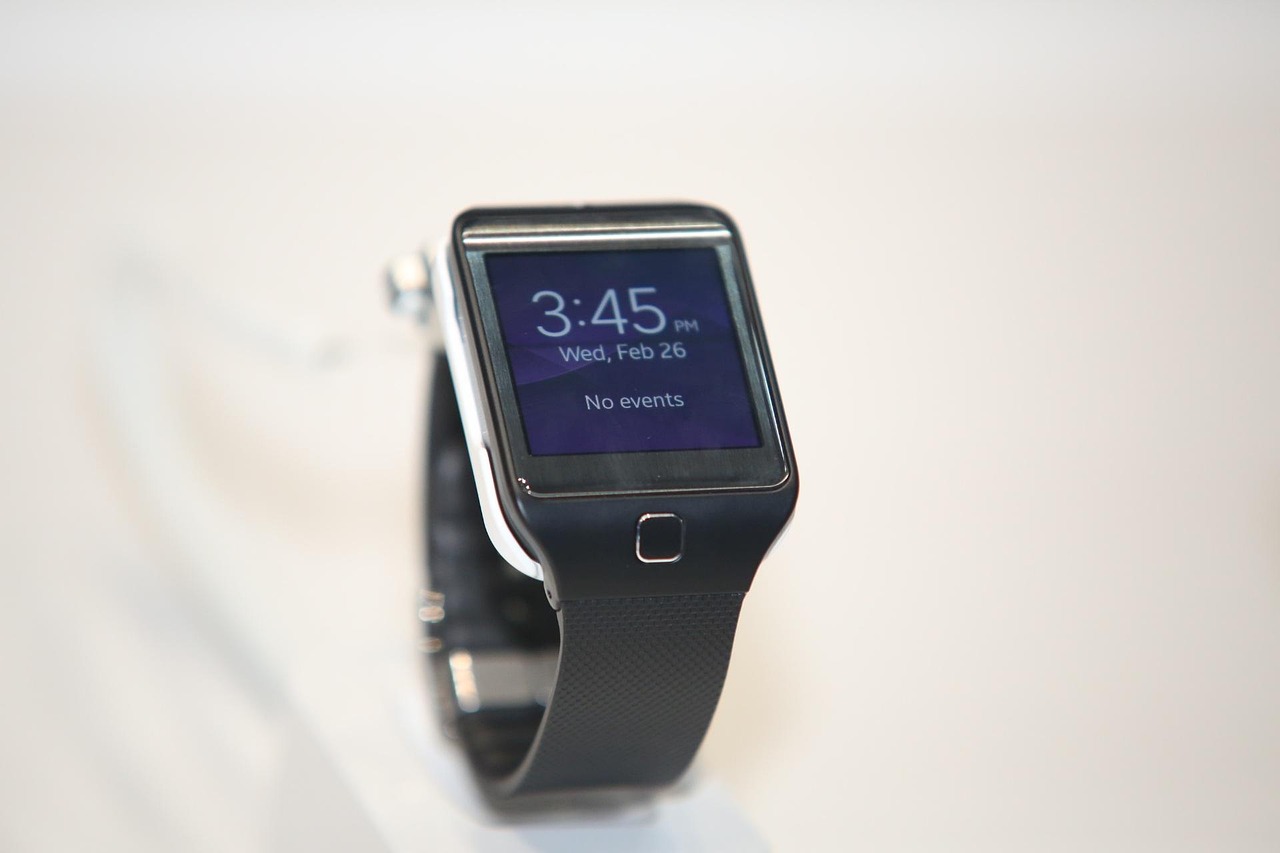

Technology and Functional Training: Apps and Wearables
In recent years, technology has significantly transformed the way we approach fitness, especially functional training. Fitness apps and wearable devices provide users with insights that were previously inaccessible. These tools help in tracking performance, monitoring heart rates, and even analyzing movement patterns. Popular apps like MyFitnessPal and Fitbit have gained immense popularity due to their comprehensive features. They offer users the ability to log workouts, food intake, and keep track of progress. Furthermore, wearables, such as smartwatches and fitness bands, are equipped with advanced sensors. These sensors can collect extensive data about your training sessions. Most importantly, this data can help fitness enthusiasts identify strengths and weaknesses. By utilizing these technologies properly, individuals can enhance their training experience. Having immediate access to performance metrics can encourage accountability and motivation. Additionally, the social aspects of fitness apps encourage community engagement among users. Groups or forums within these platforms can provide support and tips. This feature is particularly useful for beginners looking to establish a solid foundation in functional training. Overall, technology enriches the training process with precise feedback and increased compliance.
Functional training emphasizes exercises that mimic real-life movement patterns. This approach enhances not only strength but also flexibility, coordination, and endurance. Technology further amplifies these benefits by providing real-time feedback on your form and technique. Many apps incorporate video tutorials demonstrating proper exercise execution. This feature helps users avoid injuries while maximizing effectiveness. Moreover, the gamification aspect of many fitness apps encourages engagement and consistency. Users can set goals, earn rewards, and compete with friends, turning workouts into fun challenges. By incorporating educational resources, these apps empower users to make informed decisions about their fitness. Another significant benefit of wearables is their ability to monitor recovery. Many devices analyze sleep patterns and activity levels. This data helps individuals understand their body better and adjust training accordingly. Tracking progress through metrics like heart rate variability or calorie expenditure allows for smarter training decisions. Additionally, functional training routines can be customized based on individual data inputs. This personalization leads to more effective workouts. Overall, the synergy between technology and functional training presents exciting opportunities for fitness enthusiasts. With the right tools, users can optimize their fitness journeys.
Choosing the Right App or Wearable
Choosing the right fitness app or wearable device can significantly impact your functional training experience. It’s essential to consider factors such as compatibility, features, and user interface before making a purchase. Begin by identifying your fitness goals and the specific functionalities you desire. Some apps are geared towards strength training, while others may focus on cardio or flexibility. Additionally, the user experience can vary greatly between different platforms. Look for apps that are intuitive and easy to navigate, as a straightforward interface can enhance your training sessions. Popular fitness devices, like the Apple Watch or Garmin Forerunner, offer diverse functionalities made for various users. Features available can include GPS tracking, heart rate monitoring, and customization options. Always read reviews and seek recommendations from fellow fitness enthusiasts. This groundwork can save you from investing in apps or devices that may not meet your needs. Moreover, consider whether an app has additional community support or resources available. Be sure to explore any trial options, as many fitness apps offer limited-time trials for potential users. This way, you can explore functionalities in-depth before committing to a subscription.
Once you’ve settled on an app or device, integrating it into your functional training regime is crucial. Begin by syncing your wearable with your smartphone and customizing it to reflect your fitness goals. Most applications provide initial assessments or introductory workouts to set a baseline. By completing these steps, you’re informing the app of your capabilities, enabling it to tailor recommendations accordingly. Regularly update your activities and performance metrics. This keeps the app’s suggestions relevant and personalized, guiding you through your fitness journey. Remember, data tracking should enhance your workouts, not overwhelm you. Thus, focus on actionable insights rather than becoming bogged down with excessive metrics. Over time, revisit your progress to gauge improvements and areas for enhancement. Continually adjusting your training program based on data insights leads to better results. Additionally, it helps in maintaining motivation and adhering to a consistent routine. In the context of functional training, addressing weaknesses or underdeveloped areas becomes easier with this feedback loop. Clearly defined progress markers can inspire you to push boundaries again and again, making fitness more rewarding. Technology and personalized data can enhance the overall efficacy of functional training.
Community Engagement and Support
One of the most advantageous aspects of fitness technology is the community opportunities it offers. Many fitness apps feature forums, discussion groups, or social media integrations to connect users. This sense of community creates a motivating environment and allows individuals to share experiences, tips, and insights. Engaging with others can lead to friendly competitions, challenges, and accountability partnerships. This social element can be especially beneficial for those new to functional training. Rather than navigating the fitness journey alone, users can find mentorship and encouragement. Some platforms even enable users to compete in challenges, with leaderboards showcasing top performers. This competitive aspect can elevate motivation significantly. Many times, seeing others achieve their goals encourages users to strive for excellence. Furthermore, communities foster knowledge sharing about exercises, nutrition, and recovery protocols. Users can gather insights from others who have achieved similar goals. Many platforms also have built-in features to share achievements or milestones, facilitating external recognition. By creating connections through common fitness aspirations, individuals can transform their approach to training—emphasizing collaboration and support over isolation. Technology allows these important social bonds to grow effortlessly through fitness.
As functional training continues to evolve, technology will undoubtedly play a crucial role in shaping the future. New advancements in virtual reality and augmented reality present intriguing possibilities for immersive fitness experiences. Imagine participating in training sessions guided by virtual coaches demonstrating proper form in real-time. Additionally, improvements in artificial intelligence will enhance personalization and adapt training programs according to performance trends. Wearables will become even smarter, using data analytics to predict injuries or fatigue. This could allow users to approach functional training in a more preventive manner. Furthermore, connecting wearable devices to smart home technology could lead to fully integrated fitness ecosystems. Users could track workouts, manage nutrition, and even control environmental factors like lighting or temperature during training sessions. As the industry continues to innovate, the relationship between fitness and technology will only deepen. This presents exciting opportunities for all fitness levels to access comprehensive resources tailored to their needs. Importantly, the philosophy of functional training will remain relevant, emphasizing motions beneficial for everyday life. The combination of cutting-edge technology and functional training practices ensures brighter, healthier tomorrows in fitness.
Conclusion
In conclusion, the marriage of technology and functional training represents a vital step towards achieving fitness goals efficiently. By leveraging apps and wearables, individuals can optimize their workouts based on real-time data and community engagement. Many users find enhanced motivation and accountability through these tools. Moreover, as technology advances, we can expect more personalized experiences, ensuring that functional training remains accessible and impactful. Engaging in functional training with the support of robust technology allows users to track their journeys comprehensively. The significance of understanding one’s progress cannot be understated, as it lays a foundation for future success. Equally important is the support that arises from participating in community-centric platforms. By connecting with others, sharing knowledge, and challenging themselves, individuals can create a more enjoyable fitness routine. Technology empowers fitness enthusiasts, transforming what was once a solitary endeavor into a collaborative journey. Therefore, embracing these innovations is essential in the quest for healthier lifestyles. Future prospects are bright, as functional training can only benefit from continued technological integration. Overall, marrying technology with functional training creates an all-encompassing approach to fitness that engages and inspires.
To summarize, staying updated on the latest technologies enhances the functional training experience. Those who embrace app-based resources can track variations in their training routines. The integration of real-time metrics offers insights that enrich daily workouts. Furthermore, this allows individuals to adjust their training based on performance and recovery needs. As technology continues to develop, the importance of integrating these tools into conventional training becomes evident. It not only boosts efficiency and outcomes but also engages users in ways previously unimaginable. Today’s choices in fitness technology are vast, accommodating a wide spectrum of personal preferences and goals. Whether you prefer tracking through an app or using a sophisticated wearable, the opportunities for improvement are endless. Fitness technology has made functional training accessible to anyone dedicated to enhancing their overall performance. With options like targeting specific muscle groups or setting personal bests, your capabilities are at your fingertips. The journey to better fitness is no longer a solitary path; instead, technology fosters a community spirit among users with shared goals. Therefore, as functional training methods evolve, technology will play an integral role in how you train effectively.