
The Role of Hydration in Muscle Repair
Proper hydration is crucial for muscle repair and recovery after exercise. When you engage in physical activities, your body loses fluids through sweat and respiration. Replenishing these lost fluids is essential to maintain peak performance. Hydration helps transport nutrients to your muscle cells, which is vital for repairing micro-tears caused during workouts. Water ensures that the metabolic processes involved in muscle recovery operate efficiently. Dehydration, even at minor levels, can impair muscle recovery and increase fatigue. This can lead to prolonged soreness and reduced performance in subsequent workouts. Drinking water before, during, and after exercise can significantly improve recovery times. Additionally, electrolyte replacement plays an essential role in hydration strategies. Electrolytes like sodium and potassium help regulate fluids in your body. Incorporating electrolyte-rich drinks can support hydration efforts further. It is essential to listen to your body’s signals and hydrate accordingly. The type and intensity of exercise dictate the amount of hydration required. Aim for clear or light-colored urine as a sign of adequate hydration. Being mindful of your hydration practices can lead to better performance and less muscle soreness.
After a workout, the benefits of hydration extend beyond muscle repair. Adequate water intake supports overall recovery, as it helps maintain cardiovascular health. When you’re well-hydrated, your heart pumps blood more efficiently, delivering oxygen and nutrients to the muscles. This aids in reducing recovery time between sets and also shortens post-workout fatigue. If dehydration occurs, recovery times lengthen significantly, causing discomfort. Besides water, consider consuming beverages and foods that contain carbohydrates and protein for optimal recovery. These nutrients play a role in muscle glycogen replenishment and protein synthesis. A good post-workout meal or snack should pair protein with carbohydrates for enhanced recovery. Incorporating foods like bananas, yogurt, or protein shakes can greatly help nourish your body. Furthermore, certain drinks containing electrolytes can also restore lost nutrients post-exercise. Experiment with various sources to find what works best for you. In addition to timing your hydration, the temperature of beverages can also affect absorption. Cold drinks may be easier to consume during workouts, while warmer beverages can be soothing afterward. By consciously focusing on hydration, you set the stage for your muscles to heal properly and improve future performances.
Hydration Strategy for Athletes
For athletes, having a structured hydration strategy is fundamental. Every sport may influence hydration needs differently due to duration and intensity. Cardiovascular activities, for instance, often necessitate higher fluid intake compared to weightlifting or resistance training. Athletes should monitor their sweat rates during training sessions. This allows them to adjust their fluid intake as required depending on temperature and humidity. Consider weighing yourself before and after training to gauge fluid loss accurately. Drinking 500 to 600 ml of water or sports drink two to three hours before workouts is generally recommended. This will ensure hydration levels are optimal before engaging in strenuous activities. During intense workouts longer than 60 minutes, consider electrolyte-rich sports drinks. These drinks can prevent excessive dehydration and maintain energy levels. Following training, aim to replace fluids lost quickly. Consuming water, along with a carbohydrate and protein source within 30 minutes post-exercise, reinvigorates muscles. This recovery window is crucial to maximizing gains. Be consistent with your hydration habits to see long-lasting benefits in muscle recovery and performance improvements. Keeping track of your hydration progress can elevate your athletic performance over time.
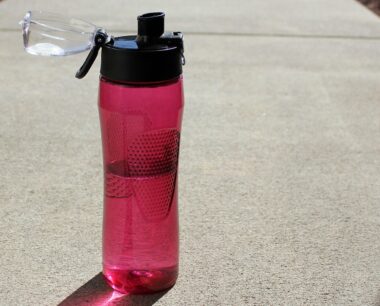
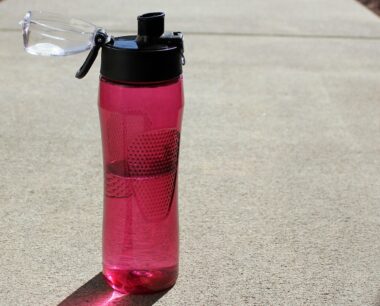
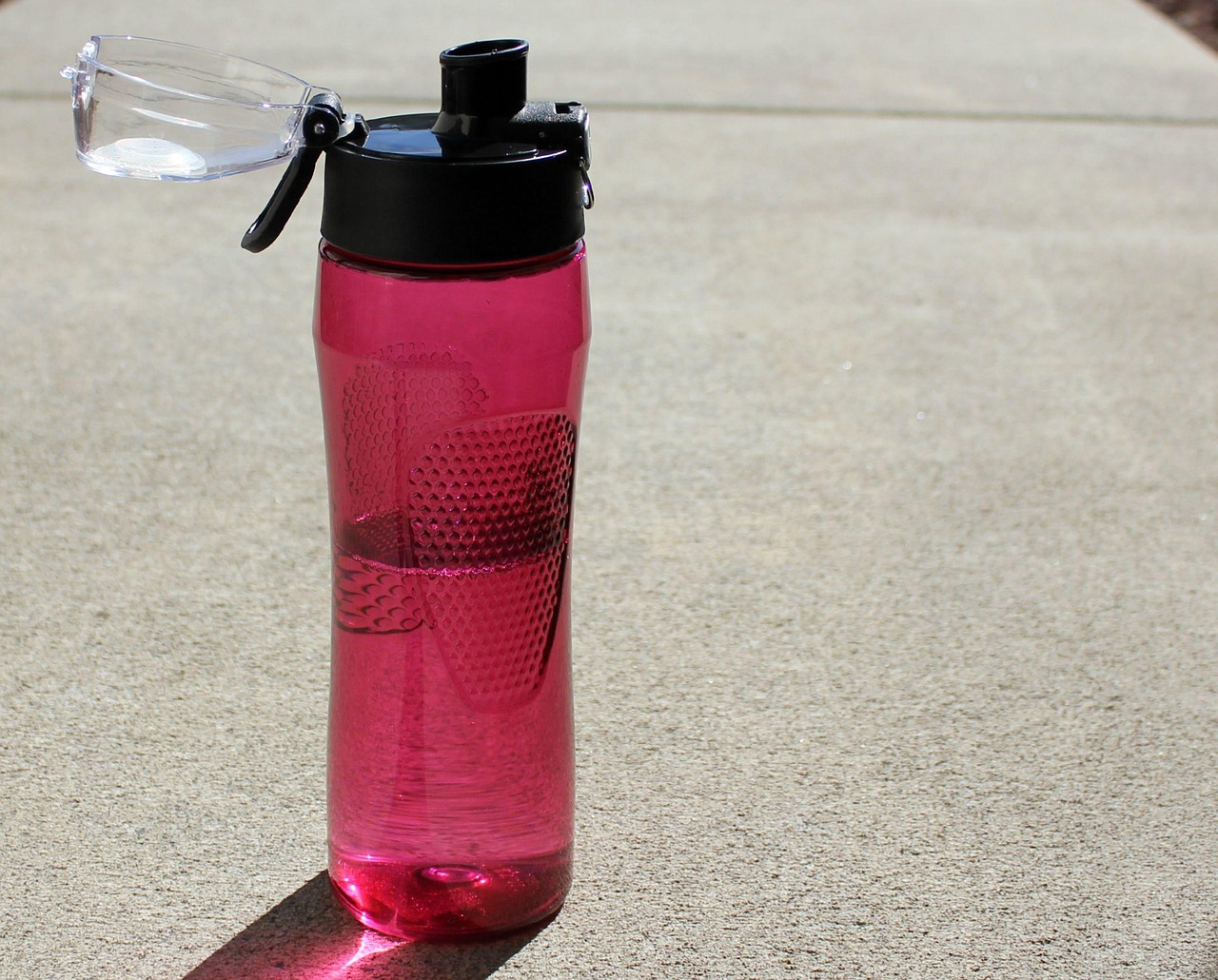
Incorporating various fluids and foods into your hydration strategy enhances muscle repair. Water is fundamental, but drinks containing carbohydrates and electrolytes can expedite recovery. Coconut water, for example, is an excellent natural electrolyte drink that replenishes minerals. Other fluids, such as commercial sports drinks, can be beneficial but check for added sugars that may not be ideal for all athletes. Consuming food items with high water content, such as fruits and vegetables, further contributes to hydration. Watermelon, cucumbers, and oranges are great examples. They add flavor and hydration while providing essential vitamins and minerals beneficial for recovery. Proper hydration is especially necessary during hotter months as dehydration risks increase significantly. Moreover, consider injuries that may arise from lack of proper practice. Strains and cramps can be linked to dehydration. Additionally, a well-hydrated body is less prone to infections and illnesses, which can negatively impact performance. Always prioritize hydration as part of your fitness regimen to support your goals effectively. Carry a water bottle during workouts, ensuring you’re prepared and motivated to stay hydrated. Making hydration a habit can yield significant long-term performance benefits.
Tips for Staying Hydrated Consistently
Staying consistently hydrated requires intention and planning. Here are several tips to help maintain hydration levels effectively. First, always carry a water bottle with you, making it easy to drink water throughout the day. Set reminders on your phone or use apps to track your intake. Drinking water with meals and snacks is another effective habit. Infusing water with fruits or herbs can enhance flavor without adding calories, making it more enjoyable. Second, monitor your thirst levels actively, especially during workouts. If feeling thirsty, aim to drink even before hitting that threshold. Remember, clear urine indicates proper hydration. Third, embrace routine by establishing a hydration schedule that aligns with your workout plan. Make it a priority post-exercise to refuel fluids lost. Lastly, consider your caffeine intake as it may contribute to dehydration. While moderate caffeine can be part of a healthy diet, excessive consumption could lead to fluid loss. Pay attention to your body’s reactions and adjust as necessary. By embracing these tips, hydration can become an effortless part of maintaining performance and supporting muscle recovery.
Understanding your hydration needs based on personal activity levels enhances performance. Each individual’s fluid requirements can vary due to factors such as weight, climate, and workout intensity. As a general guideline, the National Academies recommend around 3.7 liters for men and 2.7 liters for women daily. For athletes, this amount often increases dramatically. Therefore, encouraging a personalized approach to hydration can yield better results. Keep a hydration diary or log; this technique helps in recognizing patterns of water intake and deficiencies. Address any gaps in your routine swiftly to optimize performance. External factors should also be considered; for instance, altitude exposure may increase dehydration risk. Light activity can often compromise hydration, so remain attentive even on rest days. Lastly, acknowledge the psychological aspect as well. Sometimes, feeling fatigued is often mistaken for dehydration. Thus, check personal hydration levels first before deciding on fatigue management strategies; this can lead to improved performance efficiency. Adopting a personalized hydration regimen can create a more precise framework for muscle recovery and overall health. With continued dedication, each training session can be fueled effectively for success.
Conclusion
In conclusion, hydration plays a vital role in muscle repair and overall athletic performance. Understanding fluid requirements and effectively replenishing lost fluids is essential for recovery. Prioritize water intake, along with foods containing electrolytes, to support this process. Remember to personalize hydration strategies based on activity levels and environmental conditions, as these factors influence individual needs. Encouraging positive hydration habits can create significant performance improvements and mitigate fatigue. While there’s no one-size-fits-all approach, tracking hydration practices empowers individuals to make effective choices. Fostering awareness of the role hydration plays in recovery can make a significant difference in long-term performance. Besides, staying hydrated will not only improve muscle repair but also enhance concentration during training. Always strive for an optimal balance, adjusting the hydration regimen to suit personal requirements. With small, consistent changes, significant improvements can be achieved in recovery time and workout efficacy. Embrace hydration as a cornerstone of your fitness journey. Laying a solid foundation through hydration ensures that you support your goals, whether in the gym or competing in your chosen sport. A holistic approach will yield the best results, allowing you to reach new heights.
Remember, hydration strategies vary from person to person and may require fine-tuning as you progress in your fitness journey. Each aspect discussed is designed to empower your decisions regarding hydration. Whether you are a casual gym-goer or a dedicated athlete, these insights can be applied practically to enhance muscle repair. Monitor how your body responds to different hydration methods and adjust accordingly to develop a personalized recovery strategy. Listen to your body, as it often signals its hydration needs. Ultimately, the goal is to keep your muscles nourished while reducing recovery time and improving performance. With a dedicated approach to hydration, the benefits will compound over time, leading to increased strength and resilience in your workouts. Keep experimenting with various hydration sources, assess their impacts, and find the perfect balance tailored to your preferences. It’s not just about water; it’s about creating a hydration strategy that works best for you. Embrace the knowledge of hydration’s pivotal role and let it guide you on your fitness path. Commitment to proper hydration will ensure you maximize your muscle recovery and achieve lasting fitness results.