
Time-Efficient Calisthenics Routines for Busy Home Trainers
In today’s fast-paced world, maintaining fitness can be challenging, especially for those who are busy. However, calisthenics routines offer a time-efficient solution that can easily fit into any schedule. By leveraging body weight, these exercises can be performed anywhere, making them ideal for home training. The beauty of calisthenics is that they require minimal equipment—often just your own body and a sturdy surface. This approach not only saves time but also enhances your overall fitness without complicated gym setups. Combining strength, endurance, and flexibility training can yield significant results, even in short workouts. Busy trainers can maximize their results by focusing on high-intensity interval training (HIIT) styles of exercise. Incorporating exercises like push-ups, pull-ups, squats, and planks in a circuit can keep the heart rate up while building muscle strength. Furthermore, adjusting the intensity and duration of each session can make it adaptable to your individual needs and schedule. Whether aiming to lose weight, tone muscles, or enhance endurance, calisthenics workouts are an effective choice for anyone trying to maintain a healthy lifestyle at home. You’ll find that staying active has never been easier.
Full Body Calisthenics Circuit
A full-body calisthenics circuit is perfect for those looking to engage multiple muscle groups effectively in a succinct timeframe. By structuring your routine to incorporate various movements, your sessions can be diverse and rewarding. A suggested circuit may include exercises such as:
- Push-ups: Target your chest, shoulders, and triceps
- Bodyweight squats: Engage your quads, hamstrings, and glutes
- Burpees: A dynamic full-body movement that boosts cardiovascular endurance
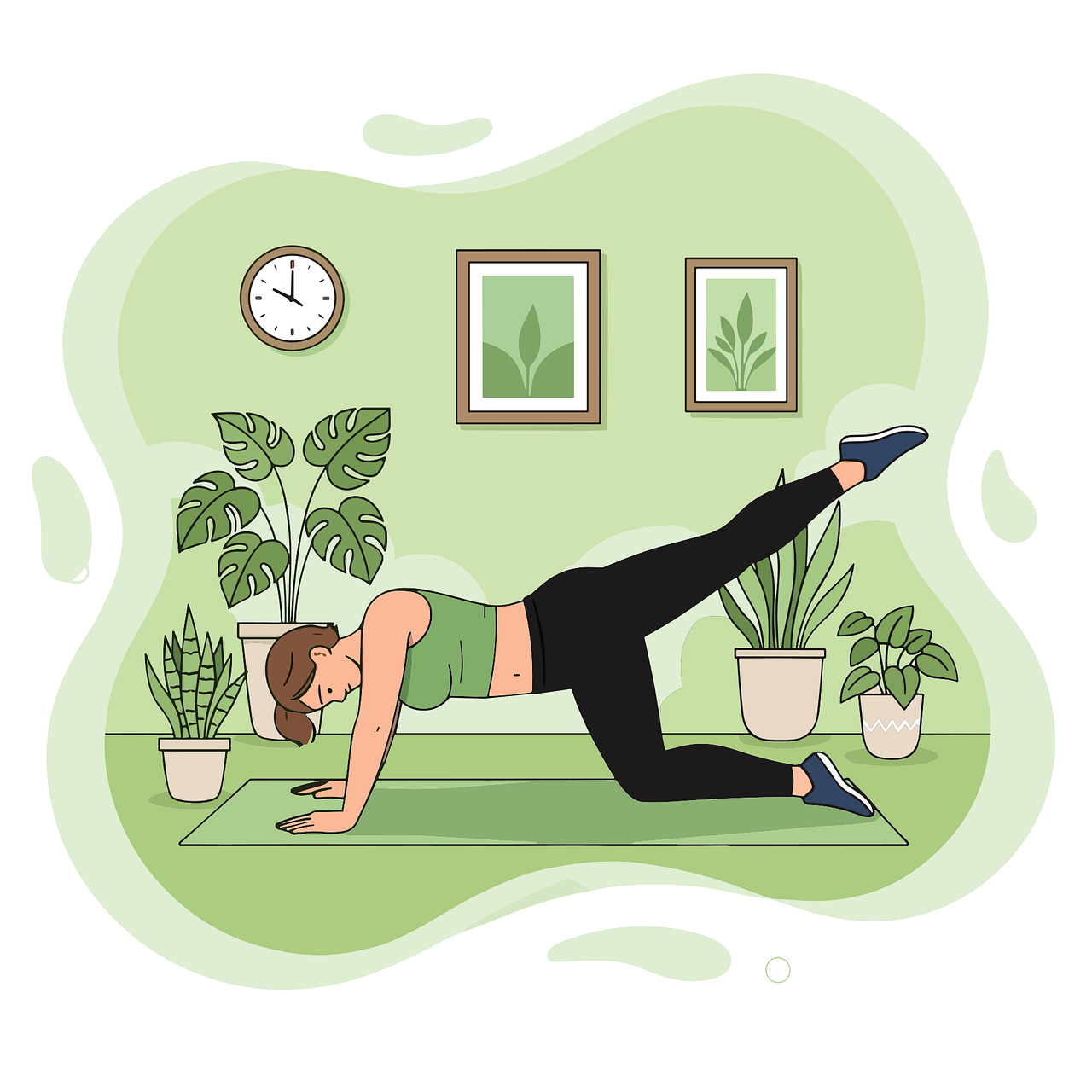
- Plank variations: Enhance core stability and strength
To perform the circuit efficiently, select a set number of repetitions for each exercise or follow a timed interval. Start with one minute of each exercise or complete sets of 10-15 repetitions, depending on your fitness level. Complete 3 rounds of the circuit, resting as needed between rounds. The versatility of calisthenics allows you to adjust to your comfort level. This type of workout also fosters body awareness, improving your form and preventing injuries during future physical endeavors.
Another effective method to maximize your calisthenics workout is implementing supersets. Supersets involve performing two exercises back-to-back without resting in between, which can efficiently ramp up your heart rate and build strength. Consider pairing exercises that target opposing muscle groups for an optimal workout. An example routine could include:
- Pull-ups: Strengthen your back and biceps
- Push-ups: Fortify your chest and triceps
Performing these two exercises in succession not only saves time but also increases the intensity of your workout. Aim for 3-4 super set rounds, focusing on form and control. Ensure that you allow yourself short recovery moments so that you can maintain quality performance throughout the workout. Supersets are especially helpful for those pressed for time, allowing you to complete a full workout quickly and effectively. This technique can easily be adapted according to individual fitness levels, making it an excellent tool for busy home trainers looking to maximize their exercise routine within limited time constraints.
Core-Focused Calisthenics
A core-focused calisthenics routine is vital for building strength and stability, which translates into enhanced performance in various physical activities. Core workouts can be efficiently integrated into your home training sessions, requiring only a few minutes to create an impact. Key exercises to consider include:
- Plank: A fundamental exercise that develops overall core strength
- Russian twists: Focus on oblique muscles, improving rotational strength
- Leg raises: Target the lower abdominal area effectively
- Mountain climbers: Boost cardiovascular fitness while engaging the core
To design your core workout, select a combination of these exercises and perform them in a circuit format or follow a tabata style (20 seconds on, 10 seconds off). Even short sessions can lead to improved core strength, contributing to better posture and reduced risk of injuries in daily activities. Ensure that you maintain proper form to avoid strain. As you grow stronger, gradually increase repetitions or duration to keep challenging your muscles. Consistency with these core workouts will help you achieve a stable and strong foundation, which is essential for any fitness journey.
Flexibility and mobility play pivotal roles in enhancing performance and reducing injury risk during calisthenics routines. Therefore, it is crucial to incorporate stretching exercises into your regimen, focusing on major muscle groups. Flexibility routines can be seamlessly integrated into warm-ups or cool-downs, taking only a few minutes of your workout time. A sampling of pertinent stretches includes:
- Cobra stretch: Opens up the chest and stretches the abdominal muscles
- Forward bend: Relieves tension in the hamstrings and lower back
- Shoulder stretch: Enhances shoulder mobility and flexibility
- Hip flexor stretch: Releases tightness in the hip area
Perform each stretch for at least 20-30 seconds, focusing on deep breathing to help relax your muscles. You can also incorporate dynamic stretches before starting your routine to prepare your body for movement. These simple yet effective practices not only improve your flexibility but also enhance your overall workout performance. Staying limber helps you move efficiently while engaging in calisthenics, thus allowing for greater strength development while maintaining your health.
Tracking Progress and Goals
Tracking progress and setting realistic goals is fundamental to staying motivated on your calisthenics journey. Budgets of time can easily cloud your focus. However, taking time to set achievable milestones can increase your chances of long-term success. Consider documenting your workouts in a training journal or using fitness apps to track your repetitions and the duration of your sessions. By keeping notes, you can easily observe improvements and remain consistent, adjusting goals accordingly. Your goals might be:
- Mastering a specific number of pull-ups
- Completing a certain number of burpees in one minute
- Increasing overall workout duration or intensity gradually
Setting these ambitious yet realistic targets can boost your workout motivation. Additionally, celebrating small victories can foster a sense of accomplishment, reaffirming the dedication needed to persist with your routines. With focus and commitment, you’ll gradually observe progress, helping you maintain enthusiasm even through more challenging periods. In conclusion, tracking your progress is vital for both accountability and motivation, essential for any busy home trainer engaged in calisthenics.
Finally, embracing a recovery routine is essential for optimal performance in your calisthenics journey. Busy schedules often lead to the neglect of recovery practices, which can hinder your training progress and lead to injuries. Prioritize restorative exercises such as light stretching and foam rolling. Proper recovery can significantly enhance muscle repair and reduce soreness. Consider dedicating a day each week for active recovery. Activities like walking, yoga, or light cardio can improve blood flow to your muscles, promoting healing. Furthermore, listening to your body is critical; if you feel fatigued or sore, allow yourself extra time to recover. Allocate time for adequate sleep to enhance muscle recovery and overall well-being. Proper hydration and nutrition are also crucial; they help fuel your workouts while preparing your body for the next session. Consistently integrating recovery routines can improve strength and endurance, making your workouts more effective. Your body works hard during calisthenics, and showing it care is paramount. Invest in your recovery efforts to see marked improvements in your overall fitness journey, ensuring that you can achieve your goals consistently.
Final Thoughts on Calisthenics
As busy home trainers look to integrate calisthenics into their routines, understanding these time-efficient strategies can significantly enhance their fitness journey. These techniques not only help in building strength and endurance but also promote overall health and well-being. The key lies in consistency; short and focused workouts may be more effective than longer, sporadic sessions. By regularly committing to calisthenics routines, you develop crucial habits that will benefit you in the long run. Remember, it’s about finding what fits best into your lifestyle while maintaining progression. Utilize flexibility and adaptability in your training sessions to keep things fresh and enjoyable. Make use of technology; many applications provide routine ideas, workout tracking, and even guided sessions. This support can be beneficial when juggling a busy schedule. Engage with communities, either online or in person, to find motivation and accountability. Overall, embrace the challenge that calisthenics bring and remain dedicated to your fitness goals. As you progress, reflect on the changes in your body and mindset. Here’s to your ongoing journey in calisthenics, where every workout brings an opportunity for growth.