
Tracing the History of Rowing in Belgium: Clubs, Competitions, and Culture
Rowing in Belgium has a rich history that intertwines with the nation’s cultural identity and commitment to sporting excellence. The sport’s origins in Belgium are difficult to pinpoint, but it gained momentum in the 19th century as leisure boating began to flourish among the upper classes. The founding of various rowing clubs, such as the Royal Club Nautique de Bruxelles in 1860, marked the formal beginnings of competitive rowing in the country. These clubs not only provided facilities for training but also fostered a sense of community among rowers. Over time, rowing evolved into a competitive sport with structured events and championships, reflecting Belgium’s dedication to athletics. The establishment of the Belgian Rowing Federation in 1882 further solidified the organizational framework for the sport. Today, rowing continues to attract enthusiasts from various backgrounds, and many clubs promote inclusivity and diversity, ensuring that people of all ages can enjoy the sport. The combination of a vibrant club culture and robust competition schedule contributes significantly to the growth and popularity of rowing across Belgium, positioning it as a vital aspect of the country’s sporting heritage.
Development of Rowing Clubs in Belgium
The development of rowing clubs in Belgium has played an essential role in fostering talent and promoting the sport across the nation. By the late 19th and early 20th centuries, several clubs had emerged, each contributing to Belgium’s rowing landscape. Notably, the Royal Antwerp Rowing Club, founded in 1872, quickly became one of the premier institutions and attracted many talented athletes. Clubs such as these focus on nurturing beginner rowers and competing in regional and national events, helping to elevate Belgium’s presence in international competitions. Membership in these clubs often includes rigorous training programs and community engagements, which help retain athletes and grow participation rates. Moreover, clubs actively collaborate with schools and universities to introduce rowing to younger audiences. Some clubs even sponsor events to encourage public involvement, showcasing the excitement and camaraderie inherent in rowing. This outreach extends to inviting diverse groups, including women and the differently-abled, to share in the sport. As clubs continue to flourish, they acknowledge the importance of a welcoming environment that fosters not only competition, but also emotional connections among all participants. Thus, the thriving club culture reflects the broader commitment to sportsmanship and community in Belgian society.
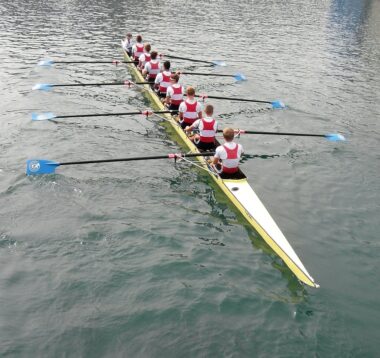
Competition is an integral aspect of rowing in Belgium, with numerous events held throughout the year. These competitions provide an essential platform for athletes to showcase their skills and for clubs to demonstrate their prowess. Major regattas, held on prestigious rivers like the Meuse and the Sambre, attract both national and international participants. The Championships of Belgium stand out as one of the highlights of the competitive calendar, drawing top-tier athletes aiming for glory. These competitive events typically feature an array of boat classes, ranging from single sculls to eights, allowing for varied competition and demonstrating the versatility of rowers. Moreover, these regattas often become vibrant social gatherings, showcasing the spirit of camaraderie and healthy competition within the rowing community. Crowds come together to support their teams and celebrate the achievements of athletes. Besides these traditional competitions, Belgium has also embraced newer formats, including urban rowing events that draw interest from younger demographics. As a result, the landscape of rowing competitions in Belgium continues to evolve, making the sport accessible and exciting for all. This ongoing change illustrates the adaptability and resilience of rowing culture in Belgium, ensuring its relevance in a dynamic sporting environment.
The Cultural Impact of Rowing in Belgium
Rowing in Belgium transcends mere sport; it encompasses a vibrant culture with deep social significance. The evolution of rowing reflects the national values of teamwork, perseverance, and passion. Clubs often hold events and outreach programs that emphasize the importance of community cooperation, which fosters strong connections among participants. These events frequently include family gatherings, picnics, and friendly races, promoting a sense of belonging among members. Rowing clubs frequently engage local schools, thereby inspiring younger generations to embrace aquatic sports as a healthy lifestyle choice. Furthermore, media coverage of rowing events, particularly during international competitions, elevates the sport’s status and showcases Belgian athleticism on a global scale. This visibility encourages youth participation, as they seek role models within their communities. The camaraderie built through shared experiences at clubs also contributes to forming lifelong friendships. Additionally, artistic expressions such as photography and literature inspired by rowing add depth to its cultural significance. The ongoing integration of rowing into Belgium’s national identity highlights how the sport connects individuals beyond clubs, creating a unique cultural tapestry that emphasizes collaboration and a rich history.
Belgium’s success in international rowing has significantly boosted the sport’s popularity, inspiring both athletes and enthusiasts alike. Belgian rowers have made their mark on the global stage, competing at prestigious events like the Olympics and World Championships. Successful athletes such as André Harteman and the Vos family have created legacies that showcase the talent emerging from Belgium’s boating clubs. Public fascination with these accomplished rowers drives interest in the sport, prompting aspiring athletes to join local clubs and develop their skills. Furthermore, medal-winning performances trigger media coverage and public celebrations, contributing to a positive feedback loop that encourages participation. The landscape of rowing in Belgium has also expanded to include adaptive rowing events, ensuring inclusivity and access to diverse athletes. As awareness of the benefits of rowing as a lifelong sport continues to grow, additional support emerges from local governments and institutions. This investment in rowing infrastructure reinforces ambitions for training, competitions, and community engagement. In turn, these enhancements promote Belgian rowing as a central pillar of the country’s sports identity, inspiring countless individuals to pursue their passion for rowing.
The Future of Rowing in Belgium
Looking forward, the future of rowing in Belgium appears vibrant and full of possibilities. Efforts to sustain and nurture the sport are seen across various clubs, as they adapt to changing interests and demographics. With more young people expressing interest in aquatic sports, rowing is poised to flourish in schools and universities. Clubs are actively expanding their outreach through social media and local events to attract new participants, ensuring the sport’s continued growth. The integration of new technologies into training and competition also presents exciting opportunities for optimization and performance analysis. Furthermore, collaborations between clubs and schools could lead to innovative programs aiming to engage diverse populations, including promoting women’s rowing. Initiatives like summer camps can introduce children to rowing, nurturing their skills from an early age while fostering a love for the sport. Environmental sustainability is also becoming an important focus, as clubs and federations seek to protect waterways and promote eco-friendly practices. As rowing continues to evolve in Belgium, the support of enthusiastic clubs, dedicated athletes, and engaged communities will ensure its legacy endures for future generations, enriching the nation’s sporting culture.
Ultimately, the rich tapestry of rowing history in Belgium highlights the sport’s significance within local communities and national pride. Through the establishment of clubs, competitive spirit, and a robust cultural impact, rowing has become a cherished aspect of Belgian heritage. Events organized by clubs not only celebrate athletic achievements but also emphasize the values of teamwork and resilience. This culture of support fosters lifelong friendships that extend beyond the water. Furthermore, the contributions of notable athletes have helped raise the profile of Belgian rowing internationally. Intensive training programs and community organizations ensure that the sport remains accessible and inclusive for everyone. With an increasing focus on sustainability and community engagement, the future of rowing holds exciting promise. As new generations emerge, they will inherit a legacy built on passion, tradition, and camaraderie. Every stroke taken on Belgium’s waters reflects the enduring spirit that defines the sport. It is essential to ensure that rowing continues to thrive as a vital expression of collective identity and community strength. As the sport moves forward, the commitment of athletes, clubs, and fans will play a crucial role in shaping the future of rowing in Belgium.