
Yoga and Pilates for Safe Prenatal Weight Management
Managing weight gain during pregnancy is crucial for both mother and baby. Yoga and Pilates provide an excellent foundation for prenatal fitness. These practices emphasize body awareness, help maintain strength, and improve flexibility. They also promote relaxation and mental well-being, which is particularly important during pregnancy. Engaging in regular exercise helps control excessive weight gain, reduces the risk of gestational diabetes, and alleviates symptoms like back pain. Even low-impact exercises can significantly benefit a pregnant woman’s overall fitness. Furthermore, the connection between mind and body fostered through such practices can enhance the pregnancy experience, leading to a better body image and emotional health. Gentle movements paired with focused breathing techniques make these forms of exercise safe during this transformative time. It’s important for expectant mothers to consult with healthcare providers before starting any new exercise regimen. Staying active within appropriate limits can lead to healthier pregnancies, enabling women to maintain their fitness levels without overexerting themselves. In the subsequent sections, we shall explore specific poses and routines in Yoga and Pilates designed to support mothers in their journey toward a healthy pregnancy.
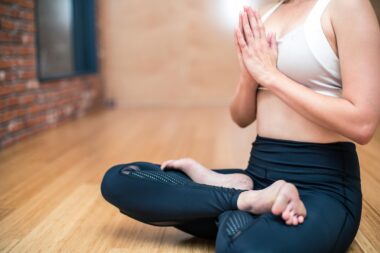
The benefits of Yoga during pregnancy extend beyond physical fitness. Yoga encourages mental clarity and emotional stability, which are important during the many changes pregnancy brings. Both the body and mind undergo significant transformations, and practicing Yoga helps women adapt to these shifts gracefully. A variety of poses can enhance circulation, strengthen core muscles, and improve posture, which often suffers as a woman’s body adjusts. As the abdomen expands, the postural adjustments protect the lower back from strain. Furthermore, prenatal Yoga can ease anxiety and stress through relaxation techniques. Breathing exercises teach mothers how to manage discomfort during labor, building confidence for the birthing process. Regular attendance in classes can also form community bonds among expecting mothers, providing valuable emotional support. It’s essential to participate in classes designed specifically for prenatal needs to ensure safety and effectiveness. Gentle modifications help preserve comfort, especially in later trimesters. Focusing on strength and stability can help prepare for labor. Classes may vary in intensity, so it’s important to find one that matches individual energy levels, starting gently and gradually increasing as comfort allows, ultimately leading to a healthier and happier pregnancy experience.
Why Pilates is Beneficial for Pregnant Women
Pilates is a fantastic complement to Yoga in addressing the needs of pregnant women. It focuses on strengthening the core, which plays an essential role in supporting a growing belly. A strong core can help alleviate back pain, improve balance, and enhance overall stability. Additionally, practicing Pilates encourages proper alignment and body mechanics, nurturing awareness of posture and movement. This is particularly relevant as a pregnant belly changes the center of gravity and can lead to potential instability. As the pregnancy progresses, mother’s bodies can experience fatigue and swelling, making it crucial to engage in gentle yet effective exercise. Pilates classes specifically designed for prenatal students will utilize modified movements, avoiding positions that may strain the body. The breathwork inherent in Pilates also contributes to relaxation, providing relief during labor. Strengthening the pelvic floor is another significant benefit, as it aids in preparation for delivery and assists in recovery post-baby. By focusing on controlled movements, women can learn to engage muscles safely while appreciating their changing bodies, leading to a more empowered approach to pregnancy and motherhood.
Nutrition plays an integral role alongside fitness for managing weight gain during pregnancy. While Yoga and Pilates offer fantastic physical and mental support, a balanced diet is key in ensuring both mother and baby receive adequate nourishment. Eating a variety of whole foods, such as fruits, vegetables, whole grains, and lean proteins, supports overall health during pregnancy. Staying hydrated is equally important, as it can help reduce fatigue and support essential bodily functions. Incorporating healthy fats from sources such as avocados and nuts can provide vital nutrients required for fetal development. Expectant mothers should maintain regular meals to stabilize energy levels while avoiding excessive weight gain. It’s also worthwhile to consult a nutritionist or a healthcare provider for personalized dietary advice. They can help tailor a meal plan that takes into account preferences and nutritional needs while encouraging healthy habits throughout the pregnancy. A holistic approach combining fitness with proper nutrition can empower mothers to embrace this incredible journey of creating life. This supportive attitude can foster a positive experience and lay a foundation for sustained health and wellness.
Creating a Balanced Routine with Yoga and Pilates
To achieve safe weight management during pregnancy, incorporating a balanced exercise routine is essential. Combining Yoga and Pilates offers a comprehensive workout plan that targets strength, flexibility, and relaxation. A typical weekly schedule might include classes focusing on low-impact movements that engage multiple muscle groups gently. Start with two to three sessions each week of prenatal Yoga, promoting core awareness and focusing on controlled breath techniques to encourage relaxation. In addition, incorporating Pilates workouts enhances core strength and stability, complementing Yoga’s benefits. Each movement should be adapted according to the trimester to ensure safety and comfort. Listening to one’s body is paramount during this time; it’s essential to rest whenever necessary and to take breaks during workouts should fatigue set in. Consistency is essential; however, adapting routines in alignment with everyday energy levels will greatly enhance motivation and results. Remember to include relaxation techniques after workouts, allowing mothers to reflect on their bodies’ progress, promote mental calmness, and bond with their babies. This mindful approach can lead to a fulfilling fitness journey and a more enjoyable pregnancy experience overall.
It is essential to remain informed when practicing Yoga and Pilates during pregnancy. Understanding which poses to avoid is crucial for ensuring safety. Certain postures that require lying flat on the back or deep twists should be modified or omitted, especially during later trimesters. As the body changes, maintaining open communication with instructors about limitations and concerns helps personalize the experience. It is also advisable to seek guidance from well-trained prenatal fitness professionals who understand the physiological changes women experience during pregnancy. Furthermore, joining classes specifically tailored for pregnant women will provide an environment that nurtures mutual support among participants. Making informed choices strengthens the bond between mothers and their babies. An effective practice not only enhances physical well-being but also promotes emotional resilience, which can be vital during challenging moments of pregnancy. The community found in such classes might cultivate sympathy and understanding remembering that every woman’s experience is unique. Celebrating each stage of pregnancy will create moments of joy in the journey while preparing mothers for the changes ahead. Accessing reliable resources, including online content or books, can provide supplemental knowledge, enhancing the fitness journey further.
Conclusion: Embracing Fitness for a Healthy Pregnancy
In conclusion, Yoga and Pilates offer invaluable tools for managing weight gain during pregnancy safely. Each practice contributes unique benefits, promoting physical strength, flexibility, and emotional well-being. Not only do they prepare the body for labor, but they empower mothers-to-be to embrace this transformative experience. By focusing on safety, and including a well-rounded routine, women can stay active and healthy, ultimately supporting themselves and their growing babies. This balanced approach brings forth an incredible bond between mothers and children, establishing a positive atmosphere throughout the pregnancy journey. The tranquil and restorative elements of Yoga combined with the core-strengthening aspects of Pilates create an overall sense of fulfillment. Remember, self-care is pivotal; connecting with fellow mothers, seeking guidance, and maintaining an open mind toward body changes will set the stage for a harmonious experience during pregnancy. Whether you’re a seasoned practitioner or new to exercise, nurturing your body and mind during this stage remains essential. Staying informed and dedicated will lead to the rewarding adventure of motherhood, embracing each moment with gratitude as one prepares for the new addition to their family.
This final section serves to reflect on the importance of a supportive environment in maintaining prenatal fitness. Engaging with communities and interacting with well-informed professionals enhance the overall experience. Finding a fitness class in one’s locality that emphasizes prenatal consideration ensures safety and comfort during workouts. Additionally, many healthcare providers offer prenatal classes or physical activities tailored to expecting mothers, making it easier to meet like-minded individuals. Coordination between personal fitness plans and guidance from medical professionals significantly impacts the path toward safer weight management. Engaging with social circles also opens avenues for sharing experiences, highlighting successes, and discussing challenges related to exercise during pregnancy. This camaraderie fosters an encouraging atmosphere, where mothers feel supported on their journey. Being active engages mothers in shared endeavors while reminding them that they are not alone during this time. With the collective knowledge of fellow attendees and the insights of skilled instructors, a sense of unity emerges, promoting motivation. Ultimately, establishing routines that involve community participation adds joy and fulfillment to the fitness process, creating memorable experiences while preparing mothers for their evolving roles.