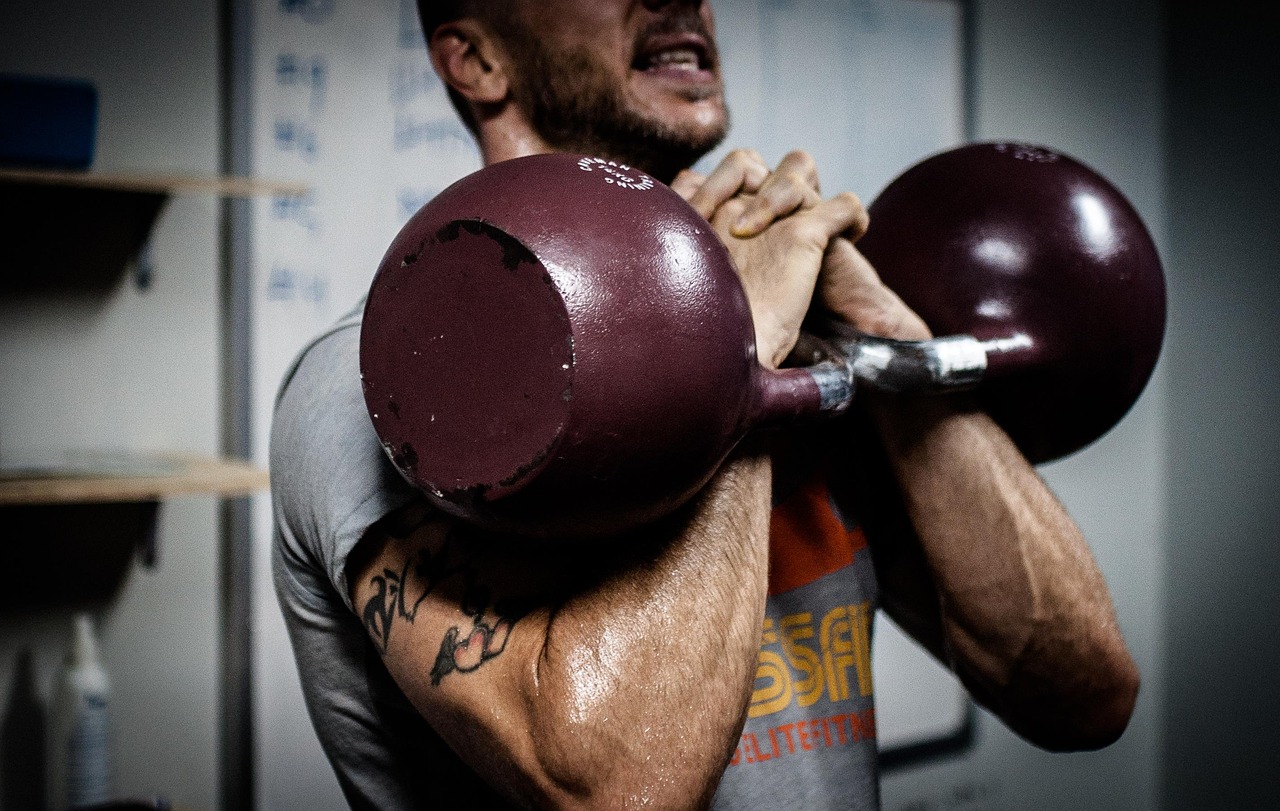

Advanced Kettlebell Techniques for Experienced Fat Burners
Kettlebell training is not just for beginners; seasoned fitness enthusiasts can benefit from advanced techniques that enhance weight loss. By primarily targeting specific muscle groups, kettlebell movements, such as the snatch, swing, and Turkish get-up, can significantly aid in burning fat. These dynamic exercises engage the entire body, promoting functional strength while accelerating metabolism. Additionally, incorporating circuit style training can create an effective calorie-burning workout. By minimizing rest intervals between exercises, kettlebell circuits can elevate heart rates, sustaining a high calorie burn throughout and after the session. Moreover, it’s essential to maintain proper form and technique to prevent injury and maximize efficiency, a common pitfall in advanced training. Advanced kettlebell techniques also promote core engagement, which not only improves balance but also facilitates better energy transfer during workouts. As you advance, focusing on explosive movements will enhance athletic performance overall. However, ensure you balance your kettlebell workouts with a well-rounded fitness regimen that includes cardiovascular and flexibility training as well. This holistic approach will optimize fat loss results and improve overall health.
The Art of Kettlebell Swings
The kettlebell swing is a fantastic exercise that engages multiple muscle groups and promotes fat loss. Proper technique is crucial; begin with feet shoulder-width apart. Bend your knees slightly and hinge at the hips to grab the kettlebell. As you drive through your hips, swing the kettlebell backward and forward. Key points to remember include maintaining a flat back, engaging your core, and focusing on explosive hip thrusts. For increased intensity, try variations like single-arm swings or alternating swings, which challenge grip strength and stability. These variations not only boost calorie expenditure during your workouts but also add variety, preventing plateaus in your progress. Moreover, the kettlebell swing can be integrated into circuit training routines effectively. Combine it with other movements, like goblet squats or push-ups, for an intense fat-burning session. Consistent practice of kettlebell swings helps improve overall cardiovascular fitness while toning specific muscle groups. Remember to prioritize recovery and hydration, as vigorous workouts can demand significantly from your body. Adjusting the kettlebell weight according to your strength level will also prevent injuries and encourage steady progress.
Progressions in kettlebell training allow for continuous development and improvement in both skill and endurance. One effective method involves increasing the weight of the kettlebell as you become stronger. Start with a manageable weight and gradually increase as you master the basics. This progressive overload principle is vital for strength gains and fat loss. Another useful method includes timed intervals, such as 30 seconds of work followed by 15 seconds of rest. Completing short, intense bursts maximizes calorie burn and maintains high heart rates throughout your training sessions. Additionally, engaging in complex kettlebell movements enhances coordination and balance. Try combining techniques like the clean and press or complex sequences involving swings, snatches, and squats. Incorporating high-intensity interval training (HIIT) with kettlebells can further challenge your mettle, pushing you beyond your limits and ensuring continuous adaptation. Furthermore, consider integrating conditioning drills that focus on endurance to elevate overall performance. Notably, consistency in your training regimen is key; aim for three to four sessions weekly. As always, prioritize your nutrition to fuel your workouts and optimize fat loss results, such as incorporating lean proteins and vegetables into your meals.
Aspects of Core Strength with Kettlebells
Core strength is paramount in kettlebell training; a robust core enhances your performance in various exercises. When performing kettlebell movements, engage your core throughout each repetition. Whether doing swings, cleans, or Turkish get-ups, the core stabilizes your body and allows for more efficient transfer of energy. Consider adding exercises that specifically target the core; variations like the plank rows, kettlebell windmills, or Russian twists will support core strength. You must establish a baseline fitness level to execute these moves safely and effectively. Dynamic movements ensure your core is engaged, helping prevent injuries and enhancing your strength in other exercises. Subsequently, improved core strength results in better posture, balance, and stability, critical for athletes and fitness enthusiasts. Be cautious when attempting advanced maneuvers; always prioritize form to avoid strain. Furthermore, regularly challenge your core stability by varying your stance or increasing kettlebell weight. This not only fosters advancement in your workouts but can also enhance everyday functional movement. The ability to engage your core translates well into daily activities, making kettlebell training an all-encompassing fitness choice for weight loss.
Another appealing aspect of kettlebell training lies in the variety of workout styles that can be employed. For example, kettlebell AMRAP (As Many Rounds As Possible) workouts encourage rapid fat loss through high-intensity efforts. This style prompts you to complete as many rounds of a prescribed circuit in a set time frame, typically 10 to 20 minutes. Incorporating exercises like kettlebell swings, snatches, and squats can rapidly elevate your heart rate. Moreover, resistance bands can complement kettlebell exercises, enhancing functional movements. Pairing bands with kettlebell training adds an extra element of resistance, challenging your muscles in new ways. Additionally, creating Tabata-style workouts with kettlebells can effectively expedite fat burning; alternately perform kettlebell exercises for 20 seconds followed by 10 seconds of rest for four minutes. This intense method keeps your body engaged and maximizes metabolic activity. Choose a variety of exercises to avoid monotony; this engagement will help maintain motivation and accountability as you work towards your goals. Incorporating various styles and formats keeps your workouts fresh while promoting continuous improvement and effective weight loss results.
Importance of Recovery and Nutrition
Recovery is as vital as the workouts themselves in any training regimen, including kettlebell training. Allowing your muscles to recuperate is crucial for building strength and preventing injury. Schedule rest days and active recovery sessions, incorporating light movements such as yoga or walking. Active recovery maintains blood flow, aiding in recovery without overexerting your muscles. Additionally, nutrition plays a significant role in your success; your diet should complement your training goals. Focus on a balanced intake of macronutrients, ensuring sufficient protein for muscle repair, carbs for energy, and healthy fats for overall health. Meal prepping can help streamline your efforts and ensure you’re not making impulsive food choices. Staying hydrated is equally essential during the kettlebell training journey. Water intake supports performance and recovery, ensuring you replenish lost fluids and electrolytes. Monitor your body’s signals; adequate sleep is crucial for optimal recovery as it encourages muscle repair and mental clarity. Lastly, tracking your progress allows you to adjust your strategy as needed, whether modifying workouts or tweaking nutrition. Commit to this holistic approach for the best results.
Lastly, perhaps one of the biggest obstacles facing those in kettlebell training is avoiding plateaus. Progress may sometimes stall, requiring new strategies to take your workouts to another level. One effective way to overcome this is by varying your kettlebell workouts, incorporating different movements or increasing weights. Additionally, monitor your heart rate during training; this data can help tailor workouts to ensure maximum intensity. Integrating new challenges, such as complex skills or new drills, can stimulate muscle adaptations and ignite new enthusiasm. Consider joining kettlebell training classes or connecting with a training partner to spark motivation and encouragement. Sharing the journey helps with accountability and creates a supportive environment. Furthermore, consider periodizing your training, alternating between phases of strength, power, and endurance, which keeps your workouts fresh and maintains intensity. Evaluate your nutrition periodically as well. Adjusting caloric intake or meal composition can also eliminate performance ruts. Staying committed to your goals and always seeking improvement regardless of setbacks will lead to long-term success in kettlebell training for weight loss.