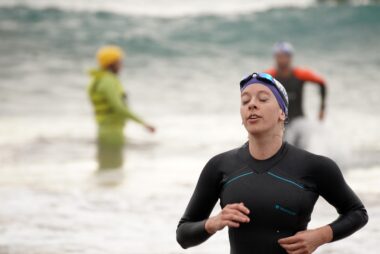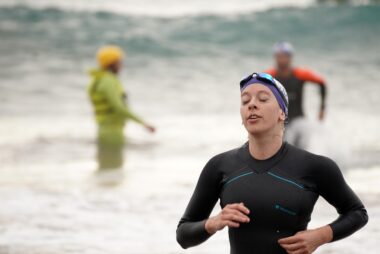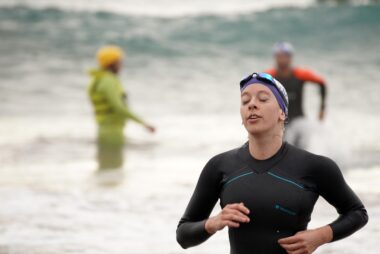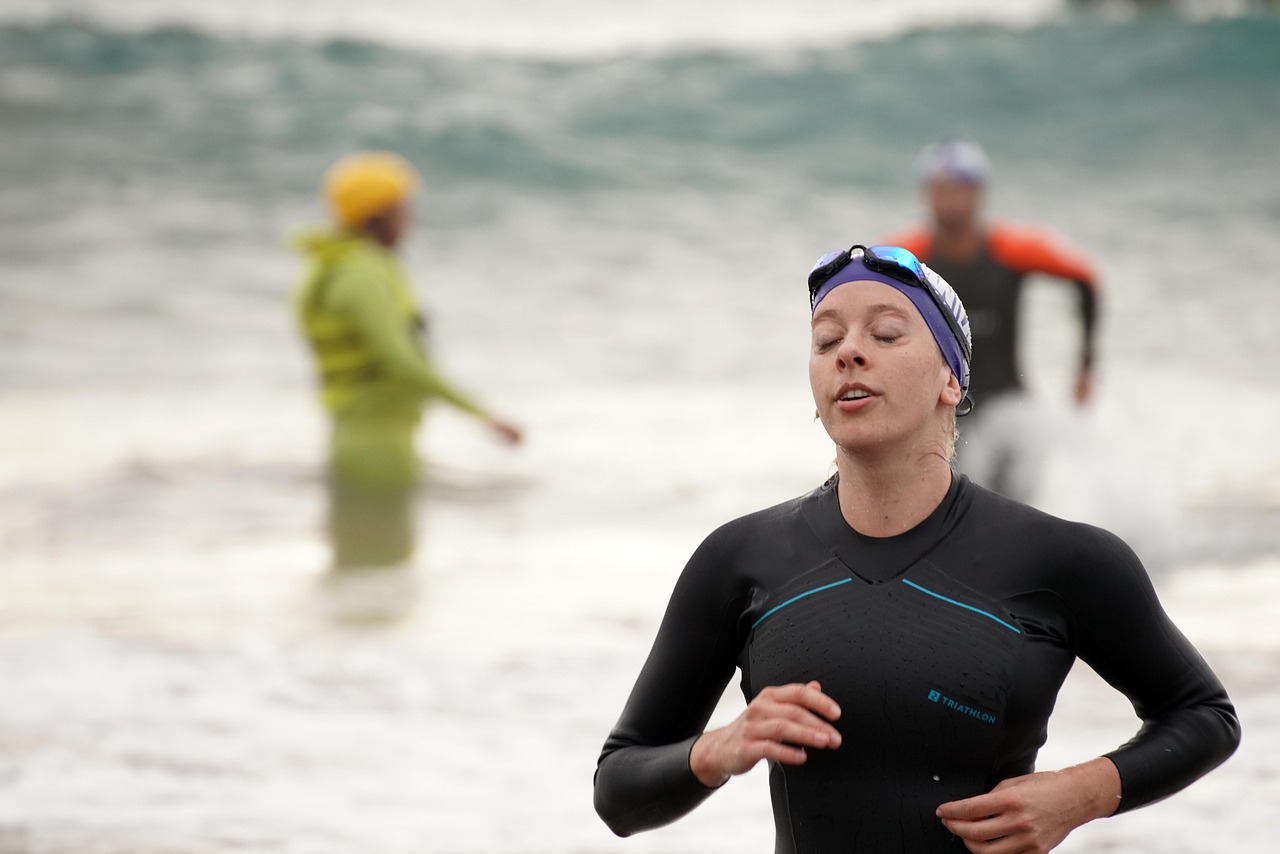

Building Confidence Through Consistent Training
For beginners in triathlon training, understanding the value of consistent training is key. Triathlons require a blend of swimming, cycling, and running skills, which demand focused and regular practice. Developing a training plan that fits your personal schedule can make a considerable difference in how confident you feel. Here are some strategies to ensure you remain motivated: Create a weekly plan, setting aside specific days for each discipline, and stick to it diligently. Keep track of your progress in a journal, noting improvements and feelings after each session. This record will boost your morale and highlight areas needing special attention. Additionally, seek inspiration from fellow beginners, either in online forums or local training groups. Engaging with those on similar journeys provides mutual support. Incorporating varied workouts can also spice things up; don’t be afraid to try new routes for cycling or different pools for swimming. Emphasize quality over quantity, ensuring you maintain good form rather than just logging miles. By prioritizing consistency and smart training, you can build the confidence necessary to take on more challenges in your triathlon journey.
Setting Realistic Goals for Success
When embarking on your triathlon training journey, one key aspect to focus on is setting realistic goals. These goals should align with your current fitness level and the specific races you’re aiming to compete in. Start by establishing short-term goals, such as completing a specific distance in your next workout or improving your swim technique. For example, you might want to swim a set distance without stopping or improve your average cycling speed. Celebrate these small victories; they will build confidence over time. It is also beneficial to establish long-term goals, like completing your first triathlon. Ensure these goals are SMART: Specific, Measurable, Achievable, Relevant, and Time-bound. By breaking your training down into achievable segments, you minimize the risk of burnout while maximizing progress. Regularly reassess these goals and adjust them based on your achievements and any challenges you encounter. This adaptive approach keeps you engaged and focused. When you reach a milestone, reward yourself, reinforcing the positive behaviors and commitment. Setting and meeting realistic goals builds self-assurance, making you more prepared for the rigors of triathlon racing.
One effective tactic for beginners is to incorporate cross-training into your routine. Cross-training involves engaging in different sports or exercise activities that complement your primary training. This diversity helps enhance overall fitness and reduce the risk of injury due to repetitive strain. For triathletes, activities like yoga, strength training, or even team sports provide unique benefits that can translate to improved performance. Yoga, for instance, increases flexibility and core strength, essential for the swimming segment of the triathlon. Additionally, strength training builds muscle endurance and overall strength, enhancing cycling and running efficiency. Consider joining local clubs or fitness classes that offer varied workouts. Here are some examples: consider including swimming drills in pool sessions and interval bike rides during weekend outings. Moreover, cross-training aids in recovering from rigorous sessions while maintaining fitness levels. This varied approach also keeps your training enjoyable and engaging. So, take advantage of the time you have and explore these avenues. Staying committed to a diverse routine leads to more robust training outcomes, preparing you mentally and physically for the rigors of a triathlon.
Nutrition plays an essential role in a triathlete’s training plan, especially for beginners. A well-rounded diet fuels workouts and aids recovery, ultimately boosting performance. Understanding how different foods impact your energy levels can help you make informed choices. Focus on consuming a balanced diet rich in carbohydrates, protein, and healthy fats. Consider the importance of hydration; staying well-hydrated is crucial for endurance activities. During training, experiment with different snacks and meals to determine what works best for your body. Foods like bananas provide a quick energy boost, while complex carbohydrates, such as whole grains, supply lasting fuel. Don’t neglect the role of protein in repairing and building muscles; add lean meats or plant-based proteins post-workout to aid recovery. It’s equally vital to practice your nutrition strategies during training, simulating race conditions to find what keeps your energy steady. This helps to prevent any gastrointestinal distress on race day. A well-planned diet supports your training goals and increases your confidence in performing well during competitive events of your triathlon journey.
Embracing the Mental Side of Training
Equally important as physical training is the mental aspect of triathlon preparation, which often gets overlooked. Developing a positive mindset can significantly affect your performance and overall enjoyment of training. Consider practices like visualization, where you mentally imagine yourself succeeding during competitions. This mental rehearsal prepares your brain for the circumstances of racing, creating a sense of familiarity that can reduce anxiety. Another excellent strategy is to practice mindfulness, focusing on the present during your training sessions. Try techniques such as deep breathing or concentration on your form and rhythm while swimming, cycling, or running. Surrounding yourself with positive influences is crucial too; engage with encouraging friends or triathlon communities that uplift you. If setbacks occur, reiterate your commitment to the process, as every athlete faces challenges. Transform negative thoughts into positive affirmations about your capabilities. Write down motivational phrases and keep them nearby for when doubts creep in. By embracing these mental tactics, you cultivate resilience and peace of mind, essential components for flourishing in your triathlon journey.
Injuries can derail your training, making it important to listen to your body and take proactive measures to minimize risks. As a beginner in triathlon training, ensuring proper form and not overexerting yourself during workouts can help protect you from injury. Make sure to warm up and cool down adequately before and after every session; these practices prepare your muscles and help with recovery. Incorporate stretching and mobility exercises into your routine, focusing on areas that face strain from swimming, cycling, and running. Having the right gear is another aspect; invest in quality shoes that fit well to support your running and cycling needs. If an injury does occur, don’t shy away from seeking professional advice or adjustment of your training plan. Listening to your body’s signals about fatigue or discomfort sets a foundation for long-term success. Rest and recovery are just as important as the training itself; ensure you allow for sufficient rest days to aid muscle rebuilding. By prioritizing safety and recovery, you lay the groundwork for a consistent and progressive training regimen, preventing interruptions from injuries.
In conclusion, building confidence in triathlon training for beginners hinges on consistent effort, goal-setting, nutrition, mental fortitude, and injury management. Remember, the journey is as essential as the destination; each small step contributes to your overall growth. By approaching each training session with enthusiasm and commitment, you embrace the learning curve inherent in triathlons. Celebrate progress, learn from setbacks, and continuously adjust your approach to ensure you stay engaged. Seeking guidance from experienced triathletes through coaching or community involvement can provide valuable insights, further enriching your experiences. Connecting with others who share your goals can foster accountability, camaraderie, and shared wisdom. This alone can make the entire journey more enjoyable. Always remind yourself that every athlete started somewhere, and persistence will lead to improvement and confidence in your abilities. By embracing the challenge of triathlon training, you equip yourself with resilience, pushing beyond boundaries you never thought you could. As you build confidence through consistent training, your journey toward your first triathlon continues to unfold, paving the way for many more achievements ahead.
Community Support for Beginners
Being part of a community can significantly enhance your training experience as a beginner triathlete. Engaging with fellow athletes provides encouragement, motivation, and a wealth of shared knowledge that can prove invaluable. Local running stores often host group training sessions that welcome beginners, allowing you to connect while honing your skills. Online forums and social media groups focused on triathlons create another supportive environment where you can ask questions and seek advice. Don’t hesitate to share your goals and progress, as the support from more experienced athletes can provide valuable insights and suggestions tailored to your needs. Additionally, consider participating in triathlon clubs or fitness groups that offer coaching; personalized guidance can be incredibly beneficial to newcomers. Many clubs have mentorship programs, pairing beginners with seasoned athletes who can guide your training and answer questions. Events such as community races also provide an opportunity to meet other athletes while putting your training into practice. Sharing this journey with others fosters camaraderie and keeps motivation high, allowing you to enjoy the process and enhance your skills.