
Creating a Virtual OCR Training Plan for Beginners
Obstacle Course Racing (OCR) has gained tremendous popularity, offering participants an exciting blend of endurance and skill challenges. With the rise of technology, virtual OCR races have emerged, providing a unique way for beginners to train from home. A well-structured training plan is crucial for success in these competitions. First, assess your current fitness level and outline your goals. This will guide your training intensity and duration. Include varied workouts such as strength training, cardiovascular exercises, and flexibility routines to build a balanced fitness profile. Establish specific days dedicated to each workout type to ensure comprehensive preparation. Implementing this variety will help build stamina and strength. In your plans, consider the equipment necessary for training, like resistance bands, weights, or even household items. Designate space for workouts that mimics obstacles you might face in a virtual race. Moreover, mixing training environments, whether indoors or outdoors, can add fun to your routine. Consistency is key, so maintaining a training log to track progress will keep you motivated and accountable. Finally, remember to include rest days for recovery as your body adapts to the training load.
Strength and Conditioning for OCR
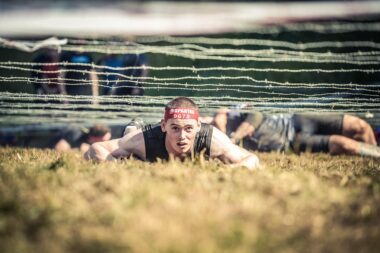
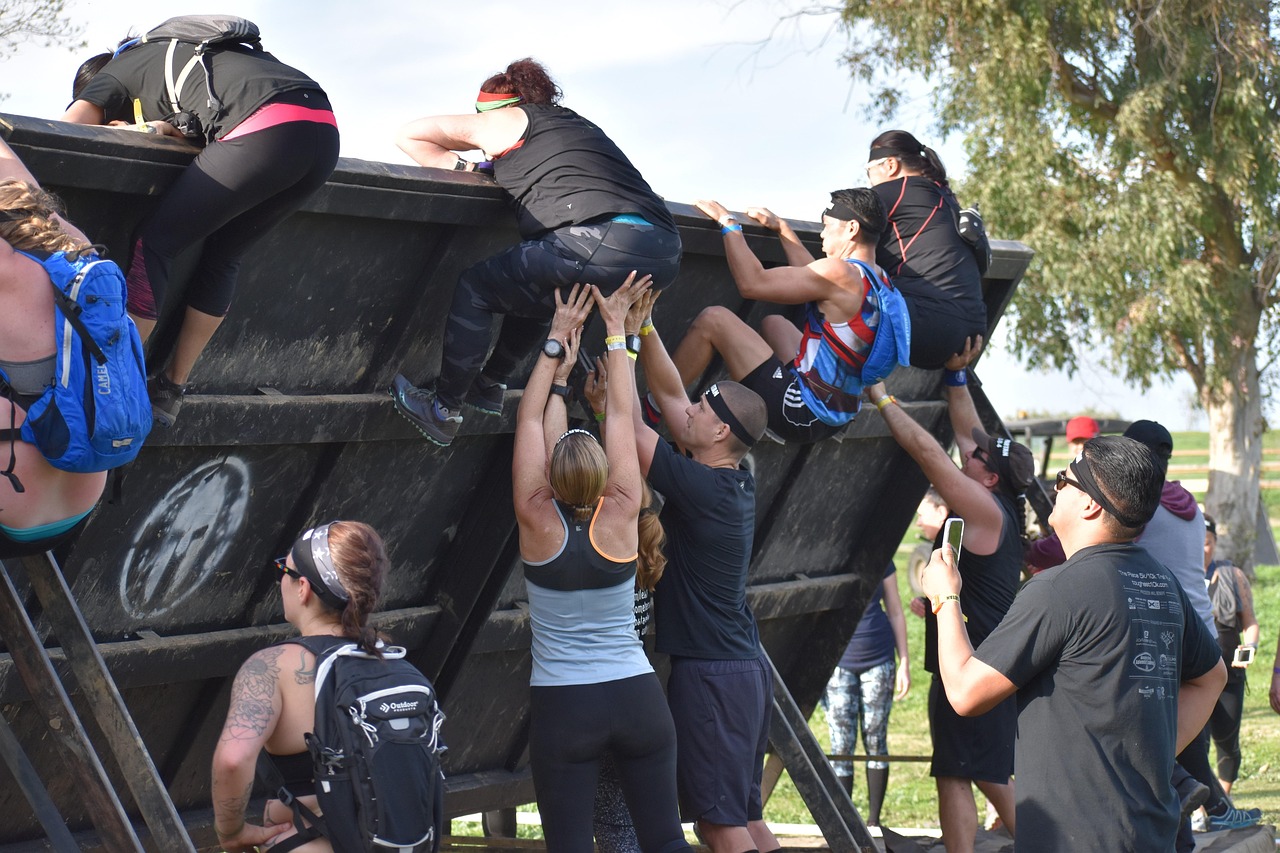
Incorporating strength and conditioning exercises is critical for success in virtual obstacle races. As you create your training plan, focus on building functional strength that translates well to race conditions. Bodyweight exercises, such as push-ups, squats, and lunges, are excellent foundation movements to start with. Additionally, incorporating compound movements like deadlifts and bench presses can enhance overall muscle strength. Aim for at least two dedicated strength training sessions weekly, targeting different muscle groups. Include exercises that mimic potential race obstacles, like climbing or crawling, to prepare your body for these unique challenges. Moreover, adding plyometric drills can improve explosiveness and agility, making you more versatile in navigating obstacles. Conditioning workouts, which enhance cardiovascular fitness, should also be included, helping to improve your stamina during races. These can combine running with high-intensity intervals for better endurance. Finally, recovery techniques, such as stretching and foam rolling, are vital for injury prevention. Listening to your body and adjusting your plan accordingly will help you progress without setbacks, making your path to OCR success more attainable and effective.
Nutrition plays a pivotal role in your OCR training plan, especially as a beginner. Consuming the right balance of macronutrients is essential to fuel your workouts and recovery. Start by focusing on a diet rich in whole foods, emphasizing fruits, vegetables, whole grains, lean proteins, and healthy fats. These foods provide the necessary energy and nutrients needed for intensive training sessions. Prioritize hydration by drinking plenty of water throughout the day, as staying hydrated supports optimal performance. Additionally, consider meal timing—eating a carbohydrate-rich snack before workouts can enhance your energy levels. Post-workout, focus on protein intake to aid in muscle recovery and growth. You may also experiment with electrolyte drinks during longer training sessions to replenish lost minerals. As you progress, listen to your body and adjust caloric intake based on your energy needs. Keeping a food journal could help identify the best foods for your training. Furthermore, consulting a nutritionist or dietitian could provide personalized guidance to optimize your nutritional plan as you prepare for virtual OCR races. Balancing workout efforts with proper nutrition will lead to a successful training experience.
In preparation for virtual obstacle course racing, mental preparation is equally important. Psychology can greatly influence your performance, especially during intense physical challenges. Start by setting clear and achievable goals to foster a positive mindset. Begin with small milestones that lead to larger objectives, promoting a sense of accomplishment. Visualization techniques can effectively prepare you mentally for obstacles you’ll encounter in virtual races. Envisioning yourself successfully overcoming each challenge enhances confidence and readiness. Furthermore, regular practice of mindfulness and relaxation techniques can help manage race day anxiety. Consider integrating meditation or breathing exercises into your routine to cultivate focus. Additionally, surrounding yourself with a supportive community or training partner can provide motivation and camaraderie. Sharing experiences online within OCR forums can also enrich your journey, providing tips and support from seasoned racers. Persistence and resilience are essential qualities in OCR training; learning to embrace discomfort and pushing through limits will develop inner strength. Finally, keeping a positive attitude toward setbacks will encourage long-term growth. Developing these mental strategies alongside physical training will prepare you comprehensively for your virtual OCR events.
Tracking your progress is vital in any training plan, especially for virtual obstacle course racing. Employing systematic ways to monitor improvements can keep you motivated and accountable. Start by setting up a training log or using fitness apps to record your workouts, detailing exercises, repetitions, and durations. This record will help you identify patterns, understand strengths, and recognize areas needing improvement. Regularly assessing your performance every few weeks can also provide valuable feedback. Consider timing yourself on a variety of obstacle-related drills, ensuring you’re improving in speed and efficiency. Additionally, participating in mock virtual races can help gauge your readiness for actual competitions. Keep note of your nutritional habits and recovery practices too, as these will also affect your performance. By analyzing this data over time, you can fine-tune your training plan for optimal results. Celebrate milestones, whether big or small, by rewarding yourself as this encourages continued dedication. Finally, remember that improvement may not always be linear. Adapting your plan according to your progress and feelings is crucial in sustaining long-term commitment and enjoyment in your OCR training journey.
As you near the date of your virtual obstacle race, proper tapering and preparation become essential. Tapering involves gradually reducing your training intensity and volume to allow your body to recover adequately before competition. This process helps ensure you’re physically primed without fatigue on race day. Begin tapering at least one to two weeks prior, focusing on maintaining activity while decreasing workload. Specificity in your training is important—prioritize activities that closely mimic race conditions. Nutritional adjustments during this tapering phase should also be considered, ensuring you consume energy-dense foods while focusing on hydration. The final days before the race are crucial; aim for plenty of rest and relaxation to alleviate any remaining tension. Reviewing your race plan can help combat anxiety during this period. Familiarize yourself with the virtual platform and understand the scheduled events. Make sure you have all equipment and clothing ready to avoid last-minute chaos. Finally, visualizing a successful race can improve confidence, paving the way for an enjoyable experience. When the race arrives, trust your training, execute your plan, and enjoy the unique challenges of virtual OCR racing.
Post-race recovery is an essential component of an effective virtual OCR training plan, especially as a beginner. Engaging in recovery activities aids in muscle repair and reduces soreness after the challenges of the race. Begin with gentle stretches and foam rolling to alleviate tension and promote blood flow to fatigued muscles. Additionally, prioritize nutrition by refueling with a balanced meal focusing on protein and carbohydrates within a few hours after the race. Hydration remains vital, so ensure you drink water or electrolyte drinks to replenish lost fluids. Listening to your body during this recovery phase is crucial; allow adequate time before resuming full-intensity workouts. This might mean taking a few rest days or engaging in light activities like walking or yoga to aid recovery. Tracking your feelings and physical condition during this period can help inform future training sessions. Reflecting on your race experience, analyzing what went well, and identifying areas for improvement will provide valuable insights. Finally, connecting with fellow racers to share post-race experiences can amplify the enjoyment of the racing community and sustain motivation for upcoming events.