
Emergency Procedures in Winter Sports: What to Do When Accidents Happen
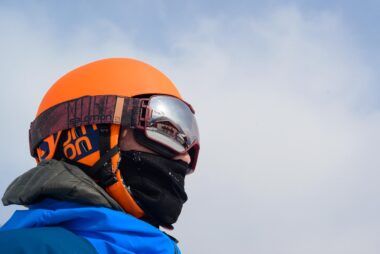
Winter sports bring excitement but also risks of accidents. When participating in activities like skiing or snowboarding, one must be prepared for possible emergencies. Recognizing the environment is crucial; icy slopes may pose more danger than expected. Always assess weather conditions and be aware of your surroundings. Make sure to wear appropriate protective gear, including helmets and pads, which can prevent severe injuries. If you’re skiing or snowboarding in a group, inform someone of your plans. Should an accident occur, it’s vital to remain calm. Most importantly, conduct a quick assessment of the injured individual’s condition. Check for any immediate life-threatening issues while staying with them. It’s also helpful to know the location of the nearest first aid station or rescue teams. Always keep a reliable phone handy to communicate effectively. A phone could save lives in emergencies, enabling prompt assistance. Setting up a clear communication plan with your group ensures everyone knows what to do during accidents, enhancing safety. Always remember, prioritizing safety measures significantly reduces risks when enjoying winter sports.
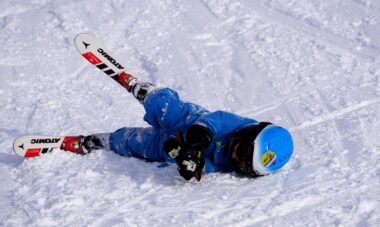
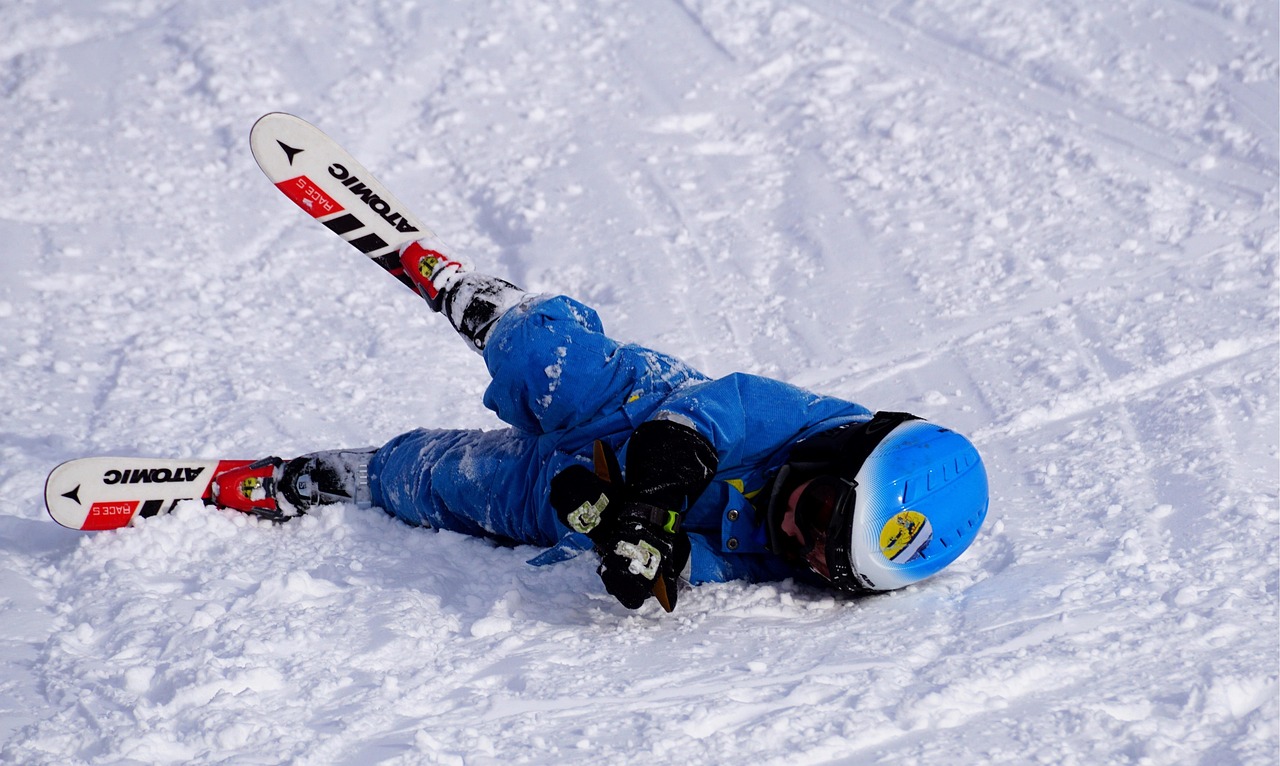
In an emergency situation during winter sports, knowing how to respond can significantly impact outcomes. Firstly, if someone falls or has an accident, immediately check for responsiveness. If they are conscious, calmly ask about their condition and whether they can move. Encourage them to stay still while preventing further harm. In cases of unconsciousness or severe injuries, it’s crucial to call for professional help. Use the emergency contacts saved on your phone to get help quickly. Next, don’t attempt to move the person unless there’s an imminent danger, such as an avalanche or other hazards. When help arrives, provide as much information as possible about the accident. Share details like the location, nature of injuries, and any actions taken. This information is vital for rescuers to assess the situation accurately. Adhere to rescue team instructions and provide necessary assistance without compromising your safety. It’s important to stay calm, as panic can worsen an already stressful situation. Follow the guidelines for emergencies you learned ahead of your time on the slopes. Practicing these protocols prepares you for real scenarios.
Understanding Winter Sports Injuries
The most common injuries in winter sports often result from falls or collisions. Skiers and snowboarders can experience sprains, fractures, or concussions, highlighting the importance of safety protocols. Most knee injuries are due to twisting motions during a fall, underscoring why proper technique is vital. Fractured wrists frequently result from attempting to break a fall with hands, leading to the necessity for protective gear. Wearing wrist guards and knee pads can significantly reduce injury risks. Additionally, you should note that altitude sickness can affect skiers at high elevations, leading to headaches or nausea. Staying hydrated and acclimatizing to changes in elevation helps mitigate these effects. Also, be aware that frostbite risks increase when exposed to extreme cold, so make sure to dress appropriately. Use layers of clothing, focusing on moisture-wicking and insulated materials to shield against cold temperatures. Invest in thermal gloves and socks, which provide essential warmth. Awareness of these common injury types and their prevention methods enhances overall safety on winter sports outings. Always prioritize education and preparation before venturing into challenging winter environments.
Aside from physical injuries, winter sports can also pose psychological challenges for participants. Fear of falling can lead to anxiety, which may impact performance and increase injury risks. Understanding these psychological factors is essential for safe participation in winter sports. Techniques such as visualization can help athletes build confidence before hitting the slopes. Visualize every turn and maneuver beforehand, creating a mental map of the course. Additionally, practicing mindfulness exercises can reduce fear and anxiety, ultimately improving focus and performance. Remember that every skier has fallen or faced challenges, which can help normalize those experiences. Support systems, including friends or instructors, play a crucial role in minimizing psychological distress. Communicate any fears with trusted companions, as sharing can alleviate stress. When feeling overwhelmed, it’s better to take a break rather than push through discomfort. Frequent rests during skiing or snowboarding sessions enable mental and physical recovery. Incorporating relaxation techniques, such as deep breathing exercises, also helps manage stress levels. Prioritize mental wellness alongside physical fitness for an enjoyable winter sports experience.
Importance of First Aid Knowledge
Having first aid knowledge is invaluable when engaging in winter sports activities. It prepares participants to handle various emergencies effectively. Basic first aid skills, including CPR, can mean the difference between life and death in critical situations. Consider taking a first aid course that covers common winter sports injuries and emergency response techniques. Many local organizations and ski centers offer courses specifically focusing on winter sports first aid. Equip yourself with a first aid kit, ensuring it contains supplies like bandages, antiseptics, and splints. Always check your first aid kit before heading out to ensure that none of the supplies have expired and that everything is in place. Familiarize yourself with how to use it correctly, so you can act swiftly when needed. Ensure that someone in your group has first aid training, creating additional safety assurance. Encourage others to also learn first aid skills, promoting a culture of safety amongst winter sports enthusiasts. The more participants understand first aid protocols, the better equipped they are in emergencies. Ultimately, it enhances their enjoyment and confidence on the slopes, leading to a safer experience.
Emergency communication is critical in ensuring safety during winter sports activities. Establishing a clear plan before heading out helps participants respond effectively during unforeseen incidents. Whether skiing with friends or joining a larger group, ensure that everyone knows the designated meeting point in case of an accident. Share emergency contact numbers and teach all participants how to use them correctly. Mobile phones are essential tools for emergency communication, but ensure everyone is aware of network coverage limitations in remote areas. Carry portable power banks to keep devices charged throughout your outing. Additionally, consider using walkie-talkies or radios for immediate communication where phone signals may fail. Establish specific signals or codes that indicate various situations, such as a need for assistance or a change of plans. Practicing these communication strategies adds to the overall preparedness of your group, ensuring everyone feels secure. Encourage a culture of open dialogue about safety concerns and emergency responses within the group. Effective communication reduces confusion and ensures a team-oriented approach, enhancing overall enjoyment of winter sports activities.
Post-Incident Assessment
After any incident, conducting a post-incident assessment is essential for learning and prevention. First, evaluate what happened, identifying the factors leading to the accident. This process requires openness and honesty from all involved to draw meaningful conclusions. Maintain a non-judgmental environment, encouraging participants to express their thoughts freely. Consider aspects like equipment failure, environmental conditions, or personal safety habits while evaluating the incident. Compare the situation against current safety protocols to identify any deviations. Next, document the findings of the assessment, as it provides valuable insights for future outings. Share the results among your group to improve safety awareness collectively. Discuss preventative measures to avoid similar incidents in the future, fostering a learning culture among participants. Additionally, being aware of any lingering emotional impacts is crucial after an incident, as they may affect future performance. Providing support to one another helps build group cohesion and resilience. Remember that every experience contributes to overall safety and enjoyment in winter sports. Incorporating lessons learned enhances both knowledge and safety for everyone involved.
In conclusion, prioritizing emergency procedures can enhance safety during winter sports. Understanding injury types, adhering to first aid knowledge, and promoting communication significantly contribute to better experiences on the slopes. Encourage mindfulness and mental wellness to help combat fear and anxiety, ensuring everyone enjoys their time outdoors. Preparation, awareness, and adaptability are essential when participating in winter sports activities, enhancing both safety and enjoyment. Share these practices with fellow enthusiasts to cultivate a safer environment, fostering a culture of preparedness. Most importantly, create a network of support among winter sport participants, reinforcing the importance of teamwork in all aspects of activities. Every individual plays a role in ensuring the group’s safety, making everyone part of preventative measures. Together, implement these emergency procedures and enjoy winter sports responsibly, knowing that safety is prioritized. Always remember that preparation is key; enjoy these activities while ensuring that every safety measure is taken seriously. Safety ensures that everyone can focus on having fun, creating unforgettable winter sports memories that are cherished for years to come. Stay safe, act responsibly, and enjoy the thrill of winter sports.