
Exercise and Hormonal Regulation in Elderly Men and Women
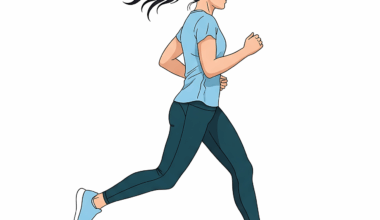
As people age, hormonal regulation undergoes significant changes, influencing both physical and mental well-being. In elderly men and women, exercise plays a pivotal role in maintaining balance within these hormonal systems. Key hormones affected include testosterone, estrogen, cortisol, and growth hormone. Regular physical activity can help mitigate the decline of anabolic hormones while also managing the catabolic effects of stress hormones. Elderly individuals should engage in both aerobic and resistance training exercises, as these modalities support hormonal balance. Additionally, strength training can enhance lean muscle mass, which impacts metabolism positively. This is essential for elderly populations that often experience sarcopenia, the loss of muscle mass. This decline contributes to decreased functionality and increased frailty. The benefits of exercise extend beyond muscular improvements; they also enhance insulin sensitivity, reduce inflammatory markers, and promote better mental health. Ultimately, incorporating structured exercise programs tailored for seniors can significantly enhance life quality while fostering healthier hormonal profiles. This integration of exercise into daily routines should begin even earlier in middle age to maximize benefits throughout the aging process.
Regular exercise significantly impacts how hormones function in aging populations. In elderly individuals, it promotes healthier levels of growth hormone and insulin-like growth factor 1 (IGF-1), both crucial for muscle growth and overall vitality. Engaging in weight-bearing activities stimulates bone density, mediated through various hormonal pathways. Moreover, the shift towards a more sedentary lifestyle among the elderly contributes substantially to these hormonal shifts that could lead to adverse health outcomes, such as obesity and metabolic syndrome. Likewise, the frequency, intensity, and type of exercise influence these hormonal changes; moderate-intensity aerobic exercises can lead to enhanced hormonal responses. Interventions involving strength training have demonstrated particularly notable impacts, yielding improvements in metabolic health by enhancing muscle sensitivity to insulin. An integrated approach towards fitness addressing both cardiovascular endurance and muscular strength can foster optimal hormonal responses. Additionally, flexibility and balance training are also vital components. By encouraging a comprehensive workout routine, seniors can optimize hormonal performance, thus managing their aging process more effectively. This holistic strategy not only improves physical health but also promotes emotional well-being and social interaction, vital for aging gracefully.
The Role of Estrogen and Hormones in Aging
In women, estrogen plays a significant role in hormonal regulation and overall health, especially post-menopause. The decline in estrogen levels can lead to numerous health concerns, including increased risks of osteoporosis and cardiovascular diseases. Engaging in regular exercise helps counter these effects by supporting estrogen levels and decreasing body fat, which is crucial since fat tissue can produce estrogen. Furthermore, weight-bearing activities like walking or strength training can improve bone density, reducing vulnerability to fractures. Elderly women should incorporate diverse exercise routines targeting not just muscle strength but also cardiovascular fitness. The benefits of regular movement extend beyond just hormonal balance; they enhance mood and cognitive function. This is particularly important in managing depression and anxiety, which can be prominent challenges in the aging population. Studies consistently show that physical activity produces endorphins, natural mood lifters that combat feelings of sadness. Likewise, maintaining social connections through group exercises can offer emotional support and reduce the sense of isolation often felt by seniors. Therefore, a well-rounded exercise regimen tailored to hormonal health is crucial for elderly women’s wellness and longevity.
The relationship between exercise and testosterone in older men is complex yet critical for maintaining their health. Testosterone levels naturally decline with age, impacting muscle mass, libido, and mood. Resistance training has shown a remarkable capacity to stimulate testosterone production even in those presenting with low baseline levels. Men who engage in regular physical activity exhibit improved muscle strength and endurance. Furthermore, it reduces fat levels and enhances overall physical function. Incorporating high-intensity interval training (HIIT) may also yield significant hormonal benefits by temporarily boosting testosterone levels. Additionally, the psychosocial aspects of exercise should not be underestimated. Participating in physical activities can improve confidence and promote social ties, both of which contribute positively to mental well-being. Elderly men should thus focus on maintaining an active lifestyle to stave off not just physical ailments but also emotional challenges. This includes engaging in varied physical activities, from aerobic exercises to strength training and flexibility routines. Consequently, establishing a consistent workout schedule can result in significant improvements in overall hormonal health and quality of life for older adults. This multifaceted approach to fitness offers a pathway towards prolonged vitality.
Exercise as a Tool for Hormonal Balance
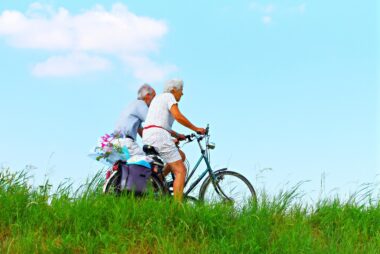
Integrating structured physical activity into the daily routine proves immensely beneficial for elderly individuals trying to achieve hormonal balance. Exercise influences various endocrine functions and can help regulate hormones such as cortisol, glucose, and insulin. By promoting physical activity, one can see a reduction in stress levels, which often correlate with elevated cortisol. High cortisol levels contribute to health issues, including obesity and hypertension, which are common in the elderly. Furthermore, improved insulin sensitivity enhances glucose metabolism, thereby decreasing the risk of type 2 diabetes. It is essential for older adults to monitor their physical activity and integrate aerobic exercises such as walking, swimming, or cycling along with strength-training activities. These exercise forms work synergistically to bolster hormonal responses positively. Additionally, lifestyle factors such as adequate sleep and balanced nutrition synergistically promote hormonal health. Quality sleep, particularly REM sleep, safeguards hormonal balance, while a diet rich in nutrients supports muscle recovery and overall health. Elderly adults can enhance their quality of life significantly by prioritizing exercise as a multifaceted tool for hormonal regulation.
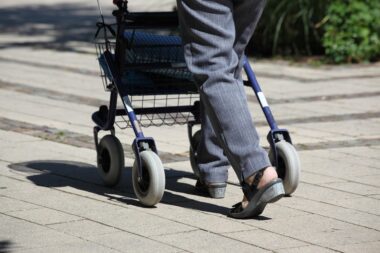
Hormonal changes due to aging can lead to various challenges like decreased energy, higher fat mass, and reduced muscle function. Addressing these issues through exercise fosters not just physical improvements but also emotional resilience. Key exercises focus on cardiovascular, strength, flexibility, and balance training to provide comprehensive benefits. Incorporating strength training specifically combats age-related muscle loss. Studies indicate that elderly individuals who maintain regular exercise routines enjoy better health outcomes, including reduced rates of chronic illnesses. Participation in group exercise classes also enhances motivation while fostering social interaction. Despite potential barriers like physical limitations or previous injuries, modifications can be made to create inclusive exercise programs tailored to individual capacities and needs. The psychological benefits gathered through a sense of achievement and increased confidence from exercise are equally crucial. Therefore, facilitating an environment where elderly individuals feel supported in their fitness journey directly contributes to their hormonal health. Establishing a move-to-thrive culture among older adults can foster long-term engagement with exercise, ultimately reflecting positively on their hormonal status and general well-being over time.
Conclusion: Lifelong Exercise in Hormonal Management
Understanding the importance of exercise in hormonal regulation is crucial, especially for aging populations. By implementing a consistent fitness regimen, elderly individuals can significantly enhance their quality of life and health outcomes. Aging introduces various hormonal challenges, including decreased muscle strength, elevated fat levels, and impacts on emotional health. These challenges can be effectively managed through diverse exercise strategies, which include strength training, aerobic activities, flexibility exercises, and social engagement through group classes. Ultimately, the exercise prescription should be individualized with an emphasis on safety, sustainability, and enjoyment. Encouraging elderly men and women to maintain active lifestyles not only aids hormone balance but also mitigates the risks associated with chronic diseases. Moreover, promoting holistic wellness, including lifestyle and dietary changes alongside regular exercise, provides comprehensive support for aging individuals. As a community, we must advocate for awareness regarding the benefits of physical activity among seniors, enabling them to embrace healthier, more active lifestyles which can uphold their hormonal and overall health for years to come.
With the right exercise strategies, both men and women can achieve substantial improvements in their hormone levels and overall health as they age. In addition to structured exercise, continuous education about lifestyle choices will play a vital role in sustained hormonal balance. Regularly reviewing one’s fitness plan allows for necessary adjustments catering to the individual’s evolving health status. Encouraging elderly individuals to seek guidance from fitness professionals can enhance adherence to exercise programs and provide tailored recommendations. Utilizing technologies such as fitness trackers can further support engagement through goal setting and monitoring progress in real time. It is essential for both caregivers and family members to foster an encouraging environment that emphasizes physical activity as a pillar of health. As communities become more aware of the relationship between exercise and hormonal health, public health campaigns can be designed to motivate seniors towards regular physical activity. By committing to exercise, elderly adults not only improve their hormonal profiles but also promote self-efficacy and a positive outlook on aging. Overall, embracing physical activity as a core element of aging gracefully can lead to a brighter, healthier future.