
Flexibility and Proprioception: Keys to Injury Prevention
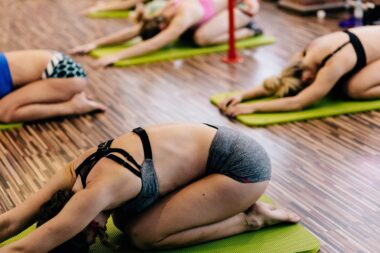
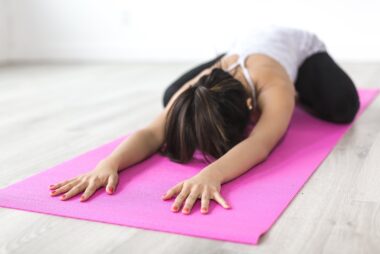
Flexibility is one of the critical components of physical fitness, and it plays an essential role in injury prevention. By enhancing the range of motion in our joints and muscles, flexibility allows for smoother movement patterns which can reduce the risk of strains and sprains. Regular stretching exercises create an elastic response in muscles and connective tissues; hence, they remain flexible and resilient against sudden demands. It is vital to incorporate a balance of static and dynamic stretching techniques into your routine. Static stretching involves holding a position to elongate the muscle, while dynamic stretching includes movement-based exercises that promote flexibility and warm-up the body. Understanding and implementing various stretches can benefit athletes and individuals alike. Furthermore, flexibility also promotes better posture and alignment, contributing to overall functionality and reducing injury rates. When muscles are flexible, they can absorb shock and impact more effectively, protecting joints. This protective aspect of flexibility is imperative during high-intensity training sessions when the body is exposed to increased physical stress.
Understanding Proprioception
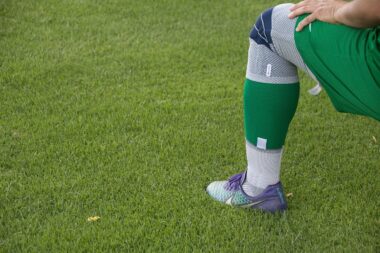
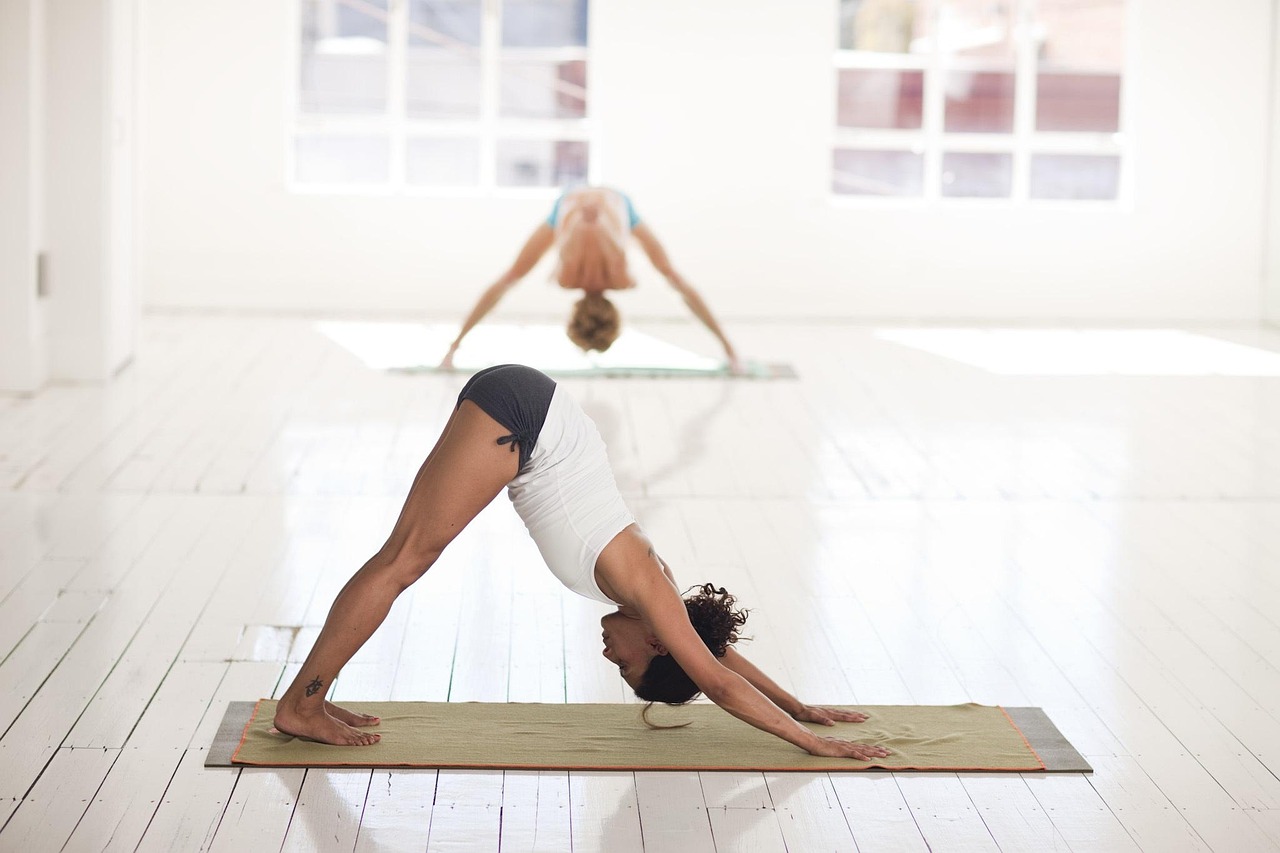
Proprioception refers to the body’s ability to perceive its own position in space. This sensory capability is crucial during physical activities, as it allows individuals to adjust their posture and movements effectively. Improved proprioception enhances balance and coordination, decreasing the likelihood of falls and injuries during sports or daily activities. This sensory information stems from receptors located in muscles, tendons, and joints, which relay crucial feedback to the brain. As we engage in flexibility exercises, our proprioceptive awareness can also be enhanced. Incorporating activities like yoga and balance training can significantly improve our proprioceptive skills. Practicing balance poses helps the body recognize its spatial position and promotes stabilization. Athletes often benefit from proprioceptive training, particularly those involved in sports requiring quick directional changes, like soccer and basketball. For example, incorporating balance boards or stability balls can challenge the body to adapt and respond to shifting inertia. Consequently, enhancing proprioception through flexibility can lead to better performance while minimizing injury risk. Engaging in regular proprioceptive exercises will serve as an investment in your overall athletic longevity and well-being.
There are several methods to improve flexibility that can effectively contribute to injury prevention. First, consider a consistent practice of stretching routines targeting different muscle groups. This approach ensures that no muscle is neglected, assessing flexibility evenly across the body. Furthermore, utilizing foam rollers in self-myofascial release is another beneficial technique. Foam rolling helps alleviate muscle tightness and improve blood flow, leading to increased flexibility and reduced soreness post-exercise. Engaging in activities like Pilates and yoga can also enhance overall flexibility while incorporating proprioception training. You will not only gain flexibility but also improve mental focus and relaxation, which plays a significant role in performance. Additionally, during warm-ups, dynamic stretches are essential as they prepare your muscles and joints. Focusing on gradual movements allows muscles to adapt and respond effectively to physical demands. It is also vital to recognize that optimal flexibility is specific—each individual has a unique level of flexibility and therefore should tailor their routines accordingly. Consider consulting with a trained professional for personalized assessments and recommendations to ensure safety and effectiveness.
The Benefits of Stretching
Stretching offers an array of benefits beyond improved flexibility. Engaging in regular stretching routines can lead to increased muscle performance and reduced soreness following workouts. As muscles lengthen and adapt to the stretching routine, they become less prone to injury during dynamic movements, opening up new avenues for physical performance. Furthermore, stretching promotes relaxation by reducing muscle tension, which can be essential when combating stress. Maintaining flexibility is crucial for athletes, as it aids in achieving optimal movement efficiency. When muscles can lengthen properly, they can provide better propulsion and endurance in physical activities. Stretching can also promote blood circulation, bringing oxygen and nutrients to the muscles while flushing out metabolic waste. This process enhances recovery and prepares the body for future workouts. Additionally, flexibility can positively impact posture, which translates to better exercise form and reduced strain on the body. In summary, embracing a comprehensive stretching routine provides multifaceted benefits that contribute to both performance and health.
Incorporating proprioception exercises into your flexibility routine can substantially enhance your injury prevention strategies. Specific exercises target balance, spatial awareness, and core stability, crucial aspects often overlooked in traditional flexibility programs. For example, integrating single-leg stands, tandem walking, or balance disc exercises can create more well-rounded capabilities. The interplay between flexibility and proprioception can yield better body awareness, making it easier to recognize potential risks in physical activities. This awareness is especially vital during challenging movements or when participating in high-stakes sports. Proprioceptive training encourages the body to respond swiftly to changes in balance or coordination, enhancing overall athletic performance. Implementing proprioceptive elements into your warm-up sessions can elevate the effectiveness of your main workout by reducing risks associated with injuries. Regular practice can form a solid foundation for better agility and speed, essential components in many sports. Therefore, when aiming for optimal flexibility and injury prevention, ensure to emphasize proprioception in your training pursuits.
Establishing a Routine
Establishing a regular flexibility and proprioception training routine is pivotal for long-term injury prevention. Consider committing to at least three sessions per week to see meaningful results. First, set realistic goals based on your current levels of flexibility and proprioception. Track your progress in a journal to stay motivated and focused on improvements over time. Begin each session with a proper warm-up, incorporating dynamic stretches to prime the muscles. After the workout, focus on static stretching to enhance flexibility and promote recovery. Identify specific areas of tightness or discomfort and concentrate on those regions during your stretching routines. Additionally, consider incorporating flexibility-enhancing activities like yoga or swimming into your weekly plans. As the body adapts, gradually increase the intensity or duration of exercises to continue challenging your limits. Additionally, remember to listen to your body; pushing beyond its comfort zone can lead to injuries. This balanced approach ensures that you reap the full benefits of enhanced flexibility and proprioception while minimizing risks effectively.
In summary, flexibility and proprioception are paramount in injury prevention strategies. By understanding their importance and actively incorporating them into your training regimen, you can enhance performance and reduce the risk of injuries significantly. The synergy between flexibility and proprioception fosters better movement patterns and heightens body awareness, critical for athletes and individuals alike. Regularly practicing various stretching techniques ensures a comprehensive approach that nurtures overall health and well-being. By establishing routines grounded in flexibility and proprioceptive drills, individuals can create solid foundations for long-lasting athletic performance. Furthermore, these elements contribute to improved mental focus, relaxation, and vitality, enhancing overall quality of life. As a result, integrating flexibility training and proprioceptive exercises fosters lifelong habits that promote injury prevention and aid in recovery. Remember, the commitment you make today will yield significant benefits for your future performance, both in sports and daily activities. Embrace the journey toward better flexibility and proprioception, knowing that every step is a crucial investment in your health and physical longevity.