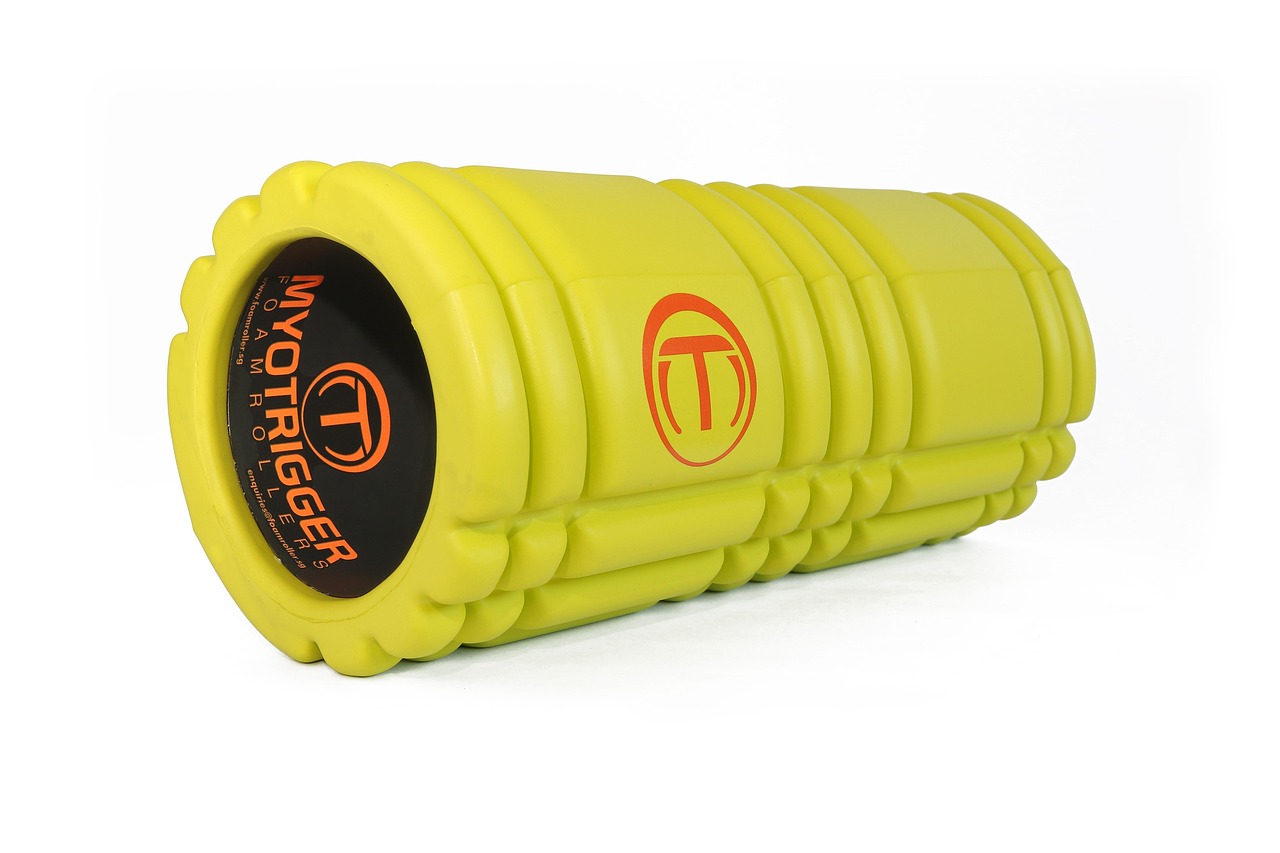

Foam Rollers and Their Impact on Muscle Recovery for Bodybuilders
Foam rollers have become a staple in the world of bodybuilding and fitness, serving as essential tools for muscle recovery. These cylindrical pieces of foam assist in alleviating muscle tension, improving flexibility, and promoting blood circulation. Often overlooked, the importance of recovery tools like foam rollers is immense, especially for bodybuilders who put tremendous strain on their muscles during training sessions. Rolling out sore muscles not only helps with recovery but also prepares the body for future workouts. By using a foam roller, bodybuilders can alleviate symptoms of delayed onset muscle soreness (DOMS). Thus, incorporating foam rolling into a post-workout routine can facilitate faster recovery times by enhancing the healing process. The physical benefits are enhanced when foam rolling is paired with proper hydration and nutrition. Moreover, foam rollers come in various densities, making it possible for users to select the appropriate one for their needs. This versatility means that beginners and seasoned athletes alike can derive significant benefits from regular use, promoting better performance and preventing injuries.
One of the significant benefits of using foam rollers is their impact on myofascial release, which is essential for bodybuilders. Myofascial release refers to the process of relieveing tension in the fascia, the connective tissue surrounding muscles. When a bodybuilder undergoes rigorous training, the fascia can tighten and limit range of motion. This restriction can lead to injuries if not addressed, which is why foam rollers are highly effective. By rolling the foam roller over tight muscles, it helps break up knots and adhesions in the fascia. Consequently, this aids in restoring optimal function and elasticity in the muscles, allowing bodybuilders to achieve better lifting form and results. Utilizing foam rollers also enhances overall comfort during workouts. It can help with mobility and performance by promoting a more functional range of motion within joints. Implementing foam rolling techniques as a regular practice can significantly improve exercise outcomes. Being conscious about muscle care can lead to long-term positive effects on performance. Integrating foam rollers in recovery routines is a proactive approach towards maintaining one’s physical condition.
Another noteworthy advantage of foam rollers is their accessibility and affordability, making them perfect for any bodybuilder’s toolkit. Foam rollers come in various shapes and sizes, catering to different preferences and targeted muscle groups. Users can easily perform foam rolling exercises at home or at the gym without any need for professional assistance. Additionally, these rollers are typically lightweight and portable, allowing bodybuilders to take them anywhere. This convenience encourages consistent use, which is critical for muscle recovery and maintenance. Bodybuilders can choose from among different densities and textures based on personal comfort levels and specific needs. For instance, soft foam rollers are great for beginners or sensitive areas, while more rigid options provide a deeper tissue massage effect for advanced users. Ultimately, the ability to customize the foam roller experience equips bodybuilders with an effective recovery strategy. Incorporating foam rolling into routine workouts turns out to be both a practical and beneficial choice. Regular and proper use can elevate one’s training journey and contribute to shaping overall athletic performance effectively and efficiently.
How to Use Foam Rollers Effectively
To harness the maximum benefits of foam rollers, it is crucial for bodybuilders to understand how to use them correctly. Start by identifying tight or sore muscle areas that need attention. Ensure to apply appropriate pressure while rolling, gradually increasing intensity as the body adapts. Spend anywhere from 30 seconds to two minutes on each muscle group, allowing time for proper release and recovery. The goal is to find tender spots and hold pressure on those areas to facilitate myofascial release. Focus on slow and controlled movements rather than rolling quickly, which may not be as effective. Incorporating deep breath techniques while foam rolling can help enhance relaxation and recovery further. Additionally, establishing a consistent foam rolling schedule can improve its benefits significantly. Many bodybuilders find it helpful to use foam rollers both pre- and post-workout, preparing muscles beforehand and relieving tension afterward. Implementing effective techniques is key to unlocking the full potential of foam rolling in a bodybuilding regimen.
In addition to muscle recovery, foam rolling can significantly enhance one’s overall performance. Improved blood flow facilitates the delivery of essential nutrients to muscles, aiding in growth and recovery. Enhanced flexibility gained through proper foam rolling techniques contributes to better mobility, which is vital in bodybuilding. Increased range of motion allows for proper lifting techniques, which in turn can lead to improved gains, ultimately reducing the risk of injury during intense workouts. Bodybuilders focused on increasing their strength and size should not overlook these advantages. Consistent foam rolling promotes better movement patterns during exercises, offering a smoother and more effective workout experience. Moreover, enhanced recovery times can lead to more frequent and effective training sessions, which is crucial in bodybuilding. By adopting foam rollers within daily training regimens, athletes have an opportunity to ensure that they maximize performance benefits effectively. Rather than solely focusing on lifting heavier weights, recognizing the value of recovery can redefine overall training strategies for bodybuilders.
Conclusion: The Role of Foam Rollers in Bodybuilding
In conclusion, foam rollers serve as an integral component in any bodybuilding recovery strategy. Their benefits range from reducing muscle soreness to enhancing movement patterns, which contribute significantly to athletic performance. As bodybuilders prioritize training and nutrition, it is equally essential to focus on recovery. Regularly including foam rolling in a workout routine promotes balance and fosters longevity in the sport. Foam rollers are practical tools that allow bodybuilders to take charge of their recovery processes, facilitating better health and performance outcomes. As more individuals incorporate foam rolling into their routines, they may notice improvements in their overall training. Using foam rollers has become an invaluable practice, merging recovery with performance enhancement. Thus, investing in a quality foam roller can lead to improved results across various training endeavors. A solid understanding of its benefits and usage ensures that bodybuilders make the most out of their workouts. Ultimately, the role of foam rollers in bodybuilding cannot be underestimated as they provide essential support for relieving muscle strain and pushing the limits of performance.
To further support the growing community of bodybuilders, it’s essential to share experiences and successes. Resources such as online forums and social media platforms provide excellent opportunities for individuals to learn from one another. Sharing foam rolling techniques and benefits allows bodybuilders to optimize their routines, ensuring each member of the community benefits from the collective wisdom. Emphasizing the importance of a comprehensive approach to recovery creates a culture of ongoing learning and improvement among athletes. Additionally, many fitness professionals endorse foam rolling as part of their recommended recovery routines, further validating its significance. Engaging personal trainers and coaches can provide invaluable insights into incorporating foam rolling effectively. They can offer tailored advice based on specific needs or training goals. Therefore, it’s important to appreciate the generous testimonials about foam rollers and the tremendous help they provide. Understanding the connections between muscle recovery and performance encourages bodybuilders to prioritize these essential practices. Ultimately, enhancing one’s experience through shared knowledge elevates the overall conditioning and health of athletes.
In summary, foam rollers impact muscle recovery immensely for bodybuilders. Their importance lies in myofascial release, injury prevention, and overall performance enhancement. Understanding their correct usage can further amplify their effects. Bodybuilders who prioritize recovery along with training significantly improve themselves physically and mentally. Regular foam rolling promotes better muscle repair and reduces stiffness, enabling athletes to keep pushing towards their goals. Exploring the various options available on the market, from basic to advanced foam rollers, caters to every preference and need. Consistent practice leads to positive outcomes that resonate with many bodybuilders. Those who share their experiences and learn from one another contribute to an inviting fitness community. Engaging with fitness professionals solidifies the foam roller’s role as an essential tool. Ultimately, making foam rolling a key component of training routines will aid in achieving exceptional bodybuilding results, building a culture of support and shared dedication toward effective recovery. As awareness continues to grow, the benefits of foam rollers will undoubtedly become more recognized and celebrated within the bodybuilding community.