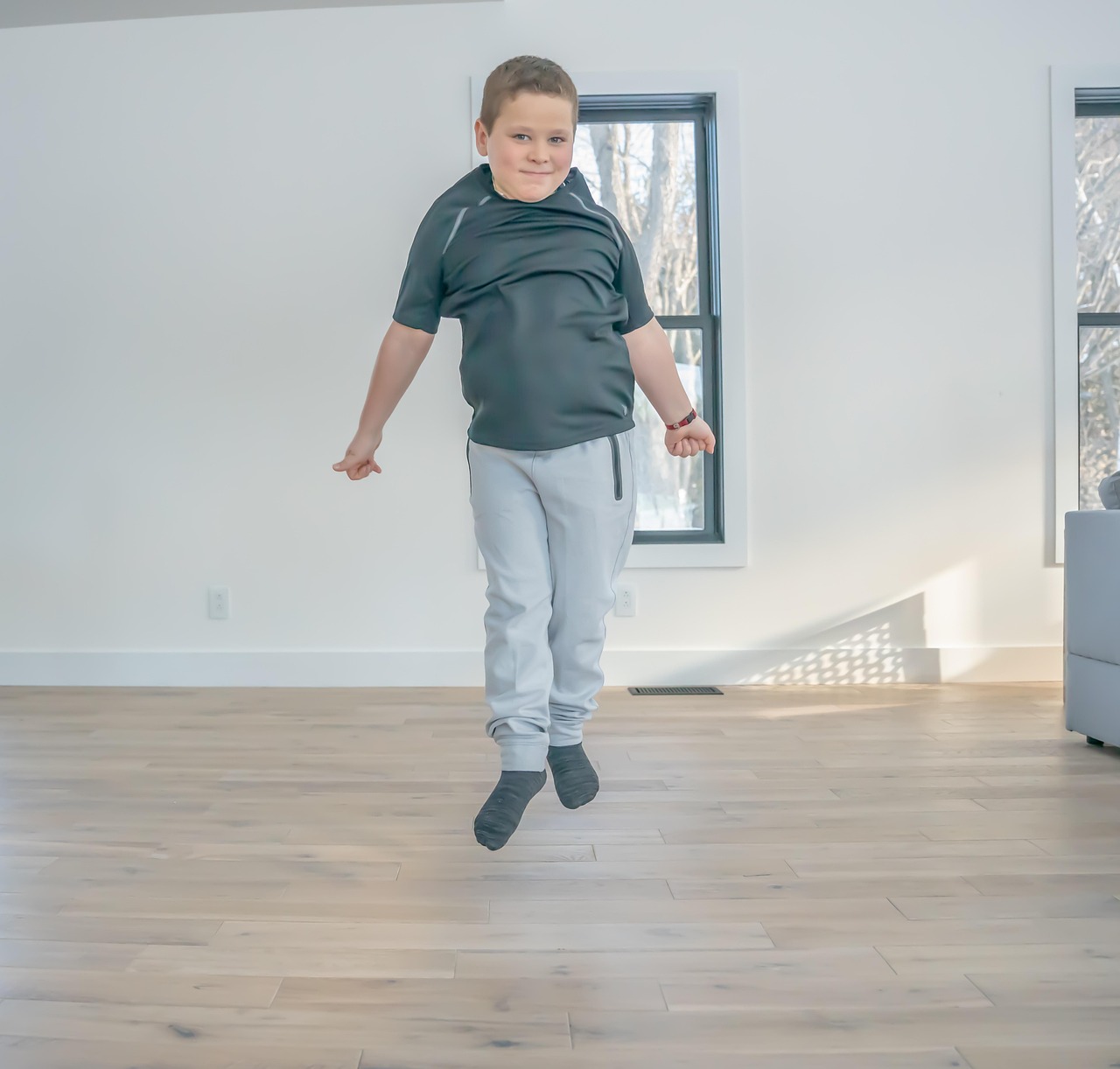

Kids and Muscle Building: Separating Truth from Myth
The world of kids’ fitness is rife with misconceptions, particularly concerning muscle building. Many believe that resistance training can stunt growth in young children. However, studies show that when supervised properly, strength training is safe and effective for kids. It’s crucial to remember that muscle training can enhance overall health, not hinder it. It helps in building bone density, improving endurance, and reducing the risk of sports injuries. Understanding that structured exercise programs can aid in muscle growth while contributing to healthy physical development is vital for parents and coaches. Equally important is the need for age-appropriate exercises that can optimize performance without over-exerting the children. Encouragement and positive reinforcement can play a significant role in a child’s fitness journey. Parents should also foster an environment that promotes physical activity outside structured settings such as sports teams, providing holistic support in their fitness undertakings. Caution should be observed and training should be executed with care to ensure that children enjoy a variety of activities while minimizing risks associated with improper techniques. Balancing fun and fitness is essential for encouraging lifelong habits of health and wellness.
An ongoing myth in the realm of children and muscle building is that weightlifting is exclusively for adults. Many believe that kids shouldn’t lift weights and instead focus on bodyweight exercises. While bodyweight training focuses on fundamental movement patterns, adding resistance through weights can be incredibly beneficial. Children can safely perform resistance training beginning around age 7 or 8, but the key is to keep it age-appropriate. It’s essential to steer clear of performance-enhancing philosophies that can lead to injuries. Think of resistance training as a means to improve strength and coordination, rather than an avenue for obsession with body image. Trainers and parents must emphasize mastery of form and technique over the amount of weight lifted. In addition, kids should engage in other physical activities such as swimming, running, or cycling to ensure well-rounded fitness. Social interactions during these exercises can further enhance enjoyment and regular participation. Additionally, uplifting a child’s esteem through accomplishments in the gym can result in benefits spreading beyond physical fitness and into their self-confidence. Awareness of these many facets can guide effective programming for children’s fitness.
The Role of Nutrition in Muscle Development
Nutritional practices significantly influence children’s muscle development, but many parents remain unaware of the specifics. A common myth suggests that kids need extraordinary diets rich in protein to build muscle, overshadowing the importance of balanced nutrition. While proteins play a pivotal role, a well-rounded diet that includes carbohydrates and fats is vital. Carbohydrates serve as primary energy sources for active children, fueling their workouts and activities. Healthy fats, such as avocados and nuts, provide essential fatty acids that support overall health and endurance. It’s essential to educate kids on good eating habits while avoiding the restriction of certain food groups, which could prove detrimental. Encouraging frequent, smaller meals can keep energy levels steady throughout the day. Hydration must also factor into any nutrition plan; children often underestimate their need for water during physical activity. Providing healthy snacks post-exercise can aid recovery and stimulate muscle repair. Parents should work together with nutritionists or dietitians to foster healthy eating habits and practices, ensuring sustainability in children’s dietary choices as they grow. This holistic approach can promote healthier lifestyles that extend beyond just fitness.
Another misconception is that young athletes should only focus on their specific sport’s skill and not on building strength. Multisport participation can actually enhance skill development and overall athletic performance. Engaging in different sports provides a variety of movements, contributing to a well-rounded fitness base. Specialized training from an early age may give a child momentary advantages, but can lead to burnout and injury in the long term. Encouraging kids to diversify their activities keeps them interested and motivates them to remain physically active. Additionally, nonsport-specific strength training exercises can improve children’s strength and fitness levels more broadly. This holistic stance lays the groundwork for lifelong athletic involvement. Parents should research available local programs that promote varied activities for kids, ranging from martial arts to gymnastics, so that children can explore different physical pursuits. Socializing with peers through diverse activities helps maintain motivation and fosters teamwork skills. When kids feel more engaged in their physical pursuits, they are more likely to develop a long-term passion for fitness and an understanding of the benefits of diverse training include both physical prowess and enjoyment.
Understanding Recovery for Young Athletes
Recovery is often overlooked, yet it is incredibly important for kids engaged in fitness training. A common myth suggests that children bounce back quickly from workouts and do not require adequate rest. However, young athletes also need time to recover to prevent injuries and improve performance. Sleep and nutrition are crucial aspects of recovery that should not be neglected, as any athlete—young or old—benefits significantly from proper restorative practices. Ensuring kids receive enough quality sleep will help them rebound from strenuous activities while enhancing their mental and physical well-being. Parents must foster good sleep habits from an early age, emphasizing the basic principle of rest in improving performance. Moreover, actively teaching kids about active recovery strategies can enhance their training. Simple activities like walking or easy swimming can contribute to muscle repair while keeping kids engaged. Helping children understand when their body requires rest and listening to it promotes good habits that last a lifetime. Parents and coaches should monitor children’s training intensity, allowing room for adjustments based on individual needs and encouraging a love for fitness instead of a fear of injury that might discourage future participation.
In correcting these prevailing myths, communication with kids is essential. The role of parents, coaches, and educators in providing accurate fitness information for youth cannot be overstated. To prevent the development of harmful beliefs about fitness, it is important to create an environment where children feel comfortable asking questions about their training. Encouraging discussions around fitness topics will help dispel the myths that often lead to confusion. Open dialogue facilitates trust and understanding among children and their adult mentors. Clear and precise explanations will enable kids to grasp the concepts surrounding safe training practices better. This educational environment can build positive relationships with fitness, making physical activity an exciting and enjoyable part of their lives. It’s also essential for guardians to lead by example, showcasing how a healthy lifestyle is approached in daily living. Showing active engagement with physical activities can inspire children to prioritize fitness too. Ultimately, sharing knowledge empowers youth to take charge of their health and understand their bodies’ complexities. When Mentor figures advocate for safety, accuracy, and support, a child’s foundation in fitness strengthens, fostering lifelong healthy habits.
Conclusion: Empowering Kids Through Fitness
Addressing kids and muscle-building myths paves the way for healthier futures. By separating fact from fiction around kids’ fitness, we can foster environments that support physical activity while promoting a balanced understanding of health. The emphasis should always be on safe, positive experiences rather than solely on competition or looks. Encouraging regular activity lays the groundwork for lifelong fitness habits that can lead to overall well-being. With informed parents and supportive communities, kids can flourish as confident individuals through their fitness journeys. The goal must always be to engage children in enjoyable activities, ensuring they discover their potential beyond myths and stereotypes. As we ignite their passion for fitness, we must also instill values around perseverance, teamwork, and joy in movement. Therefore, fitness should never become a chore; instead, it should serve as an exciting adventure where children feel empowered. The conversation around fitness must remain open to continual learning and improvement, inspiring new generations of active, healthy individuals. By fostering a culture of health and fitness through education and guidance, we equip youngsters not only with physical capabilities but also with invaluable life skills.
By nurturing healthy attitudes and practices, we are indeed shaping the future of youth fitness, empowering them to thrive each step of the way.