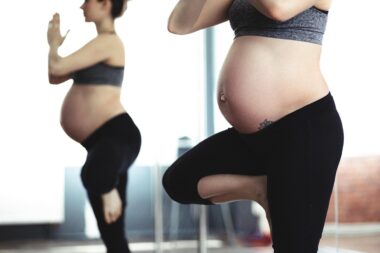

Managing Swelling in Pregnancy Through Safe Exercise Techniques
Swelling during pregnancy, also known as edema, can occur due to several factors, including hormonal changes and increased fluid retention. It’s essential for expecting mothers to engage in safe exercise throughout pregnancy. Regular physical activity can help reduce swelling and improve circulation. Simple self-care techniques can also be beneficial. Understanding how to modify exercises is crucial for those experiencing pregnancy complications. Women should prioritize low-impact activities such as walking, swimming, and prenatal yoga, which can alleviate pressure on joints while promoting mobility. Listening to one’s body is key; any indication of discomfort should signal a rest day or an adjustment in routine. Compression garments, like stockings, may help manage swelling further. They promote blood flow and provide support, making movement easier. Staying hydrated is equally important, as water intake can help flush out excess fluids. Nutrition also plays a role; a balanced diet rich in potassium can aid in regulating fluid balance. Consulting a healthcare provider before starting any exercise program during pregnancy ensures safety and appropriateness. Tailoring activities based on individual needs helps maintain a healthy, active lifestyle, which is vital during this transformative period.
To effectively manage swelling during pregnancy, it’s vital to create a balanced fitness regimen that factors in individual situations and potential complications. Gentle exercises not only alleviate swelling, but also improve overall health for both mother and baby. Various forms of exercise can cater to differing needs and comfort levels. Low-impact aerobics, swimming, or stationary cycling can enhance circulation without straining your body. Additionally, practicing specific stretching techniques can relieve muscle tension and promote better blood flow, essential for reducing edema. Regular contact with a healthcare professional ensures that the exercises selected are safe and effective. Pregnant individuals should also monitor their weight and body changes closely, as these can significantly impact swelling levels. Engaging in tailored practices, such as high-leg raises or seated leg extensions while at work or home, can offer further relief. Remember, every pregnancy is unique; tailoring your fitness routine based on personal experiences will enhance its effectiveness. With the right guidance and commitment, managing pregnancy swelling is achievable. Stay informed, remain attentive to your body’s signals, and incorporate suggestions from healthcare professionals.
Importance of Warm-Up and Cool-Down
Before diving into any exercise routine, especially during pregnancy, it’s crucial to prioritize warm-up and cool-down sessions. A proper warm-up prepares the body for physical activity and helps prevent injury. It increases circulation to the muscles and warm-up can be achieved through gentle stretches or light walking. This also helps in easing muscle stiffness, which is commonly felt during pregnancy. Similarly, a cool-down period allows the body to transition back to its resting state post-exercise. Incorporating slow stretches during this phase can help in managing swelling effectively while preventing stiffness. Both phases ensure that the cardiovascular system adjusts properly. Additionally, integrating deep breathing techniques during warm-up and cool-down maximizes relaxation and boosts oxygen flow. This can further alleviate discomfort and reduce edema. Be sure to engage in these practices consistently within your fitness routine. Keeping a steady pace throughout any exercise is key to maintaining energy levels and avoiding fatigue. As swelling worsens, understanding the importance of warm-ups and cool-downs cannot be emphasized enough. They are essential steps in any pregnancy exercise regimen.
As pregnancy progresses, physical discomfort may increase. Recognizing the signs and making necessary modifications can enhance exercise efficacy significantly. It’s essential to adjust workouts based on your comfort levels and any symptoms you experience. Exercises that may have been effective earlier in pregnancy might need reevaluation. For instance, switch from vigorous cardio to more manageable forms like walking or gentle water aerobics. This keeps the body active without putting undue stress on the joints. Pay attention to postural changes as the pregnancy advances. Adapting exercises to focus on core strength is crucial for stability. Appropriate exercises could include wall sits or pelvic tilts, which help maintain posture and reduce swelling. Emphasize movements that encourage flexibility and low-impact resistance, as they are safe and effective. Listen carefully to your body, modify exercises as necessary, and never hesitate to consult with a physical therapist or exercise professional specializing in prenatal fitness. They can guide exercises tailored to individual challenges and health conditions. Maintaining a flexible exercise plan will not only help manage swelling but also promote overall well-being during pregnancy.
Hydration and Nutrition
Managing swelling involves more than just exercise; hydration and nutrition play key roles. Pregnant women should increase their fluid intake, as staying hydrated can help decrease water retention. Beverages like water and herbal teas can be beneficial, while salty snacks or processed foods should be limited, seeing as sodium leads to fluid retention. Opting for potassium-rich foods, like bananas and leafy greens, can assist with balancing fluid levels, making it easier to manage swelling. Balancing nutrient intake with frequent small meals throughout the day helps improve overall digestion and keeps energy levels steady. Additionally, planning meals around high-fiber foods can prevent constipation, which is common during pregnancy and could further contribute to swelling. Foods rich in omega-3 fatty acids may also reduce inflammation. Therefore, incorporating salmon, nuts, and seeds into daily meals is wise. Regularly monitoring dietary habits and being conscious of cravings helps pregnant women make more informed food choices. Lastly, taking prenatal vitamins as per healthcare recommendations ensures optimal nutrition. Developing excellent hydration practices and meal plans will support a healthy pregnancy journey.
Considering the emotional aspects of managing swelling during pregnancy is crucial. The physical changes can impact a woman’s body image and create anxiety. Addressing these feelings should not be ignored; focusing on support systems and mental well-being is equally important. Engaging with other expecting mothers or participating in support groups offers a sense of community. Sharing experiences can validate feelings and provide practical tips for managing swelling and discomfort. Consistent communication with a partner or family can also offer emotional reassurance, making the journey smoother. Practicing mindfulness techniques, such as meditation or gentle yoga, becomes immensely valuable; easing stress can significantly impact physical comfort levels. Furthermore, incorporating relaxation techniques into the daily routine can provide immense relief. Affirmations or journaling about positive experiences throughout the pregnancy can shift focus from discomfort to moments of joy. Ultimately, taking care of mental health goes hand-in-hand with managing physical symptoms. Health is a holistic journey. Nurturing emotional health just as diligently as physical health, is vital for a fulfilling pregnancy experience. A supportive environment can ease stress, allowing expectant parents to navigate this transformative phase with greater confidence.
Consultation with Healthcare Professionals
Lastly, continuous consultation with healthcare professionals is essential throughout pregnancy for managing swelling effectively. Regular appointments with obstetricians, physiotherapists, or nutritionists provide valuable insights into safe exercise modifications and potential lifestyle adjustments. These professionals can assess each individual’s unique situation, offering personalized recommendations that suit different pregnancy journeys. Establishing open lines of communication encourages the sharing of concerns about swelling or discomfort. A collaborative approach will ensure the best management practices. For high-risk pregnancies or those with specific complications, tailored exercise prescriptions can provide optimal safety and effectiveness. Many healthcare providers may recommend physical therapy designed specifically for pregnant women. This retains gentleness while still aiming for effectiveness. It is vital to ensure that any exercise performed is backed by a solid understanding of pregnancy physiology. Creating a solid support network with healthcare practitioners and specialists allows for ongoing monitoring as pregnancy progresses. Each woman’s body reacts differently, making personalized care essential. Ultimately, maintaining regular consultations creates a secure pathway for managing swelling and enhances overall pregnancy health.
By combining these approaches, women can effectively manage swelling throughout their pregnancy, promoting health and well-being for both mother and baby. Engaging in a mindful, tailored fitness regimen that includes safe exercises and proper nutrition lays the groundwork for a smoother journey. With the support of healthcare professionals and loved ones, addressing any complications becomes achievable. Collectively working on emotional health, physical comfort, and nutritional balance plays an integral role in the overall experience of pregnancy. As movement and exercise become a priority, experiencing the transformative journey of pregnancy becomes positively enriching. By fostering a comprehensive approach, women can thrive and embrace motherhood’s beautiful challenges.