
The Impact of Dance Elements in Cheerleading Routines
Cheerleading is known for its dynamic performances combining acrobatics, chanting, and dance. The integration of dance elements enhances the overall appeal of cheerleading routines. Dance movements can convey emotion, storytelling, and excitement. Incorporating various dance styles such as jazz, hip-hop, or ballet can elevate routines, making them more engaging for audiences. Each dance style offers unique movements that can be effectively adapted to cheerleading choreography. For instance, jazz elements can introduce sharp, controlled motions, while hip-hop brings a more relaxed and energetic vibe. Coaches should encourage cheerleaders to explore these styles to develop their versatility. Additionally, incorporating choreography from popular dance trends can resonate with young audiences, making routines more relatable. This connection can foster a stronger fan base and encourage community support. Coaches must also focus on precise movements, ensuring each cheerleader showcases individual skill while contributing to the team’s overall performance. Attention to detail in dance elements guarantees a polished routine. Practicing dance combinations alongside traditional cheers sharpens skills essential for both cheerleading and dance. Consequently, creating a fusion of cheer and dance enhances the artistic dimension of cheerleading routines.
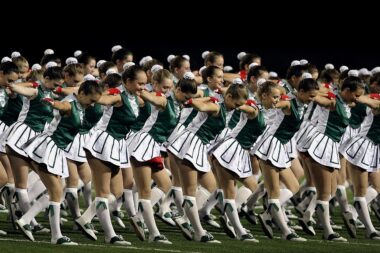
Moreover, the use of dance in cheerleading requires developing strong teamwork and synchronization skills. The effectiveness of routines often depends on how well team members coordinate their movements, ensuring seamless transitions. Cheerleaders learn the value of teamwork through rehearsals, allowing them to support and motivate one another. Effective communication is crucial during performances, as cheerleaders must be alert to cues and adjustments. This fosters a sense of unity, which transcends individual performances. The team members’ ability to move as one enhances the overall visual impact of their performance. Coaches should emphasize the importance of practicing together, fostering camaraderie and cooperation. Additionally, understanding arm placements, footwork, and body lines is essential for achieving synchronization. These elements contribute to the aesthetic feel of routines and impact judging in competitions. As cheerleaders master these dance elements, they also build their self-confidence, which reflects during performances. Increased confidence leads to a stronger stage presence, further captivating audiences. Overall, the emphasis on dance elements in cheerleading not only enriches routines but also cultivates essential life skills such as collaboration and resilience among team members.
Incorporation of Various Dance Styles
In cheerleading, diversity in dance styles allows teams to develop unique identities. Incorporating energetic dance styles like jazz or hip-hop attracts younger demographics, enhancing their connection to routines. Dance invigorates cheerleading, adding flair to performances. A well-executed dance sequence can serve as a highlight, captivating audiences and judges alike. Dance elements allow cheerleaders to showcase creativity in choreography. For instance, incorporating street dance styles can appeal to local trends, while classical styles instill elegance. Coaches play a vital role in this fusion by encouraging dancers to explore their styles. This exploration allows for unique routines that reflect the individual personalities of the cheerleaders. Mixing different genres helps create visually dynamic performances and provides a platform for cheerleaders to express themselves. Understanding various dance influences enhances the choreography and strengthens the team’s overall aesthetic. Exposure to diverse styles cultivates well-rounded cheerleaders, ultimately fostering a more competitive spirit within the team. By embracing diversity in dance, teams can stand out in competitions and create memorable performances that resonate with audiences.
Additionally, understanding fundamental dance techniques is crucial for cheerleaders aiming for success in their routines. Proper training in dance enhances coordination, flexibility, and posture, all vital for executing demanding cheerleading moves. Encouraging cheerleaders to attend dance classes or workshops can improve their skill sets significantly. Coaches should facilitate opportunities for cheerleaders to learn from professional dancers or choreographers, enriching their dance foundation. Adopting a mix of traditional cheer movements with intricate dance techniques results in more intricate routines. Development in dance also helps in injury prevention through proper body alignment and mechanics. Cheerleaders equipped with this knowledge are less prone to injury during performances, creating a safer environment. Furthermore, mastery of dance skills tends to boost self-esteem. The confidence that comes from refining movement quality translates into more engaging performances. This, in turn, captivates audiences and judges, leading to potential success in competitions. Therefore, prioritizing dance training as part of cheerleading practice is essential. The holistic approach not only improves technical execution but also enhances the overall artistic expression of routines performed on the mat.
Building a Strong Performance Through Dance
Adding dance breaks to cheerleading routines creates opportunities for individual expressions and showcasing unique talents. These moments allow cheerleaders to step forward, drawing attention to their personalities and styles. Creativity shines through in these segments, enabling cheerleaders to include personal choreography. Effective combination of dance with traditional cheerleading stunts generates excitement. Cheerleading routines featuring standout dance breaks are often more memorable. Audiences relish the unpredictability that dance elements provide. Coaches should creatively plan these segments, maximizing each cheerleader’s strengths. This practice fosters creativity and encourages proactive participation among team members. Not only do dance breaks enhance individual identities, but they also reinforce teamwork by creating shared experiences. The impact of these moments while performing is immediate, providing a break from the cheerleading structure. This approach keeps the audience engaged and creates a vibrant atmosphere. Consistency in dance segments promotes cohesion and reinforces the team’s rhythm. Additionally, dance breaks offer moments for cheerleaders to showcase skills outside traditional cheer movements. This evolving landscape of cheerleading integrates dynamic dance elements, ensuring performances remain fresh and captivating for audiences.
Furthermore, emotional expression through dance in cheerleading can significantly impact performance quality. Emphasizing facial expressions, body language, and engagement fosters a connection between cheerleaders and their audience. Cheerleading is not just about executing stunts; it is about telling a story and conveying emotions. Coaches must encourage cheerleaders to practice their expressions alongside movements. This interconnectedness enhances the performance’s emotional depth, creating a more dynamic experience. Cheerleaders who can express joy, excitement, or even drama through their dance movements foster stronger connections with audiences. When cheerleaders become emotionally invested in their routines, performances resonate on a deeper level, leading to greater audience engagement. The fusion of dance and cheer is also reflective of storytelling; each performance unfolds a narrative expressed through movement. Fostering these emotional skills allows cheerleaders to leave lasting impressions, increasing the likelihood of repeat audience attendance. In competitions, emotional expression can sway judges and create an edge over competitors. This artistic dimension adds depth and richness to cheerleading routines by ensuring that emotion accompanies every executed move. Therefore, infusing routines with emotional expressions through dance is an invaluable aspect of cheerleading.
Conclusion: The Future of Cheerleading with Dance Integration
As the landscape of cheerleading continues to evolve, dance’s role remains pivotal in shaping future routines. The integration of various dance elements ensures performances stay contemporary and aligned with current trends. Cheerleading routines that adopt innovative choreography create a lasting impression and set teams apart from competitors. Additionally, the incorporation of social media influences dance elements, allowing cheerleaders to adapt popular styles. This trend reinforces the importance of staying current and relevant in the competitive cheerleading scene. Coaches should be proactive in exploring this dynamic realm of dance and cheer. Fostering an adaptable and innovative mindset within cheer teams will lead to continuous growth. Furthermore, staying educated in emerging dance styles ensures that routines remain fresh and engaging. This adaptive spirit will foster lifelong skills in cheerleaders as they navigate their journeys through dance and performance. Through dance, cheerleaders inspire creativity and equip themselves for challenges beyond the competitions. The collaborative and artistic nature of cheerleading is indeed a celebration of teamwork and expression, paving the way for exciting future performances and experiences.