
The Role of Technology in Adaptive Swimming Equipment
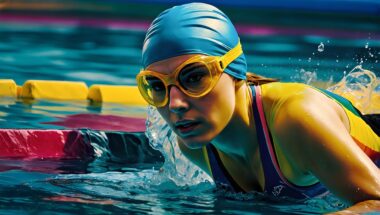
In recent years, the world of swimming has seen a significant transformation due to the advancement of technology, particularly in adaptive swimming equipment. Adaptive swimming offers individuals with disabilities the opportunity to experience the joy of swimming while promoting independence and self-confidence. Innovative technologies integrated into swimming gadgets provide personalized solutions that cater to diverse needs. These developments are crucial in enhancing the swimmer’s performance and comfortment. Swim goggles with adjustable lenses assist in improving vision for visually impaired swimmers, while adaptive fins allow for easier movement through the water. Moreover, specialized grips and flotation devices ensure safety and support during practice. Technology enhances not only performance but also safety and accessibility. Many swimming pools are also adapting to these innovations by incorporating advanced timing systems and mobility platforms. Equipment manufacturers are collaborating with athletes and experts in the field to create bespoke solutions. As technology continues to evolve, it will play an increasingly vital role in ensuring that adaptive swimming is accessible for everyone, moving beyond mere functionality to a more inclusive experience. The impact of these technologies helps foster an environment where all swimmers can thrive.
Adaptive gadgets such as smart swim watches are equipped with features that monitor heart rate, stroke technique, and lap times. Such equipment is essential, especially for swimmers who require ongoing data to track their progress. For instance, these devices can be programmed to provide real-time feedback, helping athletes refine their technique and optimize their performance. Swim aids like buoyancy belts or adjustable speed fins have been customized utilizing advanced materials that ensure durability and effectiveness. These aids are fundamental for beginners who may need extra support in the water. Customized solutions extend to underwater speakers that allow swimmers with hearing impairments to receive cues through vibrations or music. Emotional engagement is another aspect that technology facilitates, as swimmers can share their experiences through apps that connect them with a community of fellow swimmers. Additionally, these applications often provide access to resources such as training programs or swimming challenges that can enhance motivation. The integration of technology in adaptive swimming gadgets not only improves individual performance but also encourages social interaction, ultimately promoting a greater sense of belonging among participants.
Customization and Performance Improvement
Customization is one of the hallmarks of modern adaptive swimming equipment. By utilizing 3D printing technology, manufacturers can create bespoke swimsuits tailored to specific body shapes and needs. This process not only enhances comfort but also promotes better hydrodynamics, allowing swimmers to glide through the water more efficiently. Furthermore, key advancements in flexible materials ensure that these suits provide adequate support without restricting movement. Various types of swim aids, such as pull buoys and paddles, have also been designed with personalized adaptations. For example, some devices are equipped with adjustable buoyancy levels that can be modified based on the swimmer’s ability on a given day. Swimmers would thus have the autonomy to choose what best fits their training needs or competition standards. Moreover, partnering with athletes during the design phase leads to equipment that better accommodates real-world swimming conditions. The future looks promising, with continuous research driving innovations that could unlock even more possibilities. Each breakthrough signals an opportunity for swimmers with disabilities to push against previously perceived limits. As performance-enhancing technology continues to evolve, it reinforces the importance of accessibility and inclusivity in aquatic sports.
In the development of adaptive swimming technology, feedback loops are vital to improving products. Companies are increasingly seeking input from adaptive athletes to refine their equipment. Users can provide insights into the comfort, usability, and functionality of swim gadgets. This feedback is invaluable in identifying design flaws and areas for improvement within the devices. A notable example is the adjustable swim wheelchair, designed after consultation with athletes. The different adjustments enable various body types and sizes, ensuring that each swimmer remains supported while engaging in their aquatic activities. Services that facilitate easy adjustments provide additional flexibility, allowing swimmers to adapt their gadgets as their skills and needs evolve. Manufacturers are also focusing on creating environmentally-friendly materials, paralleling the rising global emphasis on sustainability. Such efforts not only contribute to the planet’s well-being but also make the equipment visually appealing, enhancing users’ experience. As technology continues to develop along these lines, it holds the potential to address both functional and aesthetic needs in adaptive swimming. Emphasizing input from users alongside cutting-edge designs creates a collaborative ecosystem for future innovations that effectively serve the diverse community of swimmers.
Safety Features and Training
Safety remains a top priority when developing adaptive swimming technology. Advanced gadgets prioritize not only the swimmer’s performance but also their wellbeing while in the water. Innovations like automatic inflatable flotation devices and personal emergency tracking systems are transforming how safety is approached. These devices can rapidly deploy buoyancy if a swimmer encounters distress, ensuring they stay afloat. Additionally, automated health monitoring gadgets track vital signs and send alerts if abnormalities are detected, thereby enhancing safety for individuals with health concerns. Training methodologies are also evolving due to the introduction of virtual reality environments. Athletes can simulate competitive swimming experiences, allowing them to condition both mentally and physically without the constraints of a pool. The interactive aspect of these training tools engages swimmers in a novel way, incorporating gamification elements that foster motivation. Swimmers can experience various aquatic conditions, preparing them for real-world challenges. As technology continues to integrate these safety and training features, swimming becomes a multifaceted experience that balances enjoyment with security. Pool operators and coaches must be proactive in adopting these innovations, as they greatly enhance the overall experience for participants.
Technology in adaptive swimming isn’t limited to performance alone; it also fosters connections among swimmers. Innovative platforms facilitate collaboration among athletes, creating networks for sharing experiences, advice, and encouragement. These platforms often include forums, social networks, or dedicated apps that help users connect based on shared interests or adaptive needs. Participants can join virtual training groups or share achievements easily, creating a sense of camaraderie within the community. Competitions are being redefined as well, with tech-driven events accommodating both adaptive and non-adaptive swimmers, enabling inclusion in competitive scenarios. Data sharing is a key component across these platforms, enabling athletes to track their progress and provide motivation to peers. Additionally, coaching services are increasingly utilizing these platforms to provide personalized training plans and feedback. This fosters a deeper relationship between coaches and athletes as they navigate their swimming journeys together. As technology serves as a bridge, it diminishes barriers that once separated swimmers based on abilities. Enhancing the sense of community realizes the potential of swimming as a universal sport, where everyone belongs and can contribute to encouraging accomplishments.
Future Innovations in Adaptive Swimming
The future of adaptive swimming technology is brimming with potential as research and development continue to advance at a rapid pace. Future innovations aim to improve not only the quality of equipment but also the overall experience for swimmers. As machine learning and artificial intelligence evolve, personalized training programs that analyze individual progress and suggest adaptations will become commonplace. These personalized applications will revolutionize how athletes approach their training regimens, leading to improved performance tailored to unique needs. Collaborative efforts will likely increase between engineers, designers, and adaptive swimmers, fostering a creative environment that births cutting-edge gadgets. Innovations in materials science may also yield lighter, more durable swimwear, significantly enhancing comfort during prolonged usage. Improved accessibility features within swimming facilities will further democratize participation, creating environments that embrace diversity. Automation in coaching support systems could analyze swimmer biomechanics in real-time, providing instantaneous feedback. This integration not only optimizes training efficiency but also ensures that athletes receive timely guidance. As technology continues to innovate, it fuels the vision of an equitable world in swimming, where the joys of the sport can be experienced by everyone, regardless of physical limitations.
In conclusion, technology is reshaping the landscape of adaptive swimming, fostering a more inclusive environment for diverse athletes. Enhanced equipment promotes not only performance improvement and safety but also significantly contributes to community connection and support. As the field continues to evolve, the integration of innovative practices and athlete-centered designs becomes crucial. Swimming technology is not a one-size-fits-all solution; rather, it’s an evolving symbiosis that actively incorporates feedback, promotes engagement, and ensures fulfillment. By nurturing collaboration among industry stakeholders, the swimming community is positioning itself to push boundaries further and achieve unprecedented heights. The ongoing dialogue about athlete needs will drive progress towards developing even more customized, effective solutions for a variety of challenges. As we gaze into the future of adaptive swimming, we can expect advancements that prioritize inclusivity, safety, and environmental consciousness. All these elements combine to create a holistic sporting experience. Emphasizing the importance of technology will enable athletes to underperform their objective goals, drive social change, and impact lives profoundly. The journey of technology in adaptive swimming just begins, promising exciting developments for aspiring swimmers.