
Aikido Basics: Understanding the Fundamental Techniques
Aikido is a unique martial art emphasizing the principles of harmony and blending. Originating from Japan, it focuses on techniques designed to use an opponent’s energy against them. Contrary to many traditional martial arts, which often prioritize strength, Aikido teaches practitioners to redirect the energy of an attack instead of meeting it head-on. This practice cultivates a deep understanding of physical movement and spatial awareness. As students begin their journey, they encounter a variety of techniques involving twists, turns, throws, and joint locks. Each technique is learned through repeated practice and feels intuitive once mastered. Aikido also encourages mental growth, contributing to emotional balance and self-discipline. Through rigorous training, students find clarity and focus, both on the mat and in life. Aikido practitioners often describe a sense of peace that comes with improved skill levels. Furthermore, Aikido fosters community, where students learn together and support each other’s growth. This collaborative environment emphasizes respect and compassion, enhancing the overall journey of learning. Aikido is not merely a physical endeavor but a lifelong pursuit of harmony and personal development.
Key Principles of Aikido
The fundamental principles of Aikido focus on blending and redirecting energy. Practitioners aim to maintain balance, not just within their own bodies, but also while responding to an opponent’s actions. One vital concept is ‘Kuzushi’, which refers to unbalancing an opponent. By leveraging their energy, an Aikido practitioner can shift the dynamics of an encounter in their favor. Another essential principle is ‘Atemi’, which involves striking to create openings during an engagement. While they may seem aggressive, these strikes are often used defensively. Understanding distance is crucial in Aikido; knowing when to engage or disengage can determine success. Students learn various stances, such as ‘Hanmi’—a triangular stance that promotes mobility and readiness. Aikido also emphasizes the importance of mental awareness. Practitioners develop the ability to assess situations, predicting an opponent’s actions. This foresight allows Aikido students to respond skillfully and effectively, fostering confidence in their abilities. These foundational concepts not only guide technical practice but also serve as metaphors for handling life’s challenges with grace. Integrating these principles into daily life cultivates resilience and mindfulness.
Aikido techniques can be categorized into several types, each serving different goals and contexts in practice. One significant category is ‘Nage-waza’, which consists of throwing techniques designed to off-balance opponents. These throws can vary widely in style, encompassing circular and linear motions. Practitioners learn to exploit their opponent’s movements to achieve effective throws, often appearing effortless. Another central category is ‘Katame-waza’, focusing on joint-lock techniques that immobilize an opponent without causing significant harm. This category emphasizes control and precision, allowing practitioners to neutralize aggressive actions. Additionally, ‘Atemi-waza’ involves striking techniques, providing distractions or openings to facilitate other techniques. The use of strikes not only generates energy but also creates moments for decisive action. As students continue their practice, they integrate these techniques into fluid combinations. Aikido’s approach fosters adaptability, encouraging practitioners to respond dynamically based on their partner’s movements. The seamless integration of these techniques requires patience and dedicated training, where repetition leads to mastery. Mastery, in turn, inspires further exploration of the art, encouraging students to refine their own unique expression of Aikido.
Aikido as a Path to Personal Development
Beyond physical techniques, Aikido provides a platform for personal development and self-discovery. The practice fosters a deep sense of awareness, both physically and mentally, encouraging practitioners to confront their limitations and fears. Through regular training, individuals cultivate patience, perseverance, and humility. Each session on the mat presents an opportunity to learn from failures and successes, fostering growth beyond the dojo. The emphasis on non-resistance creates a mindset of acceptance, essential for managing life’s challenges. Aikido teaches the importance of remaining calm under pressure, which is invaluable in both martial arts and daily life. Practitioners learn to approach complexities with a clear mind, allowing for effective decision-making. Furthermore, the ethical teachings of Aikido emphasize respect and compassion toward others. This philosophy extends beyond combat, permeating all interactions in life. Students are encouraged to treat opponents as partners, highlighting the importance of empathy and understanding. This shift in perspective can lead to healthier relationships and improved emotional well-being. Ultimately, Aikido represents a holistic journey, integrating physical, mental, and emotional aspects into a fulfilling martial art.
Aikido training typically occurs in a dojo, where practitioners engage in regular classes under the guidance of experienced instructors. Classes might begin with a warm-up to prepare the body through stretching and movement exercises. Following the initial warm-up, students practice basic techniques in pairs, focusing on body mechanics and timing. Throughout the training, instructors often emphasize the significance of form and precision. Correct technique is critical for safety and efficacy, particularly in joint-lock or throwing techniques. Students gradually progress through various levels, earning belts as they demonstrate proficiency. Each belt represents not only skill but also dedication to training. As students advance, they learn more complex techniques and engage in sparring or partner drills, enhancing their understanding of timing and distance. This engaging aspect of training promotes camaraderie among practitioners, forming a supportive learning environment. Aikido training encourages self-reflection, where students assess their strengths and areas for improvement. This journey drives practitioners to remain committed to their progress, fostering a culture of growth and collective respect. The dojo environment reflects Aikido’s core values, encouraging a vibrant community centered around shared learning.
Preparing for Aikido Practice
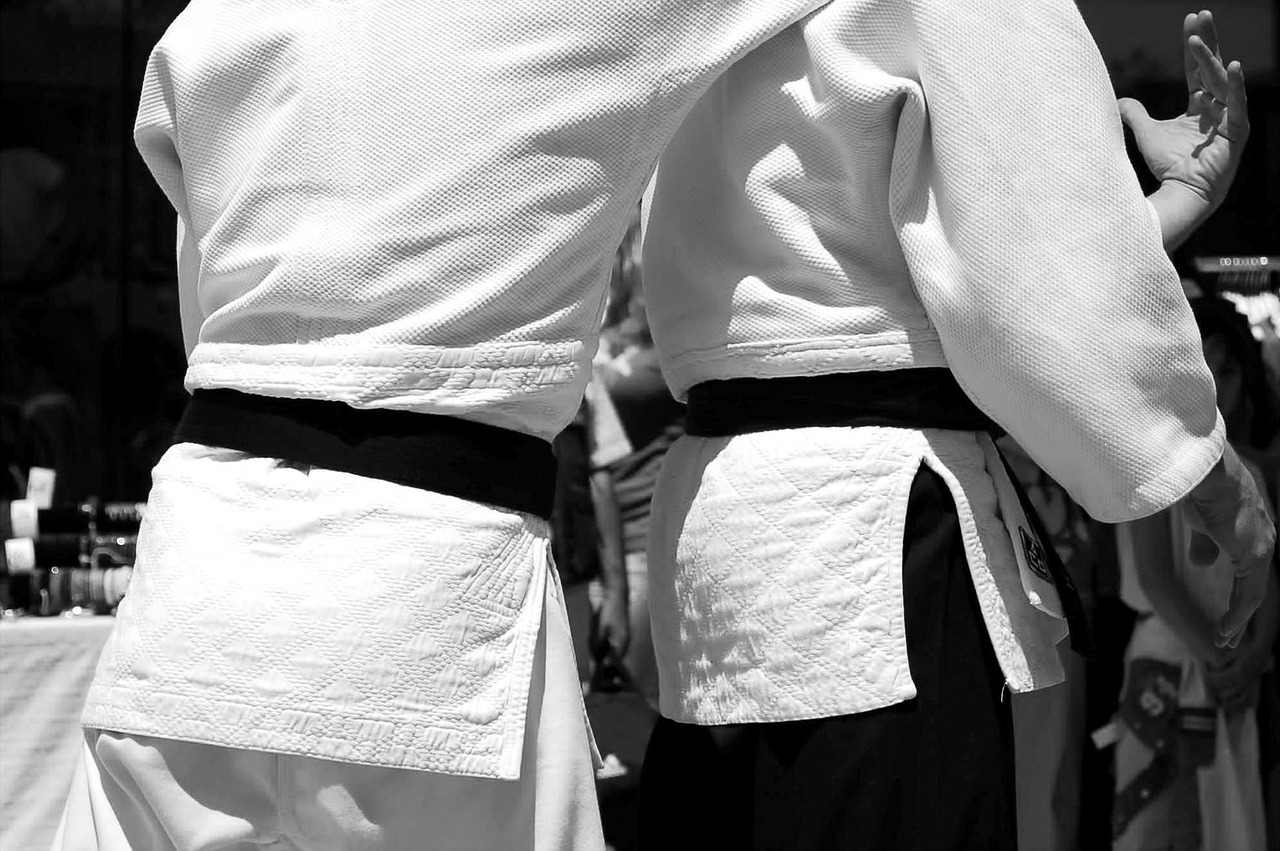
Before stepping onto the mat for Aikido practice, proper preparation is key to a successful experience. Dressing appropriately in a gi, the traditional uniform, is essential as it allows for unrestricted movement. The gi signifies respect for the dojo and the practice itself. Practitioners should also ensure they are physically ready, both through regular exercise and mental preparation. Staying hydrated and well-nourished contributes to enhanced performance during training sessions. Mental readiness involves establishing a focus on learning and practice, which can be supported by taking a few moments for meditation or breathing exercises. Arriving early provides an opportunity to mentally acclimate to the environment and socialize with fellow practitioners. This camaraderie contributes positively to the learning atmosphere. Maintaining a respectful demeanor is vital, as Aikido emphasizes mutual respect among students and instructors. Upon entering the dojo, bowing expresses gratitude and acknowledgment of the process. Practicing mindfulness during training facilitates deeper learning and greater awareness of one’s movements, aiding both physical performance and mental clarity. Each session presents a fresh opportunity to deepen understanding and commitment to the art of Aikido.
Aikido offers numerous benefits that extend beyond the techniques learned on the mat. Practitioners often experience significant improvements in physical fitness, coordination, and flexibility due to rigorous training. The dynamic movements involved in Aikido challenge the body, leading to enhanced cardiovascular health and muscle tone. Mentally, Aikido encourages clarity and concentration, with the focus on movement and response sharpening cognitive skills. This increase in mental acuity translates into better decision-making and focus in daily life. Furthermore, Aikido’s undisciplined nature challenges practitioners to confront anxiety and fears, leading to substantial personal growth. The respect and empathy promoted within the Aikido community foster meaningful connections, resulting in an enriching social aspect. As students train together, they develop lasting friendships rooted in shared experiences. This network of support encourages continuous learning and goal achievement. The combination of physical, mental, and emotional benefits positions Aikido as not only a martial art but a comprehensive lifestyle. Ultimately, Aikido’s principles can guide individuals through life’s challenges, leading to resilience and harmonious living. Engaging with Aikido promotes a holistic approach to well-being and growth, emphasizing the importance of balance in all facets of life.
Conclusion: Embracing Aikido
As Aikido practitioners engage with the art, they cultivate valuable skills and insights that apply to countless aspects of life. Beyond self-defense, Aikido teaches the importance of harmony and understanding in interactions with others. The journey is not solely about learning techniques; it’s about personal growth, connection, and exploration of one’s own potential. As students deepen their practice, they experience increasingly profound transformations, from physical skills to emotional intelligence. Embracing this martial art provides the tools to navigate life’s complexities with grace. Each class offers opportunities to learn and refine both technique and mindset, ultimately enriching the practitioner’s life experience. The values of respect, diligence, and compassion cultivate a sense of community, making Aikido a shared pursuit filled with support and encouragement. Practitioners also gain a better understanding of themselves through the discipline of training, promoting greater self-awareness and confidence. Aikido is not just a hobby; it’s a lifelong journey of discovery that inspires individuals to push past boundaries. Ultimately, Aikido embodies a philosophy that goes beyond the mat, having the potential to influence positive change in everyday life. Embracing Aikido is embracing a way of life.