
How Cross-Training Enhances Endurance for OCR Athletes
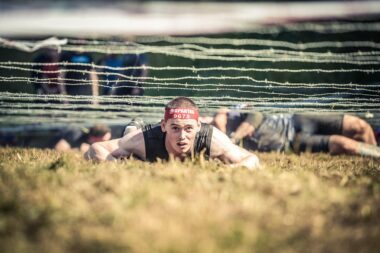
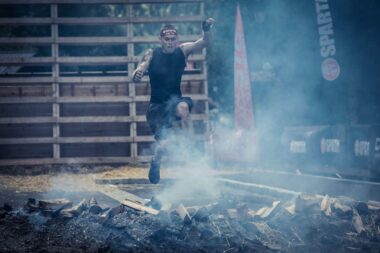
Obstacle Course Racing (OCR) poses unique challenges that require a diverse set of physical skills and endurance. Enhancing endurance specifically for OCR athletes increases the effectiveness of their training and prepares them for varied terrain and obstacles. Cross-training focuses on diverse training modalities, which promotes better conditioning and injury prevention. Athletes engaged in cross-training can enjoy the benefits of improved cardiovascular health, muscular strength, and overall agility. This multi-dimensional approach allows them to tackle running, climbing, and crawling challenges effectively. Incorporating a range of activities such as swimming, cycling, and weight lifting can lead to significant performance improvements. Increasing cardiovascular stamina through cross-training will assist athletes during extended competitions, yielding better results. Furthermore, this diversified regimen often combats workout monotony while promoting engagement and excitement, combating burnout. It also trains the body to adapt to different stresses, enhancing resilience against fatigue during races. Athletes should focus on integrating various training techniques for optimal growth and success in OCR events, allowing them to soar over obstacles easily and with confidence.
The Importance of Strength Training
For OCR athletes, strength training plays a pivotal role in enhancing endurance while improving overall performance. Cross-training typically includes strength-building exercises that boost muscle capabilities. This means that by improving strength levels in upper and lower body muscles, OCR athletes have a significant advantage in lifting heavy objects and climbing over high walls. Engaging in functional strength training exercises like squats, push-ups, and pull-ups can develop necessary muscle groups applicable to obstacle racing. By focusing on building core stability and strength, athletes can improve their overall agility and balance, critical for navigating obstacles efficiently. Moreover, proper strength training aids in injury prevention by stabilizing joints and ensuring appropriate muscle utilization during demanding activities, crucial for OCR success. With greater strength, athletes also experience improved explosiveness, enabling them to tackle hurdles confidently and rapidly. Consequently, by committing to a structured cross-training program that emphasizes strength training, OCR racers can reliably expect improved endurance and performance. For optimal gains, athletes should consult training professionals to develop a tailored strength regimen that complements their endurance goals effectively.
Enhanced Flexibility Through Cross-Training
Flexibility is a crucial aspect of training for OCR athletes as it promotes better movement and efficiency during races. Integrating cross-training techniques that emphasize stretching and mobility drills positively impacts an athlete’s overall performance. Practicing yoga, Pilates, or dynamic stretching routines enhances muscle elasticity. These methods enable OCR participants to maintain fluid movement while navigating challenges on the course. Improved flexibility reduces the risk of injury significantly, allowing athletes to perform at higher levels without encountering setbacks. Furthermore, a flexible body aids in recovering faster from strenuous workouts, crucial for maintaining effective training schedules. Thus, OCR athletes who prioritize flexibility training within their cross-training routines experience reduced muscle soreness and improved range of motion. This enhancement is vital for the various movements required in races, such as jumping between obstacles or crawling through tough terrains. Athletes should integrate stretching before and after workouts to maintain flexibility and bolster their performance. With regular flexibility training, surmounting obstacles and pushing through the most demanding courses becomes more achievable and enjoyable for athletes at every competency level.
Nutrition is vital for those engaging in cross-training, especially for OCR athletes looking to enhance endurance and performance. A balanced diet that supports energy levels during training and racing, packed with appropriate macronutrients, ensures athletes can consistently train harder and recover efficiently. Incorporating whole foods rich in carbohydrates, proteins, fruits and vegetables supports overall health while optimizing performance. Hydration is also a critical aspect of OCR nutrition; monitoring fluid intake during workouts prevents dehydration and vitalizes endurance. Many athletes benefit from meal prepping, ensuring they consume the right balance of nutrients before engaging in rigorous training and racing environments. Timing meals around workouts can also offer an advantage, fueling high-performance phases while promoting recovery afterward. It ensures sustained energy throughout long runs or challenging exercises, leading to enhanced training outcomes. Moreover, tailored nutritional supplements may play a role in supporting energy needs, recovery, and overall wellness. Contacting a sports nutritionist is advisable to create a personalized plan that aligns with specific athletic goals while addressing unique dietary needs. Nutrition and cross-training complement one another and significantly boost overall athletic performance.
Incorporating mental conditioning into cross-training routines is equally important for OCR athletes. Endurance and performance aren’t solely about physical strength; a sharp mental focus can drastically enhance outcomes. Training the mind involves techniques like visualization, mindfulness, and positive self-talk. Encouraging a winning mindset prepares athletes for racing challenges that they might face on course. Visualization allows athletes to rehearse successful movements and strategies, helping to solidify their skills and increase confidence. Practicing mindfulness techniques reduces anxiety and stress, helping athletes remain calm and focused during challenging environments. Moreover, fostering a positive inner dialogue boosts overall motivation and goal setting. Athletes who dedicate time to improving mental fortitude often notice resilience against the inevitable challenges that arise during rigorous training sessions and competitive events. Athletes are encouraged to build a balanced training regimen that includes mental exercises alongside physical workouts to achieve optimal results. Incorporating mental conditioning will not only enhance performance but also improve teamwork and camaraderie among competitors. With a solid mental approach, OCR athletes can confidently face adversities on the racing course.
Adopting specific recovery practices within cross-training routines significantly enhances endurance for OCR athletes. Recovery is essential to allow the body to rebuild and adapt to stresses resulting from training. Inadequate recovery can lead to injury, fatigue, and stagnation in performance. Incorporating active recovery days, which involve low-intensity workouts, aids in maintaining fitness while allowing muscle recovery. Techniques such as foam rolling and massage therapy promote blood circulation, loosening tight muscles and enhancing mobility. Furthermore, prioritizing rest and sleep is crucial for recovery; these allow the body to repair itself while recharging physically and mentally, helping athletes regain vigor for subsequent workouts. Nutrition also plays a vital role during recovery; consuming post-workout meals rich in protein and carbohydrates will effectively replenish energy stores and promote muscle repair. Hydration should not be overlooked—drinking adequate amounts of fluids ensures that athletes maintain optimal performance levels. Integrating these recovery strategies into cross-training can spell the difference between reaching peak form and experiencing a plateau. Athletes must develop a recovery plan that complements their training for optimal endurance enhancement during OCR competitions.
To summarize, the multifaceted approach of cross-training is instrumental in enhancing endurance for OCR athletes. Engaging in diverse workout strategies helps develop various skills essential for success on challenging urban or nature courses. From strength and flexibility to mental conditioning, cross-training supports well-rounded athletic growth. Athletes should prioritize developing tailored fitness programs that encompass these aspects, ensuring they remain both prepared and versatile in facing the demands of OCR events. Incorporating strength workouts, flexibility routines, mental conditioning, nutrition support, and proper recovery practices will yield long-term benefits. OCR athletes who consistently embrace this holistic cross-training strategy are likely to outperform competitors who focus solely on traditional training methods. As obstacle course racing continues to evolve in popularity, establishing a robust cross-training regimen becomes indispensable in achieving peak performance. By enhancing endurance through cross-training, OCR athletes can find greater enjoyment, realization, and success in their race experiences. Understanding the significance of cross-training can pave the way for remarkable results and a fulfilling athletic journey.