
How Global Parkour Communities Support Mental Health Awareness
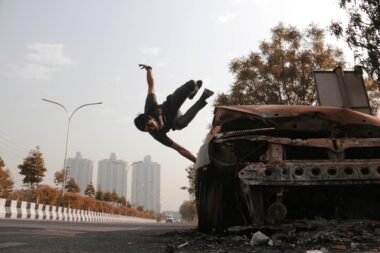
Parkour, known for its acrobatic moves and ability to maneuver through urban landscapes, has evolved into a powerful community that advocates for mental health awareness. In various parts of the world, parkour communities have emerged as safe spaces for all individuals, especially those struggling with mental health issues. By practicing parkour, participants can develop not just physical skills but also critical emotional resilience. This activity encourages individuals to face fears directly, boosting confidence and self-esteem. Moreover, the community aspect fosters social connections, helping to combat feelings of isolation that often accompany mental health challenges. Parkour practitioners share their experiences and support each other, creating an environment where everyone feels valued. In this way, parkour transcends mere physical activity and becomes a transformative tool for mental wellness. By emphasizing teamwork, positivity, and encouragement, the sport cultivates an environment that nurtures mental health awareness. Regular training sessions and events promote not only fitness but also conversations surrounding mental health, normalizing the dialogue. Thus, global parkour communities serve as a vital network for individuals seeking refuge from their daily struggles and a path towards enhanced well-being.
The Therapeutic Aspects of Parkour
Engaging in parkour offers numerous therapeutic benefits for mental health. Parkour encourages participants to engage in physical activity, which has been widely recognized for its positive impact on mental health. This form of exercise releases endorphins, the body’s natural mood lifters, reducing anxiety and providing a sense of euphoria. Additionally, parkour pushes individuals to confront fears and obstacles in a controlled environment. Learning to navigate these challenges builds resilience, a core component in managing mental health issues. The progressive nature of parkour allows practitioners to set personal goals, promoting accountability and motivation. Furthermore, as individuals successfully master skills and techniques, they experience a sense of achievement that boosts self-confidence. Parkour sessions often involve group dynamics, fostering teamwork and camaraderie through shared experiences. These friendships provide an essential support system, particularly for those dealing with issues like depression and social anxiety. Communities often host workshops and discussion panels focused on mental health, extending the positive impacts of the sport well beyond physical activity. Emphasizing both mental and physical health creates holistic benefits, allowing parkour to act as a channel for therapeutic expression and personal growth.
Creating awareness about mental health within the parkour community is essential for fostering an empathetic atmosphere. Various organizations have emerged to promote mental health resources alongside parkour training. By aligning these two focuses, communities ensure that members can access support when needed. Workshops and training sessions often integrate discussions on mental health, equipping participants with knowledge and tools for self-care. The integration of mental health education into parkour helps dismantle stigma, normalizing the conversation around mental struggles. This dual focus empowers practitioners to take charge of their mental well-being. When community members share personal experiences related to mental health, it fosters an environment of vulnerability and connection, enabling shared healing experiences. Social media also plays a pivotal role in spreading mental health awareness within the parkour community. Through platforms like Instagram and Facebook, athletes showcase their journeys, incorporating topics on mental health, self-acceptance, and resilience. Additionally, they can raise funds for mental health charities, directly impacting the wellbeing of others. By showcasing how the parkour community supports mental health awareness, we contribute positively to ongoing conversations around this crucial topic, emphasizing the importance of caring for one another both on and off the training grounds.
Furthermore, parkour encourages outdoor movement, connecting practitioners with nature, which can significantly enhance mental health. Nature is known for its calming effects and ability to reduce stress and anxiety. Engaging in physical activities like parkour outdoors allows participants to combine the benefits of exercise with the therapeutic aspects of being in nature. This connection encourages mindfulness, as athletes focus on their surroundings while executing movements. Practicing parkour in natural settings helps reduce negative thoughts and increases feelings of well-being. Global parkour communities often organize outings and urban exploration events, providing opportunities for individuals to connect with their environment while engaging in parkour. This interaction nurtures a sense of belonging and unity among practitioners. Moreover, outdoor activities allow individuals to disconnect from technology and distractions, offering a much-needed break from daily pressures. The blend of physical exertion, communal engagement, and nature leads to comprehensive mental health benefits, enhancing coping mechanisms. Emphasizing the importance of outdoor practice, global parkour communities can serve as a powerful catalyst for improvement and awareness around mental health, inspiring individuals to embrace nature alongside their training.
Building Stronger Connections through Parkour
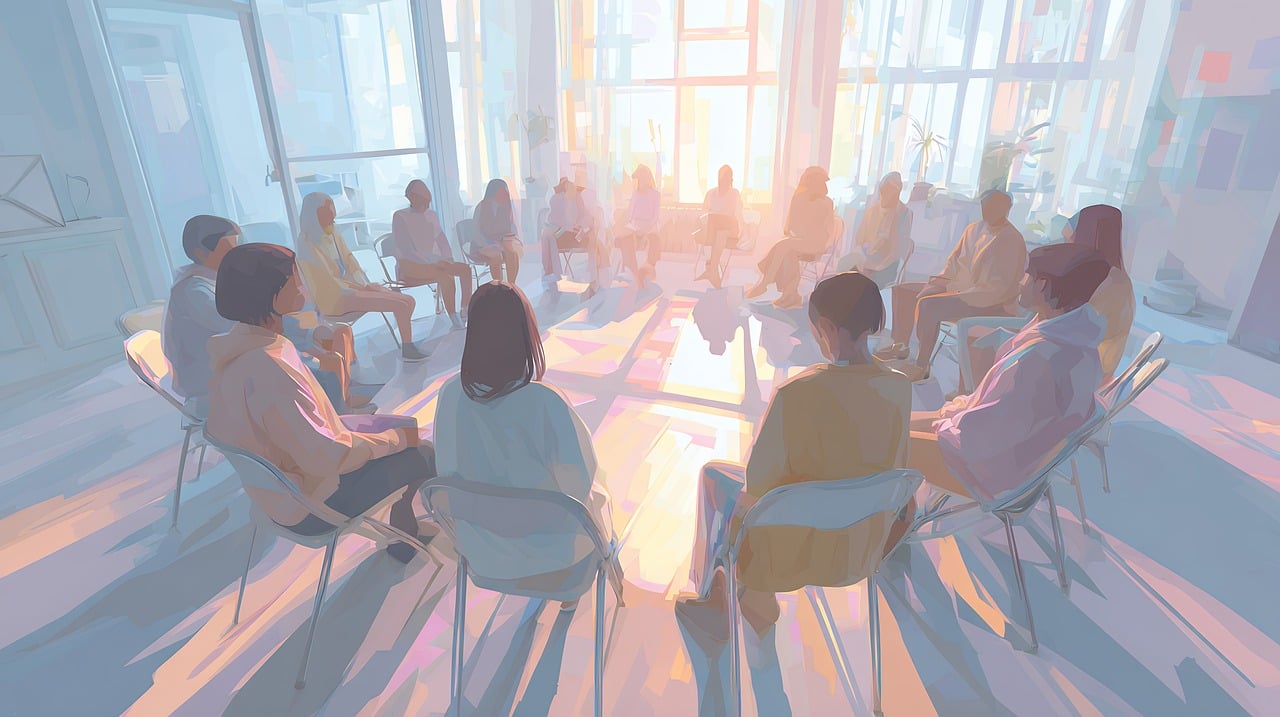
Community events and gatherings in parkour not only strengthen relationships among participants but also create supportive environments for discussing mental health. Connection is essential for emotional well-being, and parkour provides that through shared experiences and challenges. As practitioners train together, they naturally form bonds rooted in mutual understanding and collaboration, promoting trust among individuals. This sense of community becomes particularly important during mental health crises, as members can lean on one another for support. Parkour clubs frequently organize mental health awareness days, combining workshops with training sessions to educate members. These events highlight the importance of resilience and use movement as a form of expression. Participants are encouraged to speak openly about their challenges and feelings during these interactions, allowing for the sharing of coping strategies that work for different individuals. Additionally, mentorship programs cultivate strong relationships, pairing experienced practitioners with newcomers. This program acts as a lifeline for many, enabling those struggling with mental health to receive guidance and support. Connecting through mentorship also offers role models for younger practitioners to aspire to, enhancing both self-esteem and social engagement.
The role of parkour in promoting mental health extends beyond the training grounds, influencing various aspects of members’ lives. As participants gain confidence through their physical practice, they often carry these newfound skills into their daily interactions. It fosters improved communication skills, patience, and emotional regulation, which are essential for maintaining mental health. For many, parkour becomes a reflection of their personal journey, with setbacks and triumphs integrated into their lives. The growth experienced within the sport encourages individuals to tackle personal challenges outside of training. Furthermore, the sense of achievement within parkour translates to resilience when facing life’s challenges. This newfound resilience strengthens one’s ability to navigate everyday stressors. Global parkour communities often provide tools and strategies to help members tackle the various challenges they face, ensuring a well-rounded approach to mental health. Individuals learn to prioritize self-care while embracing vulnerability, thereby encouraging more conversations surrounding personal well-being. By underpinning the importance of emotional literacy and mental wellness alongside physical activity, parkour acts as a vital resource for achieving holistic health and a supportive global network.
In conclusion, the integration of mental health awareness within global parkour communities highlights the transformative power of movement and connection. Parkour serves as an accessible platform for individuals to engage in physical activity, cultivate resilience, and strengthen interpersonal relationships. As global communities continue to promote mental health initiatives, they set a precedent for other sports and organizations. The positive effects of parkour extend beyond physical fitness, fostering conversations around mental well-being. As more practitioners embrace vulnerability, the parkour community emerges as a safe haven for individuals navigating mental health struggles. By sharing personal experiences through social media, events, and workshops, they contribute to a broader conversation that champions mental health awareness. Efforts to connect with nature and the outdoors enhance this experience, providing additional therapeutic benefits. Global parkour communities inspire individuals to embark on their journey towards improved mental health and well-being. The impact these communities have on their members underscores the importance of support and understanding in addressing mental health challenges. Overall, parkour communities represent a cohesive force for positive change, creating opportunities for connection, understanding, and wellness across the globe.
As the global parkour movement continues to grow, so too does its potential for positively impacting mental health awareness. By fostering inclusive environments, practitioners help break down barriers surrounding mental health discussions. This sense of empowerment creates spaces where individuals feel safe to share their journeys. Collectively, the global parkour community exemplifies the importance of advocating for mental well-being, encouraging ongoing dialogue and innovation. The drive towards mental health advocacy and support systems stands to benefit not just parkour practitioners, but those beyond the sport. Continued grassroots initiatives and awareness campaigns play a pivotal role in driving change and supporting mental health resources. Learning how to navigate life’s challenges through movement influences personal growth and resilience for participants. This connection between parkour and mental health enhances the quality of life for many, demonstrating that movement can be a powerful tool for emotional expression. By showing solidarity and understanding, practitioners can uplift one another amidst challenges. The future of parkour as a movement focused on mental health awareness remains bright as communities unite to create systemic change. Ultimately, through collaboration, knowledge sharing, and empathy, global parkour communities will foster environments where mental health awareness thrives.