
Understanding Functional Training for Beginners
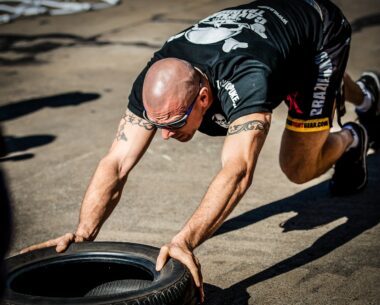
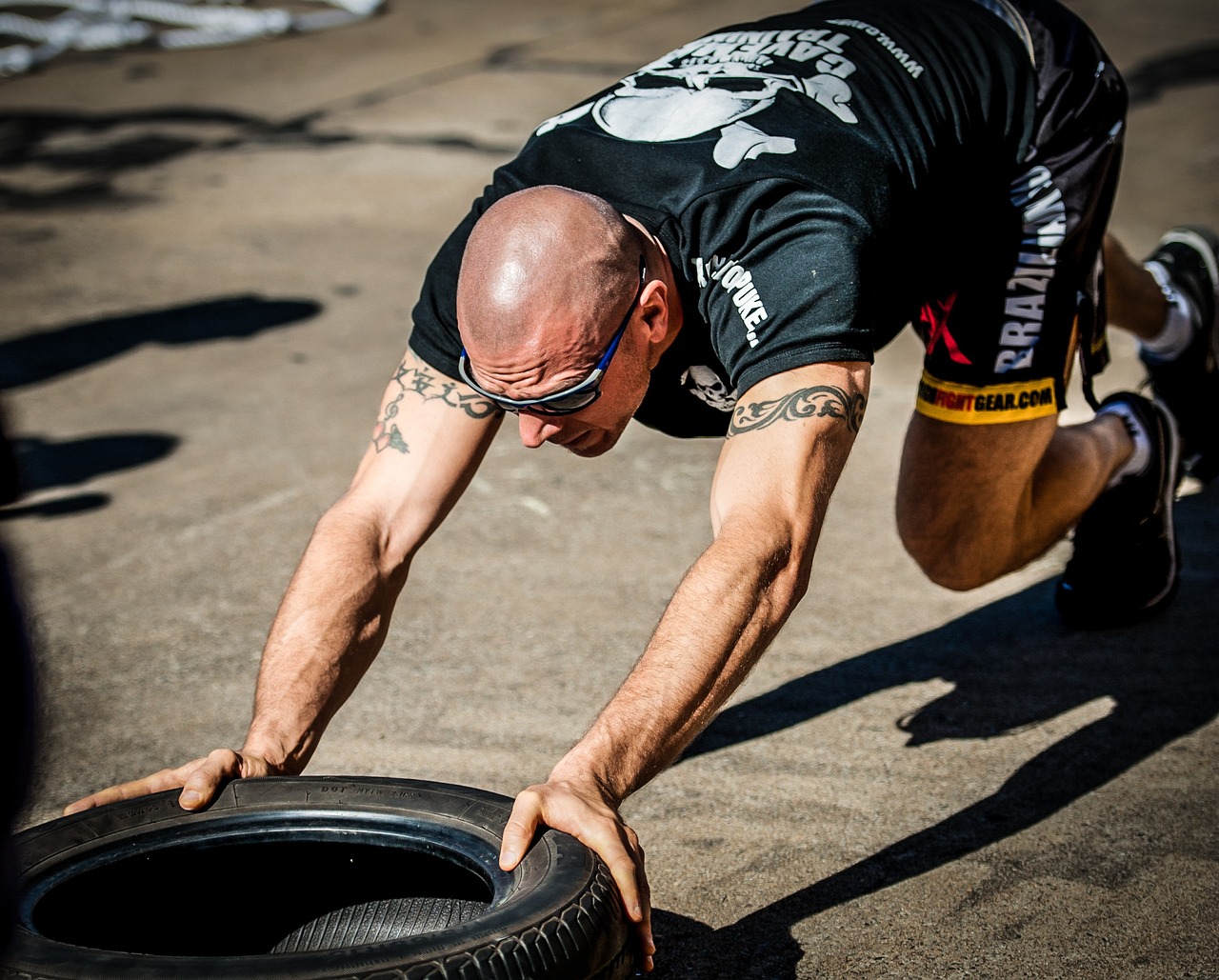
Functional training is an innovative approach to exercise that focuses on improving real-world movements and physical activities. For beginners, understanding this concept is essential. The goal of functional training is to enhance daily life skills through strength, balance, flexibility, and coordination exercises. The training typically incorporates multi-joint movements that mimic everyday activities, such as squats, lunges, and push-ups. Beginners should start with simple exercises that require little to no equipment, gradually progressing to more complex routines. It’s essential to listen to your body, as proper form is crucial to avoid injury. Utilize resources such as videos and articles to familiarize yourself with the exercises. Start by mastering bodyweight workouts before adding resistance. It’s also advisable to consult with a qualified personal trainer who specializes in functional fitness. They can customize a workout plan tailored to your needs, ensuring that you build a solid foundation before advancing. Motivation is key, so consider working out with a buddy to stay accountable. Overall, functional training for beginners emphasizes building strength for everyday activities.
Essential Equipment for Beginners
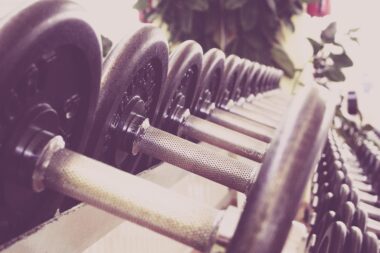
When starting functional training, it helps to have basic equipment to support your workouts. The essentials include resistance bands, stability balls, and dumbbells. Resistance bands are excellent for beginners as they provide adjustable resistance levels, allowing for gradual progression in strength training. They are also portable and versatile, suitable for various exercises. Stability balls can significantly enhance core stability and coordination; they add an element of challenge while allowing for low-impact movements. Dumbbells are important for building muscle strength and can be used for various exercises. Start with lighter weights to ensure you master proper form before increasing resistance. Incorporate items like yoga mats for comfort during floor exercises and kettlebells for dynamic movements to enhance strength and flexibility. Additionally, investing in a foam roller can help with muscle recovery and prevention of soreness post-workout. As you progress, consider more specialized Functional training tools, such as balance boards, to enhance coordination and balance. They add variety to routines, keeping workouts engaging, ensuring you stay motivated and committed to your fitness journey.
Modifying Exercises for Individual Needs
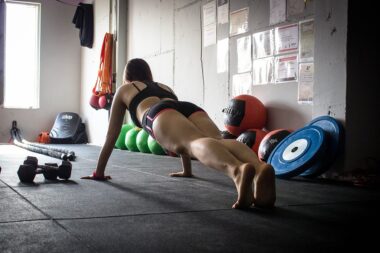
Modification of exercises is vital in functional training, particularly for beginners. Everyone’s fitness level varies, so tailoring exercises to individual needs ensures safety and effectiveness. Start with simpler variations of traditional exercises to gradually build strength and confidence. For example, performing wall push-ups instead of standard push-ups can help beginners build upper body strength without risking injury. When doing squats, chair squats can provide necessary support. This allows you to focus on your form without the fear of falling. Adjusting range of motion is another effective modification; beginners can perform partial movements before attempting full-range exercises. Avoid comparing yourself with more experienced individuals; progress is personal. Another way to modify is by using equipment for support, such as performing step-ups on a lower platform. It’s essential to have a clear understanding of your body’s limitations and communicate with your trainer if you work with one. Emphasizing quality over quantity in your exercises will help avoid injury, ensuring you develop strength effectively and sustainably. Commit to gradual progress to enjoy the journey into functional fitness.
Incorporating Recovery Techniques
Recovery is a critical component of any functional training program, especially for beginners. It allows the body to heal and rebuild itself after workouts, preventing burnout and injuries. Beginners should prioritize rest days to let muscles recover adequately. Active recovery activities, such as gentle walking or stretching, can help maintain circulation and flexibility. Foam rolling is an effective technique for alleviating tension and soreness in muscles after workouts, promoting faster recovery. Consider adding yoga sessions to your routine as they can enhance flexibility and core strength, which is beneficial for functional training. Hydration plays a vital role in recovery; drinking sufficient water helps flush toxins out of the body. Furthermore, nutrition cannot be overlooked – consuming a balanced diet rich in macronutrients supports muscle repair and growth. Prioritize protein intake to assist muscle recovery after functional workouts. Listening to your body is crucial; pay attention to any signs of fatigue or overtraining. If persistent pain occurs, consult a healthcare professional. Establishing a balanced approach between training and recovery can lead to satisfying and successful functional fitness gains.
Setting realistic goals is integral to any fitness journey, especially for beginners involved in functional training. Start by identifying your specific aspirations. Do you want to enhance strength, improve balance, or increase endurance? Define measurable and achievable goals, such as completing a certain number of squats in a set time frame. Break larger goals into smaller milestones, allowing you to celebrate progress along the way. Utilize SMART criteria for goal-setting: Specific, Measurable, Achievable, Relevant, and Time-bound; this enhances focus. Keeping a workout journal can motivate and track your progress consistently. Celebrate small victories, like an increase in your strength or improved balance. It fuels motivation and helps you remain committed. Regularly reassess your goals to adapt them based on your progress or challenges you may encounter. Seek guidance from trainers who can provide insights on effective strategies to achieve your targets. Goals should remain flexible yet targeted to ensure continued progress. Community support through fitness classes or groups can also enhance accountability, making your functional training journey more enjoyable.
Consistency is the bedrock of success, especially when engaging in functional training for beginners. To cultivate a sustainable routine, schedule workouts into your calendar as you would for any important appointment. Set realistic and attainable frequency goals, aiming for at least three sessions weekly. Establishing a consistent time and environment helps in establishing a solid habit, turning exercise into a priority rather than an option. Commitment to a regimen does not mean doing the same workout repeatedly; variety is key to maintaining interest and engagement. Rotate between strength, flexibility, and balance exercises to prevent boredom and stimulate different muscle groups. Additionally, consider setting a specific duration for your workouts; short, focused sessions can often be just as effective as longer ones. Adjust the intensity level according to your energy, as listening to your body is vital. Incorporating enjoyable activities or classes will keep your training meaningful and enjoyable. Sharing your journey with friends or family can also motivate you to remain consistent. Tracking progress reinforces motivation, celebrating small achievements along the way.
In conclusion, functional training offers beginners an effective pathway to improve physical fitness that translates into real-life benefits. Modification of exercises, recovery techniques, and goal-setting are crucial factors in ensuring a successful journey. Adapting exercises to individual needs helps build confidence, while proper recovery techniques allow for muscle healing. Consistency is essential; work towards scheduling regular workouts and remain accountable. Utilize community support or check-in with trainers to enhance your experience and provide motivation. A balanced approach to training, including strength, flexibility, and endurance, will foster a well-rounded fitness journey. Functional training has endless benefits, promoting efficiency in everyday tasks by enhancing strength and coordination. The commitment to change comes from within; prioritize your health and fitness journey. Consider documenting your journey to visualize progress. Enjoy the process, engage in various activities, and keep your workouts exciting. Remember, the goal is improved quality of life through movement, enjoyment, and growth. Positively embracing functional training will enrich your lifestyle. Let your journey begin!
Safety Tips for Beginners
Engaging in a new workout routine can be intimidating, so putting safety first is paramount. For beginners in functional training, always prioritize warm-ups to prepare your body for exercise. The likelihood of injury can decrease tremendously with adequate preparation. Incorporate dynamic stretches to enhance mobility and activate key muscle groups before diving into your workout. Adapt exercises based on your fitness level, and don’t shy away from seeking guidance from trainers, especially on form and technique. Focus on controlled movements to minimize the risk of injuries. Ensure your workout environment is safe: working on a flat surface, devoid of clutter, is essential. Wearing appropriate footwear will provide necessary support during activities. Hydration cannot be overlooked as it aids in optimizing performance while exercising. Be mindful of how you feel throughout your sessions; if you experience persistent pain or discomfort, it’s crucial to cease the activity and consult a health professional. Listening to your body leads to safer practices. Retaining a positive mindset, focusing on gradual improvements rather than perfection, allows for an enjoyable journey into functional fitness.