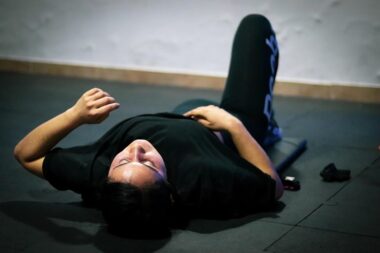

How to Motivate Seniors to Engage in Core Strength Exercises
Core strength exercises play a crucial role in maintaining the mobility and overall health of seniors. However, motivating them to participate can be challenging. One effective strategy is to create a supportive environment that fosters encouragement and companionship. Consider organizing group classes where seniors can engage in core strengthening activities while socializing with their peers. This not only provides motivation through social interaction but also builds a sense of community and belonging among participants. Furthermore, leveraging technology can enhance their experience. Introduce fitness apps that track progress and set achievable goals, which adds a fun and competitive element to their workouts. To keep motivation high, it’s essential to celebrate small victories and progress along the way. When seniors see improvements in their strength, flexibility, and balance, they’ll be more inclined to continue exercising. Pairing exercises with enjoyable activities, such as music or lighthearted games, can also maintain interest and engagement. Finally, communicating the health benefits of core exercises helps remind seniors of their importance, which can encourage consistent participation and improve their quality of life.
Understanding the unique limitations and concerns of seniors is vital for effective motivation. Seniors might feel hesitant to engage in physical activities due to fears of injury or lack of confidence in their abilities. Addressing these concerns upfront can help create a compassionate environment. It’s essential to emphasize that core exercises can be tailored to individual capabilities, ensuring safety and effectiveness. Incorporate low-impact modifications that allow seniors to gradually build strength without risking injury. Moreover, educating them about the benefits of core strength, including improved balance and reduced fall risk, can spark interest in participation. Share success stories of other seniors who have benefited from core training as inspiration. This presentation of relatable role models helps demystify exercise routines and makes them feel achievable. Additionally, encouraging seniors to involve family members or caregivers in their workouts can provide extra motivation and accountability. Family support fosters a positive attitude toward exercise and creates bonding experiences through shared activities. Over time, these changes can lead to enhanced enthusiasm for core strength exercises and long-term commitment to a healthier lifestyle.
Creating a Structured Fitness Program
A structured fitness program can provide seniors with clarity and consistency in their exercise routines. Establishing a set schedule for core training sessions ensures seniors know when to expect their workouts. These dedicated times can help create a habit, making it easier for them to prioritize their health. It’s also essential to set realistic and achievable goals tailored to individual fitness levels. Small, gradual progress encourages seniors to remain motivated as they can visualize their improvements. Offering a variety of exercises that target core muscles, such as seated leg lifts and modified planks, keeps the routine fresh and exciting. Consider incorporating new equipment, like stability balls or resistance bands, to add variety and challenge. Make sure to demonstrate the proper techniques to prevent injuries, ensuring safety remains a top priority. Furthermore, consider having a fitness coach or instructor who specializes in working with seniors lead these sessions, as their guidance can enhance confidence and motivation. Regular assessment of seniors’ progress will also allow for adjustments to the program, maintaining engagement and encouraging continued growth for their core strength.
Incorporating fun elements into core training can dramatically enhance seniors’ motivation levels. Consider organizing themed workout sessions, where exercises align with specific music or holidays. For instance, a ‘Dance Party’ core workout featuring songs from their youth can create excitement and nostalgia. Group challenges can also foster a sense of unity and competition, encouraging a fun atmosphere. Simple tasks, like who can hold a plank the longest or complete the most seated twists, can stimulate friendly competition. Gamifying core exercises can mean turning workouts into an engaging form of play. Introducing prizes or recognition for achievements can further motivate participation and effort. Evaluating fitness progress through light-hearted contests can create a supportive environment where seniors cheer each other on. Furthermore, incorporating light-hearted trivia or educational segments related to health benefits during breaks can empower seniors with knowledge, enhancing their engagement during workouts. This combination of fun and education creates not only a physically stimulating environment but also fosters social connections, making the overall experience more enjoyable for seniors.
Utilizing Technology for Engagement
Technology is an incredibly valuable tool in motivating seniors to engage in core strength exercises. Many seniors are increasingly open to adopting technology to support their fitness goals. Virtual classes, offered through video conferencing platforms, allow seniors to interact with trainers and peers from the comfort of their homes. This accessibility can significantly boost their engagement levels. Additionally, fitness trackers and wearables can provide valuable insights into their activities and progress. Encourage seniors to use these devices, which can add motivation through goal setting and achievement recognition. Create shared challenges among participants whereby they can track their progress together, fostering a sense of community. Supplementing these initiatives with online resources—such as workout videos and instructional materials—can enhance their understanding of core exercises. Providing these resources ensures that seniors know how to perform exercises correctly and safely. Moreover, online forums or social media groups can serve as platforms for seniors to share experiences, tips, and encouragement with one another. This sense of belonging reinforces positive habits and solidifies their motivation to engage in core strength exercises regularly.
A crucial aspect of sustaining motivation in core strength exercise programs is regular feedback. Providing seniors with constructive feedback about their progress helps them understand their improvements, fostering a sense of accomplishment. This communication reassures them that their efforts are visible and valued. Incorporating regular check-ins, either individually or in groups, allows seniors to discuss their experiences openly and share challenges they may face. Developing a supportive community encourages them to voice these concerns without judgment, creating a safe space for vulnerability. Additionally, celebrate milestones, both big and small, to acknowledge each participant’s journey. An acknowledgment of their hard work can kindle pride and motivation to continue their fitness goals. Use encouraging words, stickers, or certificates that recognize their achievements alongside organized social gatherings when significant goals are reached. This celebration of progress adds depth to their experience and reinforces positive feelings related to core strength exercises. Sustaining engagement through ongoing support and recognition helps seniors build not only their strength but also their confidence and joy in physical activity.
The Importance of Personal Connection
When working with seniors, establishing a personal connection can significantly enhance motivation. Many seniors are more likely to engage in core strength exercises when they feel valued and understood. Instructors and trainers should make an effort to learn about their participants—ask questions about their interests, preferences, and fitness backgrounds. Building these personal connections cultivates trust and makes seniors more inclined to participate consistently. Furthermore, suggesting tailored exercises based on individual interests—such as yoga for relaxation or dance for enjoyment—can lead to increased engagement. Hosting social events or gatherings outside of structured workouts can strengthen those relationships as well, creating a community where participants feel comfortable and encouraged. Share success stories and testimonials from other seniors to foster inspiration, creating a positive feedback loop. Being empathetic to the ups and downs they may face during their fitness journeys demonstrates understanding as well. These supportive relationships encourage seniors to persevere through challenges, reinforcing their commitment to core strength exercises. By prioritizing personal connection, trainers can help seniors not only strengthen their cores but also enhance their quality of life.
Finally, consistently evaluating the effectiveness of the core strength program is essential for ensuring long-term motivation. Regular assessments help identify aspects of the program that may need adjustment to better suit participants’ needs. Engaging seniors in these evaluations encourages their input, allowing them to express what works for them and what doesn’t. This collaborative approach fosters ownership and accountability for their fitness journey, empowering seniors to take charge of their health. Consider using feedback forms or informal discussions to gauge their thoughts on exercises, routine, and overall enjoyment. This ongoing assessment process can also inspire trainers to bring fresh ideas into the program, maintaining engagement. Additionally, revisiting goals periodically allows seniors to adjust their focus and aspirations. This reassessment will remind them of their achievements and motivate them to push further. It also provides the opportunity to introduce new challenges or varied activities aligned with their evolving interests. Ultimately, implementing a continuous cycle of assessment ensures that seniors remain actively involved in their core strength exercise journey, promoting better health and vitality over time.