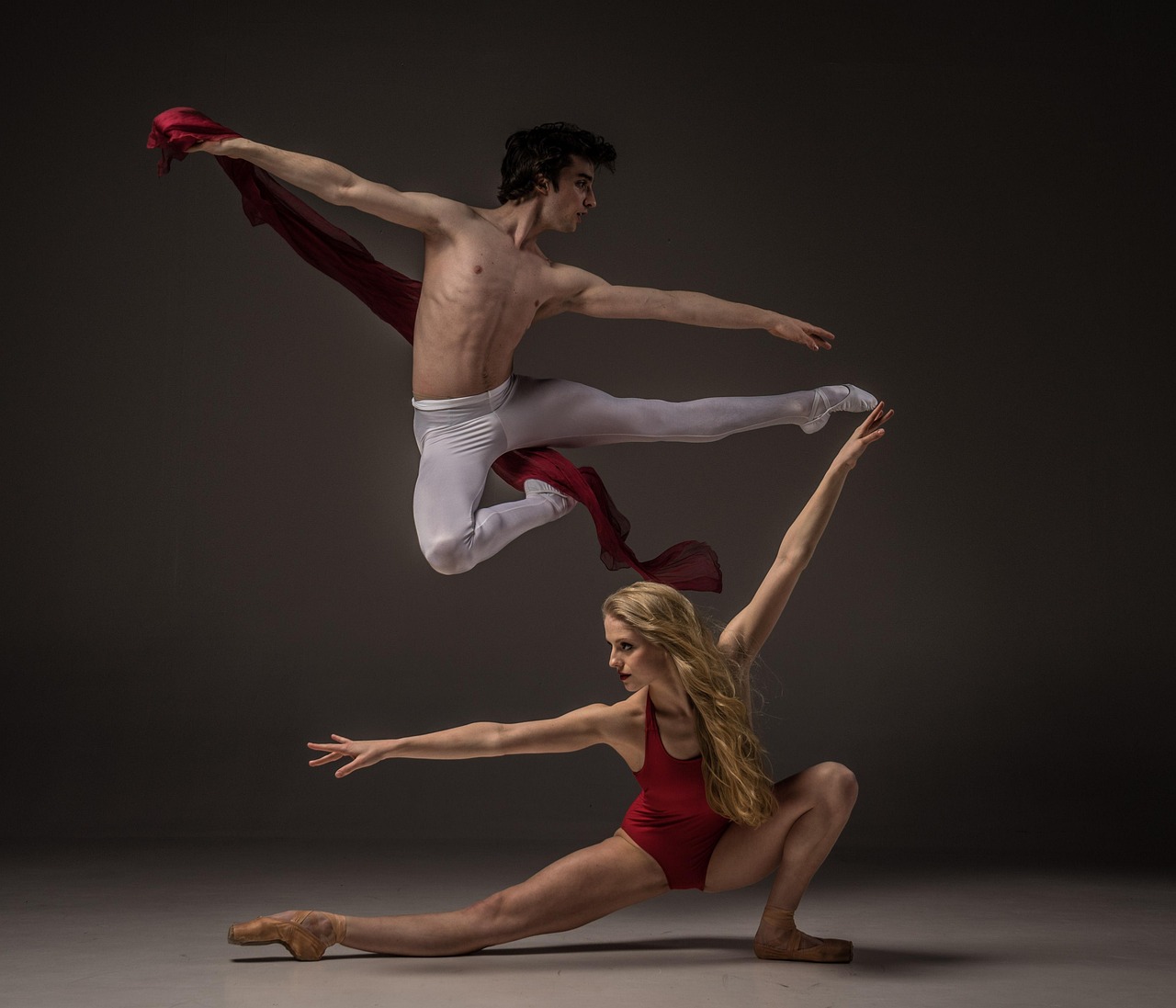

Pilates Challenge: Improve Coordination and Agility
Pilates is an excellent way to improve one’s coordination and agility. This unique form of exercise helps develop core strength and flexibility. When practicing various Pilates challenges, individuals can enhance their body awareness and establish better control over their movements. Pilates focuses not just on building strength but also on balancing the body, making it essential for agility. The combination of breath and movement engages both mind and body. By incorporating specific Pilates challenges into your fitness routine, you can experience these benefits. From mat exercises to equipment-based routines, there are numerous options. Many exercises are designed to work multiple muscle groups, which helps in honing coordination skills. A consistent Pilates practice leads to improved posture and alignment. Better alignment means less chance of injury and more efficient movement patterns. Additionally, Pilates encourages mindfulness through focused breathing. Practicing Pilates can also decrease tension and stress, improving overall wellness. Joining classes or following online tutorials can provide guidance and support. This structure is especially useful for beginners. Overall, a guided approach to Pilates challenges can remarkably improve coordination and agility.
Principles of Pilates and Their Impact
To fully benefit from Pilates, understanding its core principles is crucial. Joseph Pilates founded this regimen with six foundational principles: concentration, control, center, flow, precision, and breathing. Concentration focuses on the mind’s connection to the body, enhancing motor skills. Control ensures movements are deliberate and responsible. Center emphasizes the core, where strength originates. Flow encourages fluidity in practice, promoting seamless transitions between exercises. Precision involves executing movements correctly to avoid injury and maximize benefits. Lastly, breathing is fundamental; it helps facilitate movement and provides energy. The implementation of these principles leads to increased awareness of body mechanics. This awareness translates to improved coordination and agility during physical activities. For instance, during exercises like the Hundred or Leg Circles, participants must coordinate arm and leg movements efficiently. These activities enhance neuromuscular connections, fostering better muscle memory and responsiveness. As you practice, your reflexes will improve, and that can significantly impact daily life. Whether you’re an Olympic athlete or a casual gym-goer, Pilates offers invaluable benefits. Engaging consistently in Pilates challenges will help develop an agile, well-coordinated body that functions effectively.
Pilates challenges also encourage endurance, vital for both athletic performance and daily living. Engaging in lengthy Pilates routines can build stamina over time. Traditionally, Pilates exercises incorporate breath control; this control helps sustain energy output. As your body becomes accustomed to these routines, you’ll notice your endurance increasing. Exercises such as the Plank or Side Plank demand time and persistence. Engaging in these increasingly challenging poses, you’ll find you can maintain them longer without fatigue. This newfound capability not only improves muscle strength but also enhances overall performance during other fitness activities. As you build endurance, your coordination becomes naturally refined. Your body learns to work as a cohesive unit, resulting in smoother gestures and movements. Additionally, mental endurance plays a significant role in mastering prolonged sequences of movements. Pilates cultivates this mental focus while fostering resilience against fatigue. Practicing under instruction or through online classes can make the journey easier for beginners or seasoned practitioners. This method of practice promotes safer and more effective training sessions. Ultimately, as you engage in Pilates challenges consistently, expect significant developments in both your physical and mental endurance capabilities.
The Role of Flexibility in Coordination
Flexibility is a vital aspect of overall fitness and plays an essential role in coordination. When your muscles can stretch and move through their full range of motion, you can perform movements more efficiently. Pilates exercises inherently promote flexibility, which translates into enhanced coordination. The method includes stretches, such as the Spine Stretch or the Saw, that enable muscles to extend and contract beneficially. As flexibility improves, tight muscles release tension, leading to more fluid movements. Moreover, enhancing flexibility reduces the risk of injury during various activities. When muscles and joints are limber, they can absorb stress, allowing for smoother motion transitions. This is especially true when transitioning between different exercises in Pilates routines. When flexibility and coordination work together, movements become more graceful and precise. Additionally, the combination of focused breathing and careful alignment allows for increased awareness. This awareness is imperative when performing complex sequences that require high levels of coordination. Over time, integrating flexibility-focused Pilates challenges can lead to remarkable improvements. Individuals embarking on this journey will discover newfound ease in both Pilates and activities that require intricate coordination.
To further engage in Pilates challenges, consider goal setting as a motivational tool. Clear objectives drive individuals to push beyond their limits. Setting specific, measurable goals related to flexibility or coordination can greatly enhance your Pilates practice. These goals can provide direction, ensuring you stay committed to improvement. For instance, aiming to hold a particular posture longer or achieve a certain number of repetitions can fuel motivation. Tracking your progress through personal logs or fitness journals allows you to visualize your growth. Additionally, sharing your goals with a community can lend accountability; friends or instructors can offer invaluable support. When engaging in Pilates, it’s beneficial to introduce variety to your routine to keep things fresh. Through varied challenges, individuals remain motivated while continuing to enhance skills. Incorporate new movements regularly, targeting specific muscle groups in innovative ways. This not only prevents boredom but improves overall adaptability. A blend of creativity and structured practice results in measurable improvements in coordination. Ultimately, maintaining a dynamic and focused Pilates journey will foster those desired agility and body awareness improvements that ultimately enhance performance.
Nutrition’s Impact on Performance
Nourishing the body appropriately plays an indispensable role in supporting physical performance during Pilates challenges. A balanced diet filled with wholesome carbohydrates, healthy fats, and adequate protein is crucial. Each meal should promote optimal energy levels and facilitate recovery post-exercise. Proper nutrition ensures that muscle repair is efficient, allowing individuals to perform consistently. Furthermore, hydrating adequately contributes significantly to overall performance. Water supports muscle functions and prevents fatigue, enabling efficiency during Pilates sessions. Consuming a nutrition-rich pre-workout snack can aid in maintaining energy and focus. Options like bananas or protein bars provide essential nutrients without weighing you down. Post-workout meals should be protein-heavy to support muscle growth and repair. Foods such as Greek yogurt or lean meats can be beneficial. Moreover, including colorful fruits and vegetables enriches the diet with antioxidants, helping the body combat oxidative stress generated during workouts. Adequate nutrition also fosters mental clarity crucial for executing Pilates routines accurately. Practicing awareness extends beyond the mat, influencing daily decisions that support healthy living. Incorporating these dietary habits alongside Pilates challenges creates a holistic approach for improving coordination and agility.
Finally, rest and recovery are essential components when engaging in Pilates challenges. The body requires time to heal and adapt after workouts. Evaluating how your body responds to exercises aids in structuring your rest days. It is paramount to prioritize sleep quality, as this significantly influences physical performance. Quality sleep promotes muscle repair and strengthens coordination through improved neuromuscular communication. Techniques such as foam rolling and stretching can facilitate recovery, mitigating soreness. Restorative activities, such as yoga or leisure walks, can also prove beneficial during recovery periods. Listen to your body to determine when to push through discomfort and when to rest further. Incorporating recovery strategies throughout your Pilates journey ensures that you continue to make progress without risking overtraining. As the body rejuvenates, coordination and agility flourish, allowing for greater enjoyment of the practice. Ultimately, understanding the balance between exertion and recovery leads to long-term success. Thus, embracing a holistic fitness approach encompassing Pilates, nutrition, and rest will yield transformative improvements in coordination and agility.
By participating in Pilates challenges, individuals not only work on their physical capabilities but also foster a deep mind-body connection. This path leads to a plethora of benefits, extending beyond mere agility and coordination. Engaging in regular practice cultivates discipline, enhancing motivation in pursuing fitness goals. Additionally, the supportive atmosphere in Pilates communities encourages individuals to share their journeys. This camaraderie boosts morale and complements physical progress. Whether you are a beginner or advanced practitioner, enlisting in classes or practice groups can provide sustained motivation. By continuing on this journey, participants learn how to set realistic goals and attain them through consistent effort. As improvements become evident, motivation and confidence naturally increase, inspiring even greater challenges. Staying committed through the ups and downs of the practice journey fosters resilience and growth. Furthermore, remember to celebrate small victories, as they add value to the overall experience. Continuous improvement is the essence of personal growth in fitness. Therefore, recognize each successful attempt, regardless of how minor. This affirmation reinforces positive behavior changes. By embracing Pilates challenges wholeheartedly, individuals can transform their bodies and minds effectively.